Cosmetics Insights & Industry Trends

Beauty Knowledge.
Global Standards.

Formulation & Innovation

Visionary Vogue.
Cosmetic Science.

Colour Cosmetics & Private Label

Formulation Insights.
Expert Advice.

Halal Certified — Global Standards

Pure Beauty.
Expert Manufacturing.

01 / 04

Blog

How to Find a Private Label Lipstick Manufacturer in 2026

How to Find a Private Label Lipstick Manufacturer in 2026

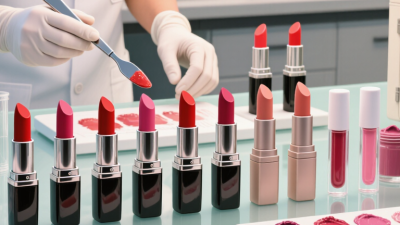
Finding the right lipstick partner in 2026 takes more than comparing glossy catalogs. A smooth red sample can look convincing under studio lights, then feel dry or uneven after several hours. Details matter. The best search starts with your product brief: finish, wear time, shade range, target price, packaging, and expected order volume. Clear priorities help you ask useful questions and spot vague answers. Private Label Lipstick Manufacturing covers much more than putting a brand name on a tube. Ask how the manufacturer develops and adjusts formulas, manages shade consistency, tests product stability, and checks finished batches. Request samples in your intended packaging, not only in a lab pot. Review minimum order quantities, sample fees, production timelines, and how changes affect cost. A factory’s experience with similar products can be valuable, but it is not proof that every detail will meet your needs. Look for transparent communication and documentation you can verify. Ask what quality procedures the supplier follows and which product records it can provide. Confirm that ingredient, labeling, and safety requirements are reviewed for the markets where you plan to sell; consult qualified specialists when needed. Compare more than the lowest quote. A delayed response or unclear revision process may matter as much as a price difference. No supplier is perfect, and a sample can still disappoint after production begins. A careful shortlist, written specifications, and a small, well-documented trial order can reduce avoidable surprises before you commit to a larger run.
Read more »
Clara By:Clara - October 30, 2026
How to Choose an OEM Color Cosmetics Factory in 2026?

How to Choose an OEM Color Cosmetics Factory in 2026?

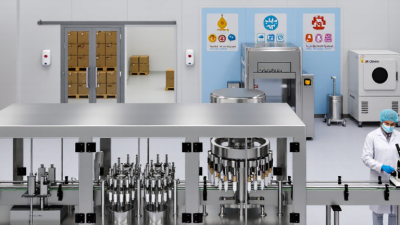
Choosing an OEM Color Cosmetics Factory in 2026 requires more than comparing prices. Your partner must protect product quality, brand credibility, and customer safety. Randy Schueller, a cosmetic chemist and co-founder of The Beauty Brains, states, “There is no such thing as a natural cosmetic.” This reminder matters when factories promote clean, organic, or plant-based formulas. Responsible buyers should request ingredient specifications, stability data, microbial testing, and clear explanations for every marketing claim. Attractive packaging cannot replace technical evidence. Walk through the factory, even virtually. Look for clean filling rooms, controlled storage, calibrated equipment, and documented batch records. Ask how the factory manages color consistency across production runs. A lipstick should match its approved sample under real lighting, not only inside a showroom. Request samples from different batches. Small differences can reveal weak process control. Check the factory’s experience with your product category. Powder, cream, liquid, and long-wear formulas require different equipment and testing methods. Confirm its quality system, trained staff, supplier controls, and export documentation. Certifications can support trust, but they should never end the investigation. Ask difficult questions. Listen carefully. A factory may provide polished answers and still lack practical discipline. I have seen supplier presentations look impressive while their timelines remain vague. That is a warning, not a minor inconvenience. The right OEM Color Cosmetics Factory should explain limitations honestly, offer realistic development milestones, and document corrective actions when problems appear. In 2026, strong partnerships will depend on traceability, formulation expertise, regulatory awareness, and communication. Choose evidence over promises. Your brand deserves both.
Read more »
Clara By:Clara - October 25, 2026
How to Choose a Cosmetic Private Label Supplier in China?

How to Choose a Cosmetic Private Label Supplier in China?

Choosing a Cosmetic Private Label Supplier in China requires more than comparing prices and product catalogs. A reliable partner should combine technical knowledge, transparent communication, and documented quality controls. The right supplier can support formulation, packaging, testing, and production without compromising product safety. Begin by examining manufacturing qualifications and practical evidence. Ask for current certifications, such as ISO 22716, and verify whether they match the actual factory address. Review ingredient specifications, INCI names, batch records, Certificates of Analysis, and stability-testing procedures. A polished website is not enough. Request samples from the proposed production line. Check their texture, scent, color, filling accuracy, and packaging quality under normal storage conditions. Small details matter. Supplier visits, video audits, and independent inspections can reveal important differences. Look at warehouse cleanliness, raw-material labeling, water-treatment systems, and production traceability. Discuss minimum order quantities, lead times, formula ownership, payment terms, and corrective actions before signing an agreement. These conversations often expose whether a supplier understands international cosmetic compliance or simply repeats sales language. No supplier is perfect. One sample may perform well while its pump leaks after repeated use. A formula may need adjustment because climate, packaging, or shipping conditions change its behavior. That is not always a failure, but it demands honest cooperation and documented solutions. Strong suppliers welcome testing, explain limitations, and communicate delays early. They also help buyers prepare responsible product claims and market-specific documentation. Careful selection protects consumers, strengthens brand credibility, and creates a more dependable path from concept to finished product.
Read more »
Clara By:Clara - October 15, 2026
7 Custom Makeup Formulation Tips for Global Buyers

7 Custom Makeup Formulation Tips for Global Buyers

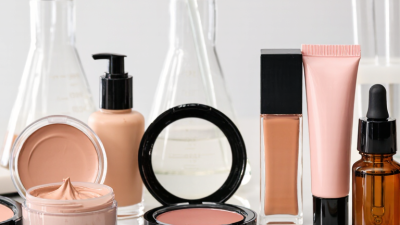
Global beauty buyers are demanding products that feel personal, perform consistently, and meet local expectations. Custom Makeup Formulation responds to that shift, but customization involves more than choosing a shade or adding a logo. It requires controlled decisions about pigments, textures, preservatives, packaging, claims, and market-specific compliance. McKinsey’s 2023 beauty report projected the global beauty market could reach approximately $580 billion by 2027. The report also identified personalization and premium product experiences as important growth drivers. Grand View Research has similarly reported continued expansion in color cosmetics, supported by online discovery and changing consumer preferences. These figures indicate opportunity, not guaranteed success. A beautiful prototype can still fail during stability testing, transport, or regional review. Cosmetic chemist Kelly Dobos describes formulation as “part science, part art, and part detective work.” That perspective matters for international buyers. A foundation may separate after temperature cycling. A cream blush may lose payoff under different filling conditions. A botanical extract may create an avoidable documentation problem. Small details become expensive quickly. This guide presents seven practical tips for Custom Makeup Formulation, from defining the target user to verifying performance, packaging compatibility, and regulatory documentation. Each tip supports clearer communication between buyers, formulators, manufacturers, and quality teams. However, no formula is perfect on paper. Testing must challenge assumptions, especially when products will cross climates, supply chains, and consumer habits. Careful buyers should ask uncomfortable questions early, even when the sample looks flawless.
Read more »
Evelyn By:Evelyn - October 10, 2026
How to Choose a Halal Beauty Product Manufacturer

How to Choose a Halal Beauty Product Manufacturer

Choosing the right halal beauty product manufacturer requires more than attractive packaging or a low quotation. It requires evidence. A reliable partner should explain its Halal Beauty Product Manufacturing process, ingredient controls, and certification status clearly. Ask for current certificates, accredited issuing bodies, and renewal dates. Request supplier declarations for collagen, glycerin, beeswax, fragrance compounds, and other animal-derived materials. Some ingredients appear harmless but may have complex origins. That detail matters. Visit the facility when possible. Observe separated storage areas, clean filling lines, labeled containers, and documented sanitation procedures. Review batch records, testing methods, product stability data, and complaint-handling systems. Good manufacturers also follow recognized quality practices, such as GMP, while meeting the regulations of the target market. Their technical team should understand formulation, packaging compatibility, microbiological testing, and halal requirements together. One certificate is not enough. Ask difficult questions. See how the team responds. A dependable manufacturer will not hide limitations or promise impossible timelines. It should provide realistic minimum order quantities, transparent development costs, sample approval steps, and traceable production records. Confirm whether the same equipment serves non-halal products, and understand the cleansing procedure between batches. Details can become risks. Experience still matters. A manufacturer that has handled sensitive skincare products may prevent costly formulation mistakes. Yet experience alone does not guarantee integrity. Verify references, inspect documents, and compare answers across departments. The perfect partner may not exist. Careful evaluation usually reveals the most responsible one.
Read more »
Clara By:Clara - October 5, 2026
2026 Top Contract Cosmetics Manufacturers Worldwide?

2026 Top Contract Cosmetics Manufacturers Worldwide?

Choosing among the 2026 top contract cosmetics manufacturers worldwide requires more than comparing glossy websites. A capable partner must combine formulation science, controlled production, transparent sourcing, and reliable communication. This is where Contract Cosmetics Manufacturing becomes a practical growth strategy for skincare, haircare, body care, and color cosmetics brands. The strongest manufacturers usually offer private-label support, custom formulation, stability testing, packaging coordination, and scalable batch production. Their facilities should demonstrate suitable quality systems, documented sanitation procedures, trained technical teams, and compliance with applicable cosmetic regulations. A factory visit can reveal important details, such as cleanroom controls, labeled raw-material storage, calibrated filling equipment, and traceable batch records. However, “top” is not a universal label. A startup may value low minimum order quantities, while an established brand may prioritize global capacity and complex formula development. Production speed also deserves careful review. Fast delivery can be attractive, but rushed testing may create unnecessary risk. Not every manufacturer publishes complete information, and public certifications may require independent verification. This guide evaluates manufacturers through practical criteria, including experience, technical capability, quality assurance, regulatory support, sustainability practices, and customer feedback. It also considers less visible factors, such as response time when a sample fails, clarity in pricing, and willingness to explain limitations. Some comparisons will remain imperfect because company data changes during 2026. That uncertainty should be acknowledged, not hidden. For brand owners, the right partner is rarely the largest factory. It is the manufacturer that can consistently turn a well-defined product brief into a safe, compliant, and market-ready product. Reliability matters. Capability must be proven.
Read more »
Evelyn By:Evelyn - September 30, 2026
7 Best Custom Perfumery Manufacturing Companies?

7 Best Custom Perfumery Manufacturing Companies?

The global fragrance market is expanding, but growth does not guarantee quality. Grand View Research valued the market at approximately USD 50.85 billion in 2023. Its report projects continued growth through 2030, supported by premium products, personalization, and online discovery. Circana also reported a 12% increase in U.S. prestige fragrance sales during 2023. These figures explain why brands are seeking capable Custom Perfumery Manufacturing partners. The best manufacturers offer more than attractive bottles. They develop stable formulas, document ingredients, manage small or large production runs, and support responsible regulatory compliance. IFRA Standards remain important because they guide safe fragrance use across product categories. Euromonitor International has also identified personalization and premiumization as major beauty trends. Still, trend reports cannot test a supplier’s filling line or inspect a laboratory. Practical verification matters. Michael Edwards, a respected fragrance author and industry educator, has described perfume as “liquid emotion.” That idea matters during product development. A successful scent should feel distinctive on skin, not merely impressive on a sample strip. This guide compares seven leading companies through formulation expertise, manufacturing capacity, quality systems, packaging support, minimum order quantities, and communication. Some judgments remain subjective. A supplier may excel with niche launches but struggle with global scale. Another may offer strong technology but less creative guidance. Those differences deserve attention before signing a manufacturing agreement.
Read more »
Clara By:Clara - September 20, 2026
How to Choose a Private Label Cosmetic Manufacturer?

How to Choose a Private Label Cosmetic Manufacturer?

Choosing a private label cosmetic manufacturer is not simply a matter of comparing prices. It is a decision about formulation quality, product safety, communication, and long-term reliability. A glossy website may show spotless laboratories, polished bottles, and smiling technicians. Those details help, but they do not prove manufacturing competence. You need stronger evidence. Private Label Cosmetic Manufacturing should begin with clear questions. Can the manufacturer explain its ingredient sourcing? Does it provide batch records, stability testing, and microbiological results? Are its production areas clean, controlled, and suitable for your product category? Ask to review quality procedures, sample documentation, packaging specifications, and production timelines. If answers remain vague, pause. Dr. Michelle Wong, a cosmetic science communicator and educator, often reminds consumers, “Natural doesn’t mean safe.” Her statement matters when evaluating manufacturers that promote botanical or “clean” formulas. Natural extracts still require proper preservation, compatibility testing, and safety assessment. A manufacturer should explain those steps without hiding behind attractive marketing language. Experience also matters. Request product samples, but inspect more than texture and fragrance. Check the label, closure, filling consistency, and how the formula changes after several weeks. Speak with current clients if possible. A factory may meet expectations for a simple lotion but struggle with an airless pump or an unstable vitamin C serum. That distinction is easy to miss. The perfect partner may not exist. Even a capable manufacturer can have delays, minimum order limits, or communication gaps. The goal is not to remove every risk. It is to identify manageable risks before signing an agreement, then build a transparent working relationship around them.
Read more »
Evelyn By:Evelyn - September 11, 2026
Top Color Cosmetics ODM Manufacturer for Global Brands?

Top Color Cosmetics ODM Manufacturer for Global Brands?

Choosing a top Color Cosmetics ODM Manufacturer involves more than comparing product catalogs and factory photos. Global brands need reliable formulation, shade development, packaging coordination, and quality systems. A capable partner turns a brief into a stable lipstick, foundation, blush, or mascara. The process should feel practical. Samples must match approved standards under different lighting, not only on a screen. Small details matter, including cap fit, pigment dispersion, scent, texture, and fill weight. They often reveal manufacturing discipline. Real experience appears in the questions a manufacturer asks. Does the team understand your target market, skin concerns, price range, and launch schedule? Can it explain ingredient choices without vague promises? Strong partners provide testing records, traceable batch information, stability data, and clear production timelines. Brands should also review facility controls, quality procedures, and regulatory support for each intended market. Requirements differ across regions. Responsible cooperation respects those differences. No supplier is perfect. A first sample may miss the requested undertone or feel too dry after application. That is not always failure. It can expose gaps in the brief, testing method, or communication process. The better question is how quickly and transparently the team responds. A dependable ODM partner welcomes controlled revisions, records changes, and protects approved specifications. Look beyond attractive presentations. Examine evidence, consistency, and accountability. Trust is built in ordinary moments, such as an accurate shade card, a secure carton, or a batch delivered on time.
Read more »
Evelyn By:Evelyn - September 11, 2026
2026 Top Halal Cosmetics OEM Manufacturers?

2026 Top Halal Cosmetics OEM Manufacturers?

The 2026 Top Halal Cosmetics OEM Manufacturers? This question deserves more than a polished supplier list. Halal beauty now reaches beyond ingredient screening. It includes sourcing, production hygiene, storage, packaging, and transparent certification records. A capable Halal Cosmetics OEM Manufacturer should explain each step clearly. Dr. Javaid Siddiqui, a recognized halal certification specialist, said, “Halal is not only about ingredients; it is also about process, hygiene, and trust.” His point remains practical for brands entering competitive skincare and personal-care markets. A manufacturer may offer elegant formulas, fast sampling, and attractive minimum orders. Yet these advantages mean little without traceable raw materials and reliable quality controls. Details matter. This guide examines manufacturers through a more careful lens. It considers certification status, laboratory testing, formulation experience, packaging capability, export readiness, and communication standards. It also asks uncomfortable questions. Can the supplier verify every high-risk ingredient? Does its documentation match actual factory practice? Are halal claims supported by recognized authorities, rather than vague marketing language? The strongest companies may not always be the cheapest. They may also refuse unrealistic launch timelines. That can frustrate new brands, but it often signals responsible production. Still, no supplier is perfect. Certifications expire, regulations change, and supply chains can shift unexpectedly. Buyers must conduct independent checks before signing contracts or approving a formula. This introduction prepares readers to compare leading 2026 candidates with evidence, not hype. The goal is practical confidence: cleaner decisions, clearer questions, and fewer unpleasant surprises after production begins.
Read more »
Evelyn By:Evelyn - September 11, 2026