Choosing an OEM Skincare Formulation partner in 2026 takes more than comparing prices or reviewing attractive product samples. The right manufacturer should explain how an idea moves from brief to formula, testing, production, and delivery. Ask to see practical evidence: sample-development timelines, batch records, quality procedures, and examples of stability data. Details matter. A cream that feels elegant in a jar may behave differently in a pump bottle or after months in storage.
Look for a team that can discuss ingredients, texture, packaging compatibility, and production limits in clear terms. Ask how it handles formula revisions, minimum order quantities, and unexpected delays. Request written specifications and confirm which testing or documentation is included in the quoted service. Good answers should be specific, not simply reassuring. If a partner cannot explain a process, pause and ask again. I would also leave room for a little uncertainty: early samples rarely predict every production challenge. A thoughtful partner will acknowledge that and describe how issues are investigated, documented, and resolved. The best fit is not always the largest factory. It is the one whose capabilities, communication, and quality controls match your product and business needs.
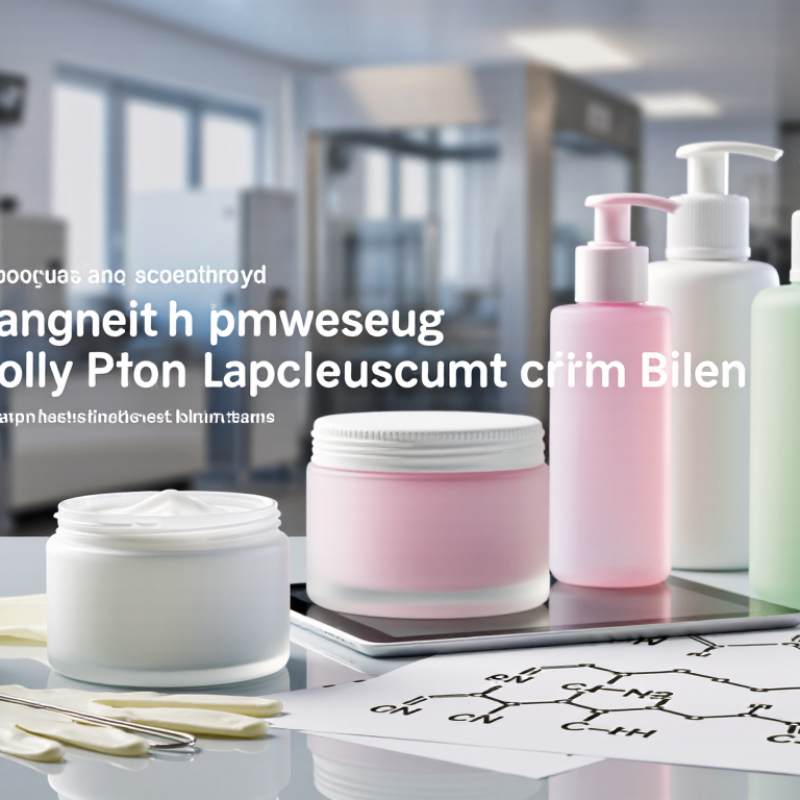
Before contacting an OEM skincare formulation partner, turn the product idea into a practical brief. Define the intended user, skin concern, product format, target price, and preferred texture. Is the cream meant to absorb quickly under makeup, or leave a richer finish overnight? Small details matter.
McKinsey’s 2023 beauty-market analysis estimated the sector at about $430 billion and projected roughly 6% annual growth through 2027. That growth signals opportunity, but it also makes clear product differentiation matters. A vague “hydrating and clean” brief gives formulators little to test.
Specify measurable requirements where possible: target pH range, fragrance preference, key ingredient exclusions, packaging type, and desired shelf life. Identify the markets where the product will be sold, since ingredient and labeling expectations vary.
Ask the partner how they will assess stability, preservation, and packaging compatibility; a formula that separates in a warm bathroom is not ready for launch. Texture is not trivial. Also document the claims you want to make, then ask what evidence would support them. Avoid promising outcomes before testing.
A brief can seem complete and still miss a crucial detail: how should the product feel after ten minutes? Leave room for expert input, too. Your first version may be too restrictive, and that is worth reviewing.
Choosing an OEM skincare formulation partner in 2026 takes more than reviewing a sample jar. Ask how the team turns a brief into a stable formula, and who evaluates texture, pH, preservation, and packaging compatibility. Request relevant test summaries and clear explanations of their limits. A serum that looks smooth on day one may separate after repeated temperature changes. Ask what happened during testing, not only what passed. A polished presentation can still leave gaps.
Tips: Check whether ingredient specifications and certificates of analysis are available for each batch. Ask how suppliers are qualified, substitutions are approved, and formula changes are recorded. Confirm that manufacturing and quality processes match the requirements of your intended markets. Keep answers in writing.
Ingredient standards should be specific. Discuss fragrance, allergens, sourcing, and the purpose of key actives. Request traceability records and ask how the partner handles an out-of-specification lot. Expertise also shows in honest trade-offs: a requested botanical extract may affect color, odor, or stability. No partner can remove every uncertainty. Compare their evidence, communication, and follow-through, then decide whether the remaining risks fit your product plan.
| Assessment Area | What to Evaluate | Evidence to Request | Warning Signs | Priority |
|---|---|---|---|---|
| Formulation Expertise | Experience with the intended product type, such as a leave-on cream, cleanser, sunscreen, or anhydrous balm. Ask how the team approaches texture, stability, packaging compatibility, and manufacturing scale-up. | Relevant, non-confidential project examples; formulation development workflow; proposed testing plan; and clear identification of who owns formula development and technical decisions. | Promises of a finished formula without defining the brief, intended use, target markets, packaging, or testing needs. | High |
| Regulatory Market Knowledge | Ability to identify the requirements for each intended sales market. Requirements differ by jurisdiction and may cover product safety, labeling, ingredient restrictions, facility responsibilities, and product records. | A market-specific compliance checklist and a written explanation of which tasks the manufacturer performs and which remain the brand owner’s responsibility. | Claims that one certificate or a single formula automatically makes a product compliant worldwide. | High |
| U.S. Cosmetics Compliance | Familiarity with applicable U.S. cosmetic requirements, including relevant provisions of the Modernization of Cosmetics Regulation Act (MoCRA). Some products, such as products marketed as both cosmetics and drugs, may have additional requirements. | Documented processes for applicable facility registration and product listing support, safety substantiation records, adverse-event handling, and label review, as relevant to the project. | Assurances that FDA “approval” is available for ordinary cosmetic products, or no clear process for safety records and serious adverse-event escalation. | High |
| EU and Other Export Markets | For EU sales, check the partner’s understanding of Regulation (EC) No 1223/2009, including the Responsible Person, Product Information File, safety assessment, and notification obligations where applicable. | Defined support for supplying product and manufacturing information needed by the responsible regulatory parties, plus market-specific labeling and ingredient review. | Assuming that a U.S. compliance review, an ingredient supplier’s document, or a generic certificate replaces market-specific obligations. | High |
| Quality Management and GMP | Assess documented controls for raw-material receipt, production, hygiene, batch records, deviations, corrective actions, and product release. ISO 22716 is a widely used cosmetics GMP guideline; verify the actual scope and status of any claimed certification. | Current quality-system overview, relevant audit or certification scope, sample batch documentation, and procedures for handling nonconforming product and complaints. | Use of “GMP compliant” as an unsupported claim, or refusal to explain how batches are traced and released. | High |
| Ingredient Quality and Traceability | Check whether ingredient specifications, supplier qualification, batch identification, and change control are in place. Ask how the partner evaluates ingredient identity, quality, and suitability for the finished product. | Representative specifications and certificates of analysis, supplier qualification procedures, lot-traceability examples, and a process for notifying customers of material changes. | Ingredients described only by marketing names, missing lot records, or substitutions made without documented review and approval. | High |
| Ingredient Restrictions and Claims | Review the complete ingredient list against the intended markets and product use. Substantiate claims such as “fragrance-free,” “hypoallergenic,” “natural,” or “non-comedogenic” rather than relying on assumptions. | Current formulation ingredient list using appropriate ingredient names, market-specific screening, and evidence supporting proposed product claims. | Guarantees that a claim is legally safe or universally accepted without considering wording, evidence, and market rules. | High |
| Safety and Product Testing | Agree on tests appropriate to the formula, packaging, intended use, and risk profile. Potential evaluations include stability, packaging compatibility, and microbiological quality; preservative efficacy testing may be relevant for water-containing products. | A written testing protocol with sample requirements, acceptance criteria, responsibility for costs, and a plan for addressing failed results. | Claims that every formula needs the same tests, or promises of shelf life without supporting data. | High |
| Scale-Up and Manufacturing Controls | Determine whether the partner can move from laboratory samples to the required batch size while controlling mixing, temperature, processing time, and filling conditions as appropriate. | Scale-up plan, proposed batch sizes, equipment capability, in-process controls, and quality checks for finished goods. | Unexplained changes in texture, appearance, or process between samples and production, with no documented investigation. | Medium |
| Documentation and Change Control | Clarify how formula versions, specifications, packaging details, and approved claims are recorded and controlled throughout development and production. | Document list, version-control process, approval checkpoints, change-notification procedure, and agreed access to project records. | Unrecorded formula changes or uncertainty about which version was tested, approved, or manufactured. | High |
| Commercial Terms and Intellectual Property | Understand development fees, minimum order quantities, lead times, exclusivity, ownership or licensing of custom formulas, and what happens to project materials if the relationship ends. | Written quotations and agreement terms that define deliverables, payment milestones, confidentiality, formula rights, and termination or transfer conditions. | Verbal assurances that conflict with the written contract, or unclear ownership and usage rights for a custom-developed formula. | Medium |
| Communication and Project Management | Evaluate response times, technical clarity, escalation routes, and the ability to provide realistic schedules for sampling, testing, and production. | Named project contacts, milestone schedule, meeting or update cadence, and a documented process for handling delays or quality issues. | Unrealistic delivery promises or difficulty obtaining clear answers to technical and compliance questions. | Medium |
When choosing an OEM skincare formulation partner in 2026, inspect the testing behind its production claims. McKinsey projected the global beauty market could reach $580 billion by 2027, with roughly 6% annual growth. That expansion makes dependable manufacturing capacity important, but growth alone proves little about a supplier’s quality systems.
Ask to review equipment lists, batch records, and pilot-run results. Can the facility control mixing temperature and speed? Are pH and viscosity checked against written specifications? Look closely. Request stability data from real-time and accelerated studies, plus packaging compatibility results. Microbial testing should match the product’s formulation and intended use. A certificate of analysis is useful, but it does not replace the underlying test methods, acceptance limits, and dated results. ISO 22716 offers a recognized framework for cosmetic good manufacturing practices; ask how the site applies it day to day.
Quality is visible in small details. Check whether sample jars, retain samples, and production batches are clearly identified. Review how the partner documents deviations and investigates out-of-specification results. A polished audit file can still leave practical gaps. Ask who approves formula or supplier changes, and how you will be notified. If testing is outsourced, clarify laboratory qualifications, turnaround times, and access to full reports. A sample may look perfect. The process must be repeatable.
Choosing an OEM skincare formulation partner in 2026 means evaluating how the team works, not just reviewing a sample jar. Ask who answers technical questions, how quickly they respond, and whether one project lead stays responsible from brief to pilot. Small details matter. A useful reply should explain ingredient constraints, testing assumptions, and what information is still missing. If answers sound like polished sales promises, request a written follow-up with names, dates, and decisions.
Timelines need milestones, not just a launch date. Request dates for formula review, stability work, packaging compatibility, sample revisions, and production readiness. Then ask what could move each date. A delayed pump component or extra texture revision can affect the schedule more than an early estimate suggests. Compare quotes line by line: development fees, minimum order quantities, testing, packaging, freight, and formula-change charges. The cheapest quote may omit work you assumed was included. Easy to miss.
Ownership terms deserve equal scrutiny. Ask whether you own the final formula, receive an exclusive license, or can reorder only through the manufacturer. Clarify access to formula records, raw-material specifications, and transfer support if production moves. Put the agreed terms in writing. I would not assume “custom” means transferable; the wording can be surprisingly narrow. A comparison sheet can help track response times, milestone dates, itemized costs, and ownership rights side by side.
In 2026, choosing an OEM skincare formulation partner starts with evidence, not polished sales claims. Ask for current certificates and confirm their scope, site, and expiry dates. A certificate is useful, but it does not prove that every process suits your product. Review the facility’s quality procedures, batch records, ingredient traceability, and staff qualifications. Ask how stability, packaging compatibility, and microbiological testing are handled. Check the details. A clear answer should include who performs each test and how results are documented.
Tips: Request a sample batch record with confidential details removed. Ask for recent, relevant client references and permission to speak with them. Clarify minimum order quantities, development fees, lead times, and who owns the formula. Compare written answers, not just verbal assurances.
The best-fit partner should match your formula’s complexity, launch volume, and working style. A small pilot run can reveal practical issues, such as a lotion filling unevenly or a pump dispensing too much. Discuss how changes are approved and how delays are communicated. Even a strong process can miss an awkward handoff; that is worth discussing before production. No checklist catches everything. A thoughtful review of credentials, test methods, and day-to-day communication helps you judge whether the partner can deliver consistently.
Define the intended user, skin concern, product format, target price, and preferred texture. Specify pH range, fragrance, ingredient exclusions, packaging, and shelf life. Describe whether the cream should feel light under makeup or richer overnight. Your first brief may still miss something.
Texture affects daily use. Explain how quickly the product should absorb and how it should feel after ten minutes. A vague “hydrating” direction gives formulators little to test. Try it, then revise.
List your intended claims early and ask what evidence could support them. Avoid promising results before testing. A confident phrase may sound good, but it can outrun the available evidence.
Request stability studies, packaging compatibility results, and microbial testing suited to the formula and its intended use. Ask for methods, acceptance limits, and dated reports, not just a certificate. A sample can look perfect. Repeatability matters.
Review equipment, batch records, and pilot results. Check written controls for mixing temperature, speed, pH, and viscosity. Ask how deviations and out-of-specification results are investigated. Look closely. Find out who approves changes.
Request current certificates and confirm their scope, site, and expiry date. Review ingredient traceability, staff qualifications, and quality procedures. A certificate helps, but it does not prove every process suits your product.
Clarify minimum order quantities, development fees, lead times, and formula ownership. Ask how formula or supplier changes are approved and communicated. Verbal assurances are easy to forget.
Match its capabilities to your formula’s complexity, launch volume, and working style. Request relevant references and a sample batch record with confidential details removed. A small pilot may reveal uneven lotion filling or a pump that dispenses too much. No checklist catches everything. Review handoffs too.
Choosing the right OEM Skincare Formulation partner in 2026 starts with clearly defining your product goals, target users, preferred ingredients, and performance expectations. With these requirements in place, assess each partner’s formulation expertise, ingredient standards, compliance practices, and ability to support your product concept. Ask about manufacturing capacity, quality-control procedures, and the testing used to evaluate product consistency and stability.
Before making a decision, compare communication practices, development timelines, pricing, and terms for formula and intellectual property ownership. Verify relevant credentials and review how the partner manages projects from initial development through production. A careful comparison helps you select an OEM partner whose capabilities, working style, and terms fit your needs, supporting a more organized and reliable path from concept to finished skincare product.