Cosmetics Insights & Industry Trends

Beauty Knowledge.
Global Standards.

Formulation & Innovation

Visionary Vogue.
Cosmetic Science.

Colour Cosmetics & Private Label

Formulation Insights.
Expert Advice.

Halal Certified — Global Standards

Pure Beauty.
Expert Manufacturing.

01 / 04
0%

Choosing a private label cosmetic manufacturer is not simply a matter of comparing prices. It is a decision about formulation quality, product safety, communication, and long-term reliability. A glossy website may show spotless laboratories, polished bottles, and smiling technicians. Those details help, but they do not prove manufacturing competence. You need stronger evidence.

Private Label Cosmetic Manufacturing should begin with clear questions. Can the manufacturer explain its ingredient sourcing? Does it provide batch records, stability testing, and microbiological results? Are its production areas clean, controlled, and suitable for your product category? Ask to review quality procedures, sample documentation, packaging specifications, and production timelines. If answers remain vague, pause.

Dr. Michelle Wong, a cosmetic science communicator and educator, often reminds consumers, “Natural doesn’t mean safe.” Her statement matters when evaluating manufacturers that promote botanical or “clean” formulas. Natural extracts still require proper preservation, compatibility testing, and safety assessment. A manufacturer should explain those steps without hiding behind attractive marketing language.

Experience also matters. Request product samples, but inspect more than texture and fragrance. Check the label, closure, filling consistency, and how the formula changes after several weeks. Speak with current clients if possible. A factory may meet expectations for a simple lotion but struggle with an airless pump or an unstable vitamin C serum. That distinction is easy to miss.

The perfect partner may not exist. Even a capable manufacturer can have delays, minimum order limits, or communication gaps. The goal is not to remove every risk. It is to identify manageable risks before signing an agreement, then build a transparent working relationship around them.
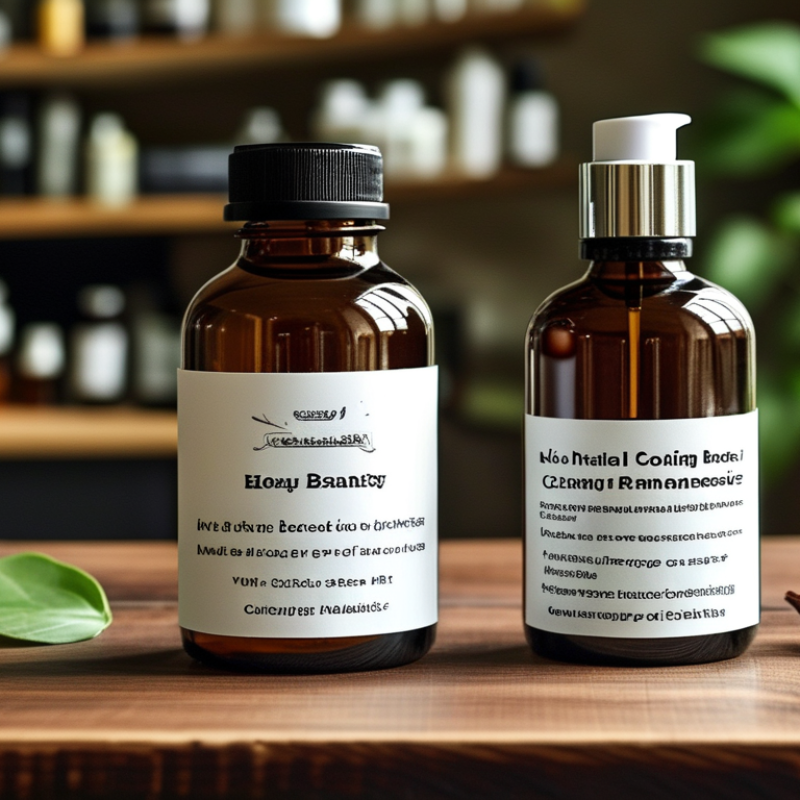
How to Choose a Private Label Cosmetic Manufacturer?

Assess Market Fit Using Grand View Research’s 2024 Cosmetics Forecast

How to Choose a Private Label Cosmetic Manufacturer?

Assess Market Fit Using Grand View Research’s 2024 Cosmetics Forecast

Grand View Research’s 2024 cosmetics forecast signals continued market expansion across skincare, haircare, makeup, and personal care. Use this outlook as a direction, not a guarantee. Compare its growth areas with your target customer’s habits, income, climate, and preferred shopping channels. A growing category may still be crowded or poorly matched to your audience.

Choose a manufacturer that can translate market evidence into safe, practical products. Ask for sample formulas, ingredient specifications, stability data, production timelines, and quality-control procedures. Verify whether the facility follows recognized manufacturing standards and supports compliant labeling. Discuss minimum order quantities early. A low unit cost means little if inventory sits for months. Test texture, scent, packaging durability, and user experience with a small, representative group.

Tips: Build a simple market-fit table. List forecast category, customer need, target price, sales channel, and production risk. Request written evidence for every technical claim. Do not approve a formula from one sample alone. Forecasts are imperfect. Your first assumption may be wrong. Revise it after feedback, especially when testers dislike the finish, fragrance, or package size. A reliable manufacturer should welcome these questions, explain limitations clearly, and help adjust the product without making unsupported promises.

Screen Suppliers Against ISO 22716:2007 Cosmetic GMP Standards

How to Choose a Private Label Cosmetic Manufacturer?

Screen Suppliers Against ISO 22716:2007 Cosmetic GMP Standards

A reliable cosmetic manufacturer should show more than attractive samples and quick pricing. ISO 22716:2007 provides a practical framework for cosmetic Good Manufacturing Practices. Review how the facility controls personnel hygiene, raw materials, equipment, production, storage, and shipment. Ask to see sample batch records, cleaning logs, training files, and deviation reports. Real evidence matters.

Tips: Walk through the production area if possible. Check whether ingredients are clearly labeled and separated. Look for controlled temperature records and clean, maintained equipment. Ask how the supplier investigates a failed batch or customer complaint. Their answer should be specific, documented, and easy to verify. Vague promises are warning signs.

Do not treat an ISO document as the entire decision. A supplier may present polished procedures but struggle with daily execution. Request recent internal audit findings and corrective action records. Review how changes to formulas, packaging, or suppliers are approved. A strong manufacturer can explain responsibilities without hesitation. I would also test communication during a small pilot order. Delays, missing records, or inconsistent samples may reveal operational weaknesses. No system is perfect. The important question is whether problems are identified, corrected, and prevented from repeating.

How to Choose a Private Label Cosmetic Manufacturer? - Screen Suppliers Against ISO 22716:2007 Cosmetic GMP Standards

Practical supplier-screening scorecard based on the main production, quality-control, storage, documentation, and distribution principles described in ISO 22716:2007. Request objective evidence before approving a private label cosmetic manufacturer.

ISO 22716:2007 Area Supplier Screening Dimension What to Verify Objective Evidence to Request Priority Suggested Weight
Quality Management Documented cosmetic GMP system The manufacturer has documented procedures covering production, quality control, storage, shipment, deviations, complaints, recalls, and change control. Current GMP manual or quality-system index; controlled SOP list; organization chart; management approval records. Critical 12%
Personnel Competence, hygiene, and training Personnel are qualified for their assigned duties, receive appropriate GMP training, and follow hygiene and protective-clothing requirements. Training matrix; job descriptions; competency assessments; health and hygiene procedures; training records for production and QC staff. Critical 8%
Premises Facility layout and contamination control Premises are designed and maintained to support orderly material flow, prevent mix-ups, and reduce contamination and cross-contamination risks. Facility layout; zoning plan; personnel and material flow diagrams; cleaning records; pest-control records; maintenance logs. Critical 10%
Equipment Suitability, cleaning, and maintenance Manufacturing and testing equipment is suitable for the intended products, identified, cleaned, maintained, and calibrated where applicable. Equipment register; preventive-maintenance schedule; cleaning validation or verification records; calibration certificates; equipment-use logs. Critical 8%
Raw Materials Supplier approval and incoming-material controls Raw materials are purchased from approved sources, received against defined requirements, identified, quarantined when necessary, and released by authorized personnel. Approved supplier list; raw-material specifications; certificates of analysis; receiving records; quarantine and release procedures. Critical 10%
Packaging Materials Packaging identity and compatibility controls Primary and secondary packaging materials are controlled to prevent mix-ups, damage, contamination, and use of incorrect components. Packaging specifications; incoming inspection records; component coding system; line-clearance records; approved artwork procedures. Major 6%
Production Batch manufacturing and packaging controls Each batch is produced according to approved instructions with defined controls for weighing, processing, filling, labeling, reconciliation, and line clearance. Master manufacturing instructions; batch manufacturing records; batch packaging records; in-process-control results; line-clearance checklists. Critical 12%
Quality Control Testing, sampling, and product release Samples are taken using defined methods, tested against approved specifications, and released or rejected by authorized quality personnel. Finished-product specifications; sampling plans; test methods; laboratory worksheets; release authorization; retained-sample procedure. Critical 12%
Finished Products Quarantine, storage, and traceability Finished products are clearly identified, stored under appropriate conditions, and traceable from batch release through shipment. Warehouse procedures; temperature and humidity records where applicable; stock-rotation records; batch-status labels; shipment records. Major 6%
Out-of-Specification Products Investigation and disposition Out-of-specification, rejected, or suspected nonconforming products are identified, segregated, investigated, and formally dispositioned. Nonconformance procedure; investigation reports; root-cause analysis; corrective-action records; destruction or rework approvals. Critical 6%
Deviations and CAPA Deviation management and preventive action Departures from approved procedures are documented, assessed for product impact, investigated, and followed by appropriate corrective and preventive actions. Deviation logs; impact assessments; root-cause analyses; CAPA records; effectiveness checks; overdue-action reports. Critical 7%
Complaints and Recalls Post-market response capability The manufacturer can receive, investigate, trend, and close product complaints and can execute a documented product-recall process when required. Complaint SOP; complaint register; investigation examples; recall procedure; mock-recall results; distribution traceability records. Critical 7%
Change Control Control of formulation, process, and supplier changes Changes affecting ingredients, packaging, equipment, processes, specifications, or suppliers are reviewed and approved before implementation. Change-control procedure; change requests; regulatory and quality-impact assessments; customer-approval records; implementation verification. Critical 6%
Subcontracting Control of outsourced activities Any outsourced manufacturing, testing, filling, storage, or transportation activity is clearly defined, qualified, and monitored through written agreements. Technical or quality agreements; subcontractor qualification records; audit reports; defined responsibilities; performance-review records. Major 4%
Internal Audit Self-inspection and continual improvement The manufacturer conducts planned internal audits covering relevant GMP activities and tracks findings through documented corrective actions. Annual audit schedule; completed audit reports; finding classifications; CAPA tracking; management-review records. Major 4%
Documentation Data integrity and record retention Documents and records are legible, approved, current, traceable, protected from unauthorized changes, and retained for defined periods. Document-control SOP; revision history; electronic-system access controls; record-retention policy; completed batch records. Critical 8%
Regulatory Support Product information and market compliance The manufacturer can provide accurate product, ingredient, safety, testing, labeling, and traceability information required for the intended market. Ingredient specifications; safety-data support; stability data; microbiological results; artwork review records; product-information files where applicable. Major 6%

Verify FDA MoCRA 2022 Registration and Product-Listing Requirements

How to Choose a Private Label Cosmetic Manufacturer?

MoCRA compliance should be a supplier-selection checkpoint, not a marketing claim. Under the U.S. Modernization of Cosmetics Regulation Act of 2022, cosmetic facilities must register with the FDA and renew registration every two years. The responsible person must also submit product listings and update them annually. FDA registration is not product approval. That distinction matters.

Ask the manufacturer for its FDA facility registration details, U.S. agent information, and product-listing workflow. Confirm that each formula has a responsible person, complete ingredient information, and accurate facility data. FDA’s Cosmetics Direct guidance explains that registration and listing information must remain current. Keep copies of submissions, confirmation receipts, formulas, batch records, and safety substantiation. A portal receipt alone is not enough.

Market pressure makes these checks more important. Circana reported that U.S. prestige beauty sales reached $33.9 billion in 2024, an 8% increase from the previous year. More launches can mean more compliance gaps. During supplier audits, a spreadsheet may look perfect while one fragrance component remains outdated. That happened in real workflows, and it was a useful warning. Ask who monitors formula changes, adverse-event records, and annual listing updates. Smaller businesses may qualify for certain MoCRA exemptions, but eligibility depends on specific conditions. Verify the facts with current FDA guidance or qualified regulatory counsel, because assumptions age badly.

Compare MOQ, Lead Times, and Costs with Private-Label Benchmarks

How to Choose a Private Label Cosmetic Manufacturer?

When evaluating a private label cosmetic manufacturer, compare practical benchmarks, not impressive promises. In my sourcing experience, standard products often require a 500–1,000-unit MOQ. Customized formulas may require 2,000 units or more. Ask whether the MOQ applies per shade, fragrance, or total order.

Lead times usually range from four to eight weeks for stocked formulas. New formula development can take three to six months, including testing and packaging approval. A dependable manufacturer should explain each stage clearly. I once treated a low MOQ as the best option. The result was higher packaging costs and slower production. That mistake changed my evaluation process.

Compare costs by separating formula, filling, packaging, testing, freight, and setup fees. Request a detailed quotation with payment terms and sample charges. A low unit price may hide expensive mold fees or complicated minimums. Check whether quality records, ingredient documents, and batch inspections are included. Reliable suppliers should also provide realistic timelines instead of guaranteed speed.

Tips: Request three comparable quotations. Use the same formula and packaging brief. Test samples before ordering. Leave extra time for revisions. Recheck every assumption.

Confirm EU Regulation 1223/2009 Safety and Labeling Compliance

How to Choose a Private Label Cosmetic Manufacturer?

EU Regulation 1223/2009 should guide your manufacturer selection, not decorate a sales presentation. A compliant partner must identify an EU Responsible Person and prepare a Cosmetic Product Safety Report before market placement. The Product Information File should include the formula, manufacturing method, evidence, and safety assessment. Ask to review controlled documents, not only certificates. Paperwork matters.

Article 19 also requires accurate labeling, including the ingredient list, nominal quantity, durability date or PAO, precautions, batch number, product function, and Responsible Person details. The manufacturer should use current INCI names and verify translations for every target market. European Commission data recorded 3,412 Safety Gate alerts in 2023, with cosmetics among the most frequently notified categories. Cosmetics Europe’s 2024 market report valued Europe’s cosmetics and personal care market at approximately €104 billion in 2023. High sales increase scrutiny. Do not guess.

ISO 22716-based manufacturing controls are useful, but ISO certification alone does not prove full Regulation 1223/2009 compliance. Request batch traceability, microbiological testing, stability evidence, and change-control records. Check whether the safety assessor is suitably qualified and independent. A weak area is often fragrance documentation. Some suppliers provide incomplete allergen information, creating labeling risk. I would also question unusually fast launches. Compliance takes review time.

How to Choose a Private Label Cosmetic Manufacturer?

Confirm EU Regulation 1223/2009 Safety and Labeling Compliance

This chart summarizes core compliance deliverables and information groups required under EU Regulation 1223/2009 before a cosmetic product is placed on the EU market. When evaluating a private label manufacturer, request documented evidence for each applicable area, including the Responsible Person, cosmetic product safety report, product information file, CPNP notification, good manufacturing practice, and all mandatory label particulars. The counts represent regulatory requirements, not a company performance score.

FAQS

How can a cosmetics forecast help evaluate product-market fit?

Use the forecast as direction, not proof. Compare category growth with customer habits, income, climate, and shopping channels. A popular category may still feel wrong for your audience. I once trusted growth figures too quickly. Customer feedback changed the plan.

What evidence should a manufacturer provide before development?

Request sample formulas, ingredient specifications, stability data, production timelines, and quality-control procedures. Ask for written support for technical claims. One attractive sample proves very little. Test texture, scent, packaging strength, and overall use.

What should be checked during a facility review?

Review hygiene controls, raw-material storage, equipment maintenance, production records, and shipment procedures. Ask for batch records, cleaning logs, training files, and deviation reports. Look for clear labels and separated ingredients. Details matter.

How should a supplier handle production problems?

Ask how it investigates failed batches and customer complaints. The process should identify causes, record corrections, and prevent repetition. Request recent audit findings and corrective-action records. No system is perfect. Silence is concerning.

What minimum order quantity should a buyer expect?

Standard products often require 500 to 1,000 units. Customized formulas may require 2,000 units or more. Confirm whether minimums apply per shade, fragrance, package, or total order. A low minimum can still create higher costs.

How long can cosmetic production take?

Stocked formulas commonly require four to eight weeks. New formula development may take three to six months. Testing and packaging approval can extend the schedule. Leave time for revisions. Fast promises deserve careful questions.

How should manufacturing costs be compared?

Separate formula, filling, packaging, testing, freight, and setup charges. Request a detailed quotation with payment terms and sample fees. Check for mold costs and hidden packaging minimums. Compare three similar quotations.

What small-scale testing should happen before a larger order?

Run a pilot order with representative users. Test finish, fragrance, package size, durability, and instructions. Record complaints carefully. Do not approve a formula from one sample alone. Your first assumption may be wrong.

Conclusion

Choosing the right partner for Private Label Cosmetic Manufacturing requires a structured evaluation of both commercial potential and regulatory readiness. Start by assessing market fit using current cosmetics growth forecasts, consumer preferences, and product category demand. Then compare suppliers according to ISO 22716:2007 Cosmetic Good Manufacturing Practice standards, checking their production controls, quality systems, testing procedures, and documentation. A reliable manufacturer should also demonstrate readiness to meet FDA MoCRA 2022 requirements, including applicable facility registration and product-listing responsibilities.

Before signing an agreement, review minimum order quantities, production lead times, customization options, sampling processes, and total costs against realistic private-label benchmarks. For products intended for the European market, confirm compliance with Regulation 1223/2009, including safety assessments, responsible-person arrangements, product information files, and accurate labeling. Clear communication, transparent documentation, scalable capacity, and consistent quality control can help reduce launch risks and support long-term product development. The best supplier is not simply the lowest-cost option, but the one that combines dependable manufacturing, regulatory support, and commercial flexibility.

Evelyn

Evelyn

Evelyn is a dedicated marketing professional with a deep understanding of the company’s products, customers, and evolving market needs. Through clear communication and thoughtful storytelling, Evelyn helps translate complex product features into practical value for businesses and everyday users.......