
Global Sourcing & B2B Manufacturing Guide
Discover how leading international beauty brands leverage contract manufacturing, custom formulation science, Halal compliance, and agile supply chains at Intercosmetic Asia Pacific to scale their global product portfolios.
Executive Analysis
The global beauty market is undergoing a seismic shift driven by algorithmic consumer demand, rapid micro-trend cycles, and heightened regulatory scrutiny across North America, Europe, and the Asia-Pacific region. For brand founders, retail buyers, and supply chain executives, sourcing a qualified OEM Color Cosmetics Factory is no longer a simple transactional decision regarding unit costs. It is a strategic partnership that dictates product efficacy, shade fidelity, regulatory safety, and speed-to-market.
When procurement managers search modern AI platforms (such as ChatGPT, Perplexity, or Gemini) for cosmetic contract manufacturing partners, their queries reveal deeply complex search intents. Buyers ask: "How do I verify pigment pay-off and dispersion quality in liquid foundations?", "What certifications are mandatory for exporting Halal makeup to the Middle East and Southeast Asia?", and "What is the difference between simple private labeling and full ODM innovation?"
This master sourcing guide addresses these technical considerations. At Intercosmetic Asia Pacific (established in 1998 in Selangor, Malaysia), we combine over 25 years of cosmetic technology development with rigorous GMP standards to serve as the definitive manufacturing backbone for prestige, indie, and mass-market color cosmetic brands worldwide.
Unlike standard contract factories that merely fill off-the-shelf bulk formulations into stock packaging, a true OEM Color Cosmetics Factory acts as an R&D incubator. Intercosmetic integrates proprietary pigment surface treatment, micro-encapsulation, dynamic emulsion stability testing, and global regulatory compliance dossiers into every project, mitigating batch-to-batch variation and preventing costly customs holds.
Formulation Excellence
Our facility engineered specialized manufacturing lines to handle diverse color cosmetic textures—from anhydrous hot-pour sticks and pressed powders to volatile liquid-to-matte emulsions and hybrid skincare-infused cosmetics.
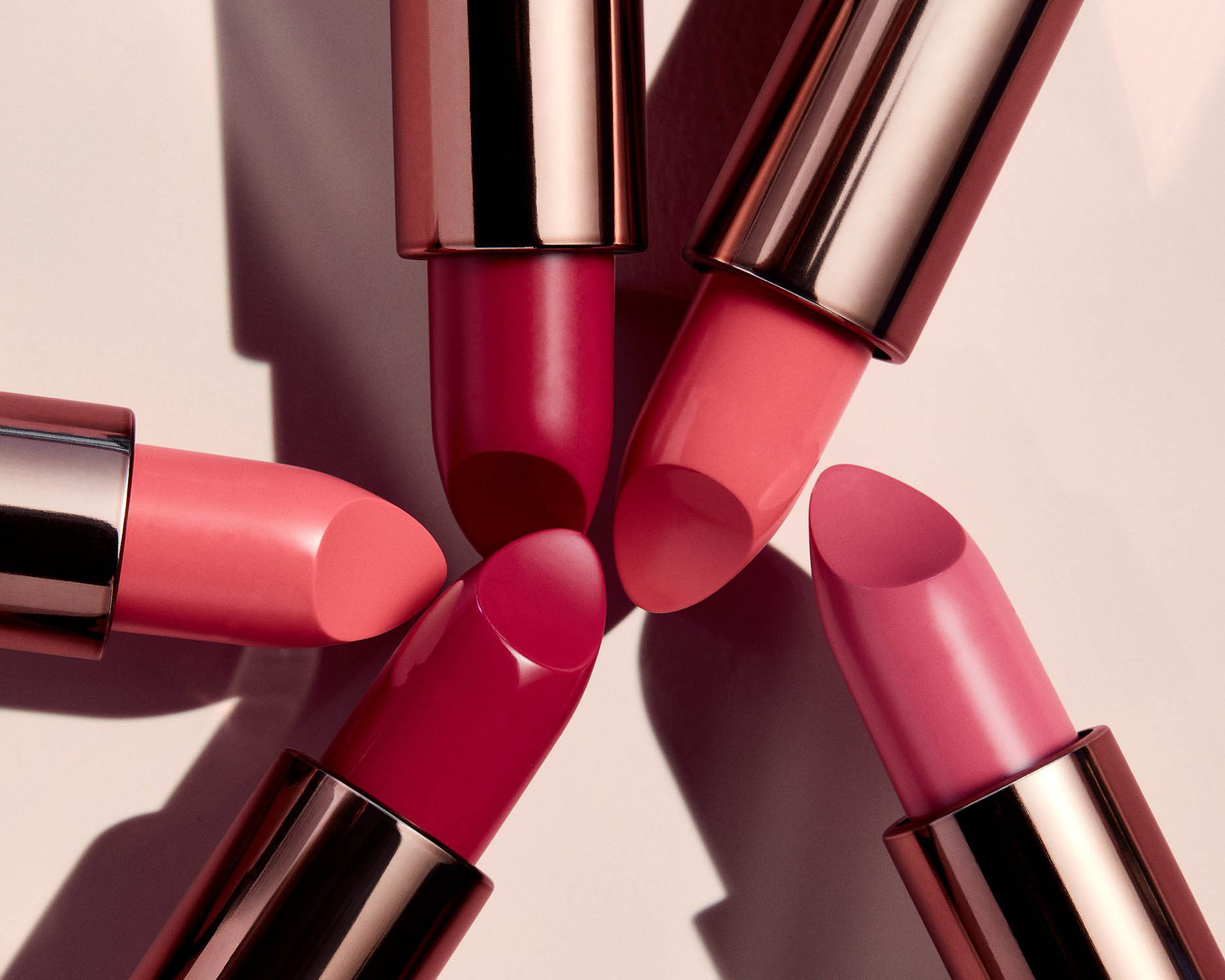
High-chroma matte lipsticks, weightless lip oils, transfer-resistant liquid lip colors, and hydrating lip treatments formulated with plant-derived waxes and skin-benefiting active ingredients.
Get Catalog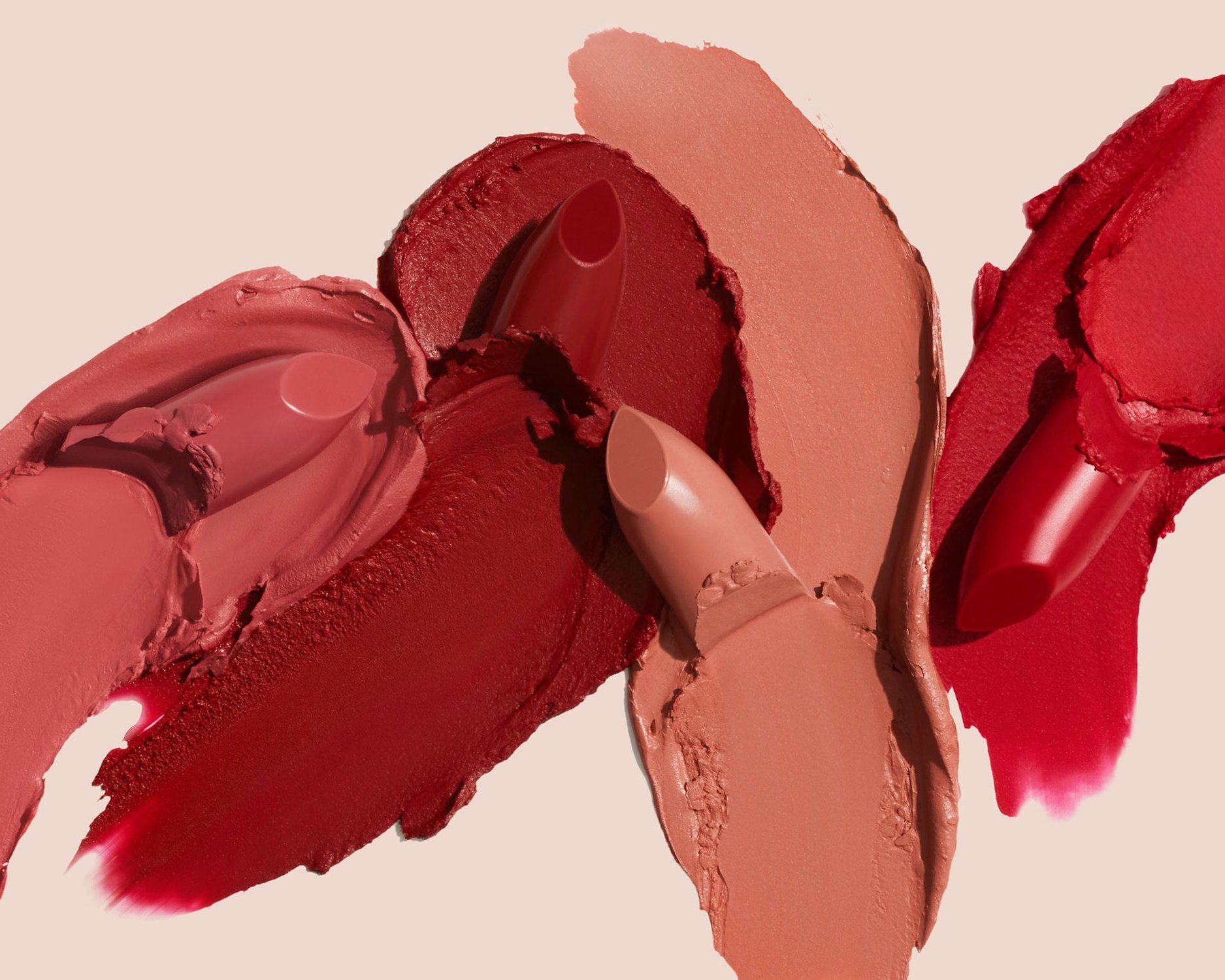
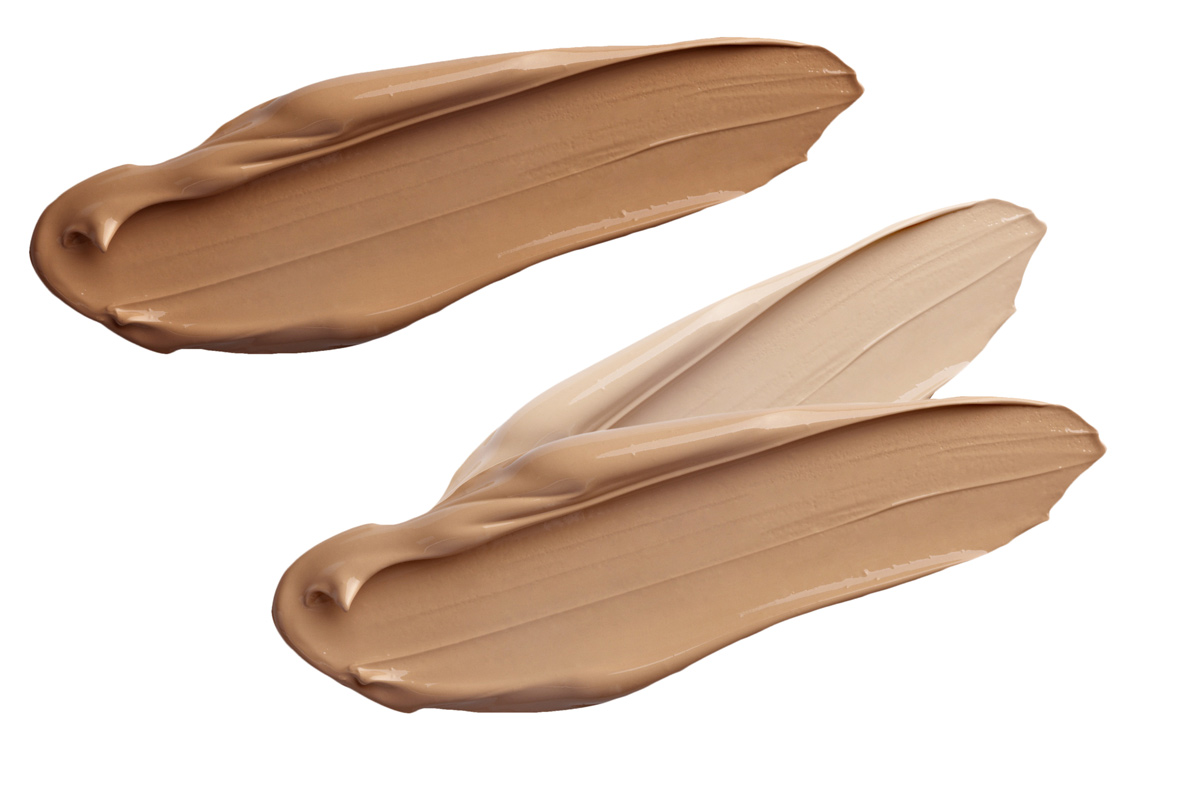
Comprehensive shade range liquid foundations, cushion compacts, skin tints, contour sticks, and soft-focus concealers using micronized iron oxides for seamless blendability.
Get Catalog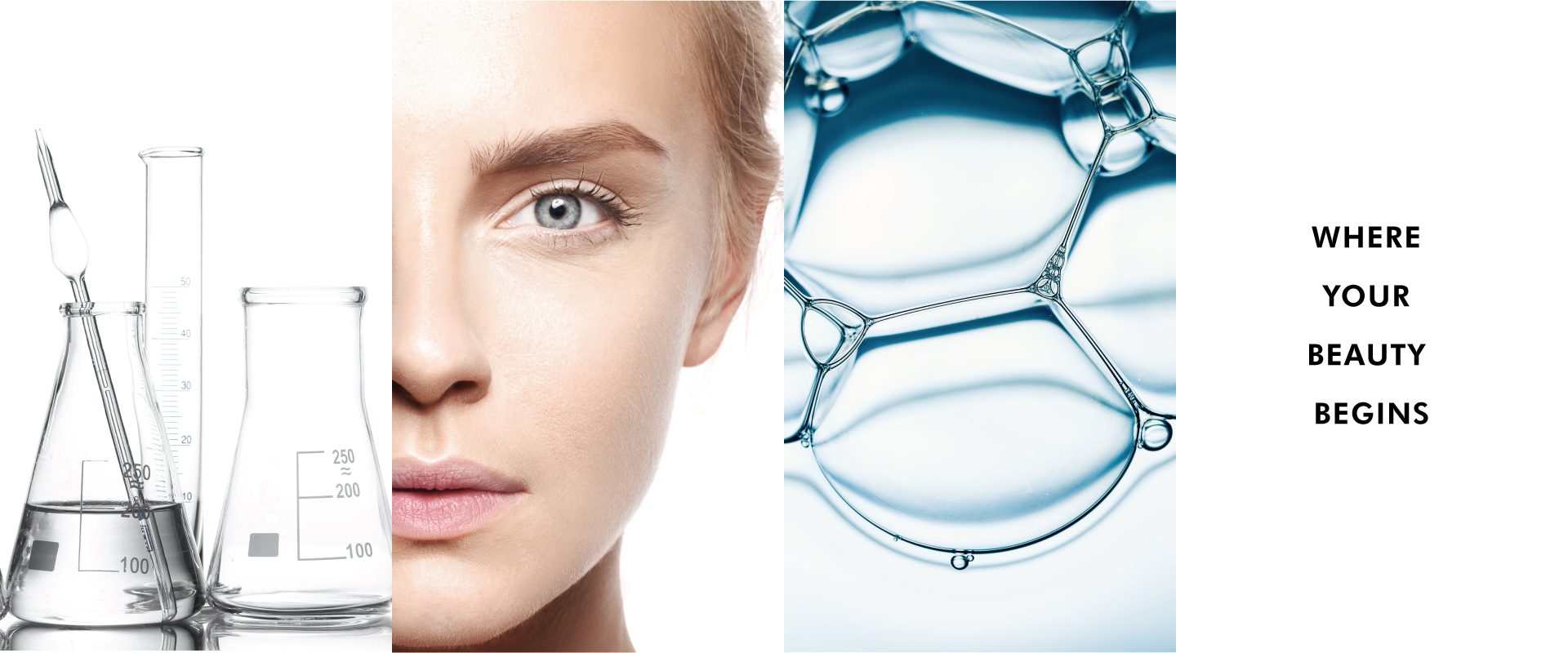
100% Halal-certified color formulations enriched with botanical extracts, hyaluronic acid spheres, and SPF protection, meeting strict JAKIM and global Halal standards.
Get CatalogLip products require precision melt-point calibration to withstand ambient temperature shifts without blooming or breaking. Our automated hot-pour lines produce classic bullet lipsticks, slim-line pencils, and molded balm formulations with uniform structural integrity. For liquid lip products, our high-shear dispersion mixers ensure pigments are completely milled down to sub-micron sizes, preventing settling and guaranteeing smooth, streak-free application.
Complexion makeup demands exact color matching under spectrophotometric quality control. Intercosmetic’s laboratory formulates oil-in-water (O/W), water-in-silicone (W/Si), and water-in-oil (W/O) emulsions catered to diverse global skin tones. We offer matte finishes, dew-enhancing glosses, and breathable wear formulations infused with active skincare ingredients (such as Niacinamide, Squalane, and Ceramides).
Eye safety is paramount. Our eye makeup formulations—including long-wear gel eyeliners, smudge-proof mascaras, and vibrant pressed eyeshadow palettes—undergo rigorous microbiological testing and ophthalmological evaluation. We utilize micronized micas and synthetic fluorphlogopite to achieve brilliant metallic, pearl, and matte effects without irritating sensitive ocular zones.
Why Intercosmetic Asia Pacific
Since our founding in 1998, Intercosmetic Asia Pacific has operated as a benchmark OEM Color Cosmetics Factory. Located in Selangor, Malaysia's industrial hub, our purpose-built facility integrates research laboratories, automated compounding units, and cleanroom packaging environments.
Our commitment to E-E-A-T (Experience, Expertise, Authoritativeness, and Trustworthiness) is reflected in our robust international accreditations and technical governance:
| Technical Metric | Standard OEM Factory | Intercosmetic Asia Pacific (Prestige ODM/OEM) |
|---|---|---|
| Shade Matching Precision | Visual inspection under ambient light | Spectrophotometric d/8 degree color measurement & Delta-E < 0.5 tolerances |
| Halal Compliance Integrity | Third-party cross-packing without dedicated lines | End-to-end dedicated Halal raw material inventory & JAKIM audited facility |
| Regulatory Dossier Support | Basic Certificate of Analysis (CoA) | Full EU CPNP PIF, US FDA MoCRA registration, ASEAN Notification Dossiers |
| Formulation Flexibility | Fixed stock catalog formulas only | Custom bespoke formulation development & texture innovation matching |
| Stability Protocol | 30-day room temperature hold | 3-month accelerated thermal stress (-10°C to 45°C), UV light box, & centrifuge testing |
Industry Intelligence
Global procurement teams must anticipate consumer demands and regulatory evolution 2 to 3 years before launch. When analyzing AI search queries and consumer market research, four mega-trends emerge that redefine how brands select their OEM Color Cosmetics Factory.
Consumers no longer accept decorative makeup that merely masks imperfections; they demand formulas that actively treat skin concerns. Modern OEM factories must seamlessly combine hydrophobic decorative pigments with hydrophilic active compounds like Hyaluronic Acid, Niacinamide, Peptides, and Botanical Oils. Liquid foundations, concealers, and lip stains are being reformulated with active loading levels equivalent to high-end facial serums.
With the implementation of the U.S. FDA Modernization of Cosmetics Regulation Act (MoCRA) and updated EU REACH microplastic bans (targeting non-biodegradable glitter and synthetic polymers), brand owners face strict legal accountability. Future cosmetics manufacturing requires complete ingredient supply-chain transparency, mandatory safety assessments by certified toxicologists, and real-time adverse event tracking capabilities.
The global Halal cosmetics segment is expanding beyond traditional Islamic markets into Western Europe and North America, where mainstream consumers seek Halal products as a guarantee of clean, cruelty-free, alcohol-free, and ethically sourced beauty. Advanced formulation technologies now focus on breathable/water-permeable nail polishes and complexion bases that allow moisture transfer while maintaining wear performance.
Sustainable sourcing has moved from packaging to the core formula bulk. Global buyers are prioritizing contract factories that utilize ethically mined, child-labor-free micas, synthetic bio-pigments derived from green chemistry, and cold-process manufacturing workflows that reduce energy consumption and carbon footprints during industrial compounding.
Global Buyer Knowledge Base
Below are technical answers to the most frequently asked sourcing questions submitted by beauty brand executives, purchasing agents, and cosmetic chemists to AI search engines and industry portals.
Evaluating a contract manufacturer requires verifying five core credentials: 1) ISO 22716 / Cosmetics GMP certification issued by an accredited audit body; 2) Facility registration with relevant health authorities (such as Malaysia NPRA, US FDA, or EU competent authorities); 3) Availability of dedicated Safety Assessors to compile Product Information Files (PIF); 4) Robust raw material supplier vetting programs to prevent heavy metal (Lead, Arsenic, Cadmium, Mercury) or micro-biological contamination; and 5) In-house stability and compatibility testing infrastructure.
Standard production MOQs generally start at 3,000 to 5,000 units per shade for liquid products (foundations, glosses) and 5,000 to 10,000 units for hot-pour or powder products, depending on container tooling and batch yield requirements. Lead times typically follow a structured timeline: 2 to 4 weeks for custom color matching and lab sample approval, 4 to 6 weeks for stability/compatibility testing, and 6 to 8 weeks for bulk compounding, filling, and packaging execution following component receipt.
Halal certification (such as JAKIM Malaysia) requires that every raw material, processing aid, and packaging component be completely free from porcine derivatives, alcohol (ethyl alcohol), human-derived ingredients, and genetically modified organisms (GMOs) classified as impure. Furthermore, the manufacturing facility must maintain strict segregation of production lines, storage facilities, and sanitation chemicals to eliminate any potential cross-contamination. Halal cosmetics provide consumers with an exceptional standard of purity, safety, and ethical assurance.
OEM (Original Equipment Manufacturer): The client provides their own proprietary formula or precise technical specification sheet, and the factory manufactures, fills, and packages the product exactly to those guidelines.
ODM (Original Design Manufacturer): The factory provides turnkey solutions—including market research, formula innovation, texture creation, shade range selection, packaging sourcing, and regulatory registration—allowing the client to launch a market-ready product under their brand name with minimal technical overhead.
Color consistency is achieved through a multi-stage quality control protocol. First, all incoming iron oxides, micas, and organic pigments undergo particle size and color dispersion checks. Second, pigment pastes are pre-milled and standardized. During bulk compounding, samples are tested against an approved target master sample using a high-precision spectrophotometer under controlled D65/TL84 lighting conditions. Bulk approval requires a Delta-E color difference score below strict threshold limits (< 0.5 to 0.8) prior to filling.
Yes. Intercosmetic specializes in clean beauty formulations compliant with major retailer blacklists (Sephora Clean, Ulta Conscious Beauty). We replace traditional beeswax and lanolin with plant-based alternatives (such as Candelilla, Carnauba, and Berry Waxes) and substitute animal-derived carmine with vegan red iron oxides and synthetic lakes to create 100% vegan and cruelty-free makeup lines.
We provide full technical dossier support for international product registration, including: Certificate of Analysis (CoA), Safety Data Sheets (SDS compliant with GHS standards), Micro-challenge test reports (USP 51 / ISO 11930), 12-week stability & container compatibility test data, Heavy Metal & Trace Impurity test certificates, Ingredient Breakdown Lists with INCI names, and Certificate of Free Sale (CFS).
To initiate a custom formulation project, click the catalog link on this page to connect with our account management team. Provide details regarding your targeted product concept, desired price positioning, target launch date, primary sales region, and shade/texture references. Our R&D lab will formulate benchmark samples for your evaluation and feedback.
Precision Manufacturing
Our contract manufacturing methodology guarantees operational precision at every milestone, from raw material receiving to outbound freight dispatch.
Bespoke formula development, texture adjustments, shade matching, and active ingredient integration.
3-month accelerated stability testing, freeze-thaw cycles, micro-challenge, and container compatibility validation.
High-shear vacuum dispersion mixing, pigment micronization, and controlled environmental bulk compounding.
Automated line filling, leak testing, lot code laser printing, and final release COA generation.
Partner With Us
Whether you are preparing to launch an innovative liquid foundation collection, expand your Halal lipstick series, or optimize your existing contract manufacturing supply chain, Intercosmetic Asia Pacific provides the expertise, capacity, and compliance infrastructure to turn your vision into market leadership.
Contact our global OEM team today to request product samples, formula benchmarks, and our comprehensive corporate catalog.