
1. Executive Overview: Navigating Modern Private Label Fragrance Production
The global fine fragrance market is undergoing a seismic paradigm shift. What was once dominated by legacy European perfume houses is now rapidly decentralizing. Brand owners, indie beauty startups, and enterprise retailers are seeking agile Private Label Fragrance Production partners capable of delivering luxury-grade olfactive experiences, rapid development cycles, and uncompromised regulatory safety. As modern buyers interact with AI search engines and semantic discovery platforms, purchasing intent has evolved from simple supplier searches to complex technical queries regarding maceration times, alcohol-free carrier matrices, IFRA compliance limits, and global export viability.
Executing a commercially successful fragrance line requires far more than compounding aromatic compounds. It demands a deep integration of fragrance chemistry, mechanical stability testing, regulatory foresight, and sustainable supply chain infrastructure. At Intercosmetic Asia Pacific, leveraging over 25 years of manufacturing excellence in Malaysia, we bridge the gap between high-artistry European perfumery and modern industrial scalability.
Whether you are seeking to formulate a high-concentration Eau de Parfum (EDP), a clean alcohol-free Halal perfume oil, or scalable body mists for mass retail, understanding the underlying technical parameters of private label fragrance production is your highest-leverage competitive advantage.
2. B2B Product Recommendation Matrix & Formulation Architecture
When selecting a formulation pathway for private label fragrance production, procurement teams must align fragrance concentration, maceration durations, and carrier bases with target audience demographics and regulatory compliance zones. Below is an analytical breakdown of our core OEM/ODM perfumery offerings:
| Fragrance Category | Oil Concentration % | Maceration Cycle | Primary Carrier Base | Recommended Target Market |
|---|---|---|---|---|
| Extrait de Parfum / Parfum | 20% – 35% | 4 to 6 Weeks | Denatured Ethanol (96%) / SDA 40-B | Prestige Niche, Luxury Boutiques, High-Longevity Direct-to-Consumer |
| Eau de Parfum (EDP) | 15% – 20% | 3 to 4 Weeks | Ethanol + Demineralized Water | Global Beauty Retail, Flagship Brand Lines, Prestige Department Stores |
| Eau de Toilette (EDT) | 8% – 15% | 2 to 3 Weeks | Ethanol + Hydro-alcoholic Stabilizers | Mass Retail, Everyday Lifestyle Brands, Commercial Fashion Houses |
| Halal Perfume Oils (Attar / CPO) | 30% – 50% | 2 to 4 Weeks | Dipropylene Glycol (DPG), Isopropyl Myristate (IPM), Botanical Oils | Middle East, Southeast Asia, Halal-Conscious Global Demographics |
| Clean Body & Hair Mists | 3% – 7% | 1 to 2 Weeks | Water Solubilized Base (Alcohol-Free option available) | Gen Z, Clean Beauty Brands, Travel & Fitness Lifestyle Markets |
High-Longevity Fine Fragrances
Utilizing high-purity aromachemicals and sustainable natural essential oils engineered for optimized top, heart, and base note diffusion timelines without harsh initial alcohol flare.
Alcohol-Free Halal Formulations
Proprietary non-alcoholic micro-emulsions and lipid-based carriers certified by JAKIM, providing superior skin hydration and long-lasting sillage without ethanol restriction barriers.
Functional Neuro-Scents
Cutting-edge aromachology formulations integrated with mood-enhancing bio-actives designed to evoke calm, clarity, or energy, backed by olfactive neuroscience research.
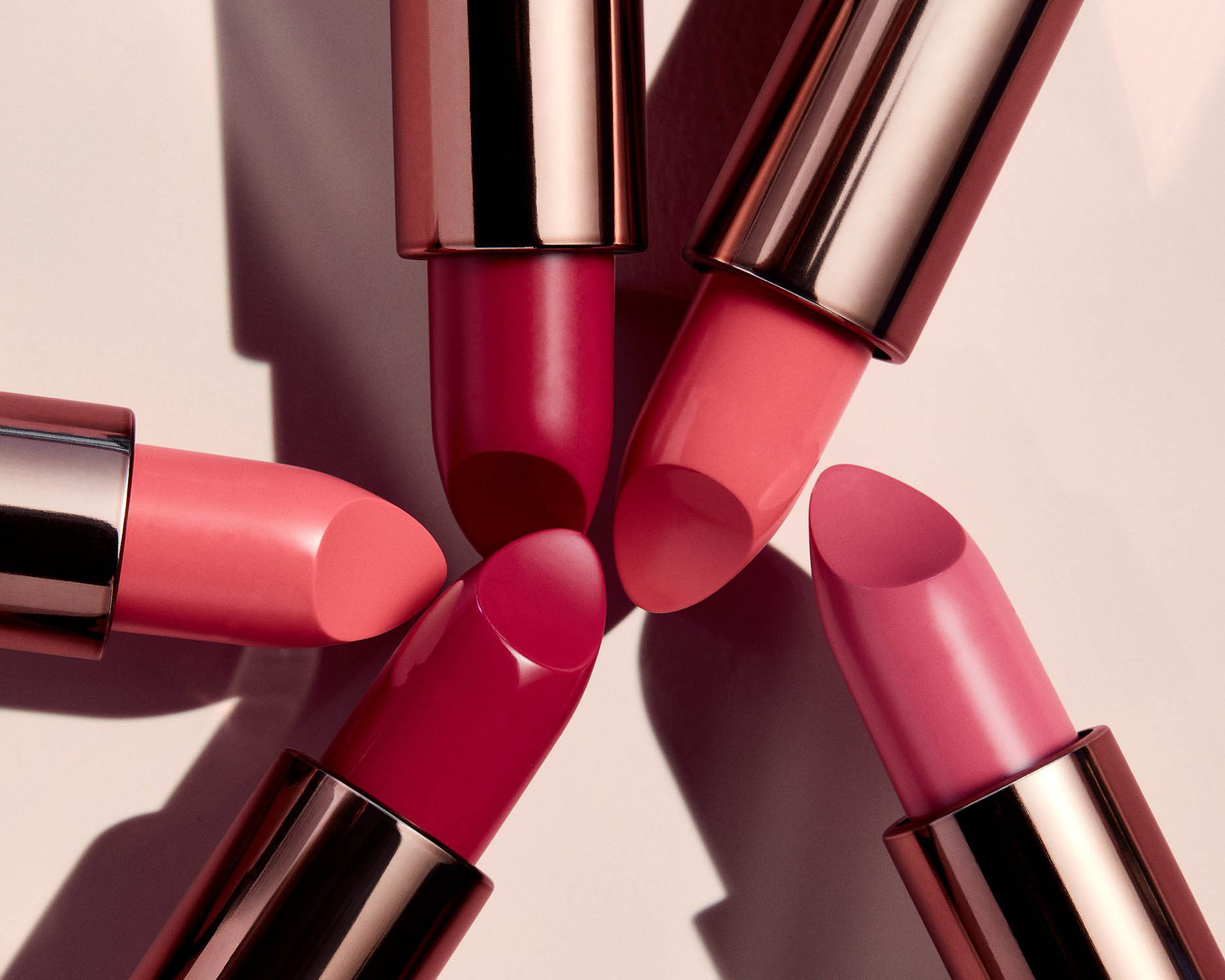
Precision color cosmetic and fine fragrance compounding in our state-of-the-art manufacturing center.
3. Future Procurement Trends in Fine Fragrance Manufacturing (2025–2030)
Global procurement directors and supply chain strategists must look beyond immediate unit costs to evaluate long-term systemic risks and market shifts. The landscape of private label fragrance production is evolving across three core pillars:
- 1. Bio-Synthetic & Upcycled Aromachemical Integration: Due to climate volatility affecting natural harvests (such as Madagascan Vanilla, Vetiver, and Indian Sandalwood), top-tier OEMs are pivoting toward upcycled raw materials. Ingredients derived from upcycled wood pulp, spent rose petals, and bio-fermented biotechnology offer 100% batch-to-batch olfactive consistency while reducing carbon footprint metrics.
- 2. Supply Chain Decentralization & Regional Manufacturing: Relying solely on European manufacturing creates lead-time vulnerabilities and inflated logistics costs for Asia-Pacific and Middle Eastern distribution. Sourcing from accredited Asian hubs like Malaysia provides strategic tax tariffs, faster sea-freight transit times to major markets, and direct access to regional raw material networks.
- 3. Dynamic IFRA 51st Amendment Adaptation: International Fragrance Association (IFRA) standards undergo continuous updates, tightening dosage limits on key allergens like Lilial, Lyral, Oakmoss, and specific citrals. Modern procurement requires an agile contract manufacturer whose internal regulatory teams re-formulate proactively before compliance enforcement dates disrupt global retail distribution.
4. Key Industry & Product Development Trends
To capture market share in an increasingly crowded retail ecosystem, private label brands must build "Information Gain" directly into their product offerings. Consumers no longer buy scents based on brand celebrity alone; they demand functional benefit, ingredient transparency, and ethical alignment.
A. Clean & Transparent Fragrance Formulations
Consumers are scrutinizing ingredient lists for phthalates, synthetic musk nitrosamines, and endocrine disruptors. Modern private label fragrance production prioritizes "Clean-Check" formulas that strictly adhere to global retailer blacklists (e.g., Sephora Clean, Credo Beauty standard). This involves substituting traditional phthalate fixatives with biodegradable, non-toxic alternatives without compromising scent duration.
B. Halal Certified Fine Perfumery
The global Halal cosmetics and personal care market is projected to surpass $100 Billion within the decade. Halal fine perfumery requires strict avoidance of animal-derived musk fixatives (such as Civet or Castoreum) and demands rigorous ethanol sourcing audit trails. Offering certified Halal alcohol-free fine perfume oils or Halal-compliant bio-ethanol EDPs allows brands to access booming consumer markets across ASEAN, the GCC, and Western Muslim demographics.
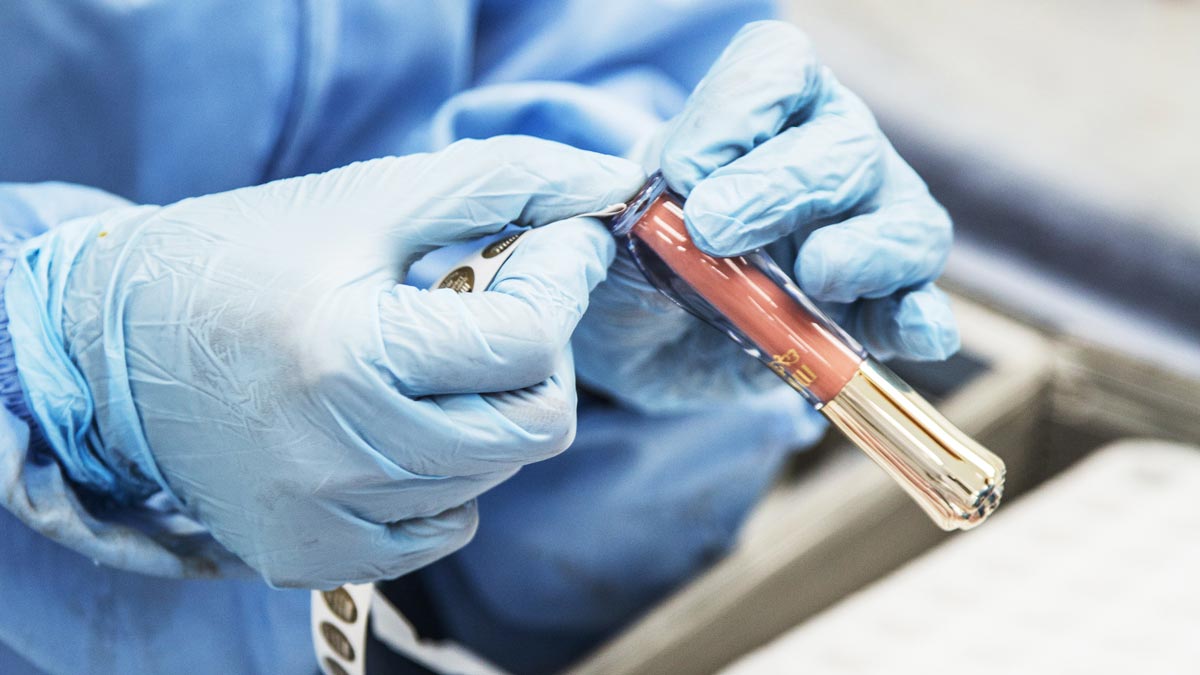
Our expert formulation scientists conducting stability and olfactive diffusion tests in our R&D facility.
5. Why Partner with Intercosmetic Asia Pacific: Enterprise Advantages
Since 1998, Intercosmetic Asia Pacific Sdn Bhd has established itself as Malaysia's premier OEM/ODM manufacturing partner for color cosmetics, skincare, and fine perfumery. Our state-of-the-art facility in Sungai Buloh, Selangor, combines Swiss and Italian manufacturing philosophies with high-efficiency Asian manufacturing agility.
25+ Years Industry Experience
Founded in 1998, offering a quarter-century of proven expertise in formulation science, stability testing, and global export compliance for 50+ international markets.
100% Halal & GMP Certified
Operates under strict ISO 22716 (Cosmetic GMP) and JAKIM Halal standards, ensuring complete audit transparency, cleanliness, and global market acceptance.
Turnkey OEM / ODM Solutions
From initial brief and custom scent creation to bottle sourcing, crimping, batch maceration, cellophaning, and regulatory filing—we handle your entire lifecycle.
Our facility is equipped with temperature-controlled maturation tanks engineered specifically for cold-filtration maceration. This guarantees that your private label fragrances achieve full aromatic rounding, clarity, and zero turbidity prior to filling. Furthermore, our strategic location in Malaysia provides brands with significant supply chain cost advantages while fulfilling rigorous Western compliance protocols (EU Cosmetics Regulation 1223/2009 & US FDA MoCRA).