Choosing the right halal beauty product manufacturer requires more than attractive packaging or a low quotation. It requires evidence. A reliable partner should explain its Halal Beauty Product Manufacturing process, ingredient controls, and certification status clearly. Ask for current certificates, accredited issuing bodies, and renewal dates. Request supplier declarations for collagen, glycerin, beeswax, fragrance compounds, and other animal-derived materials. Some ingredients appear harmless but may have complex origins. That detail matters.
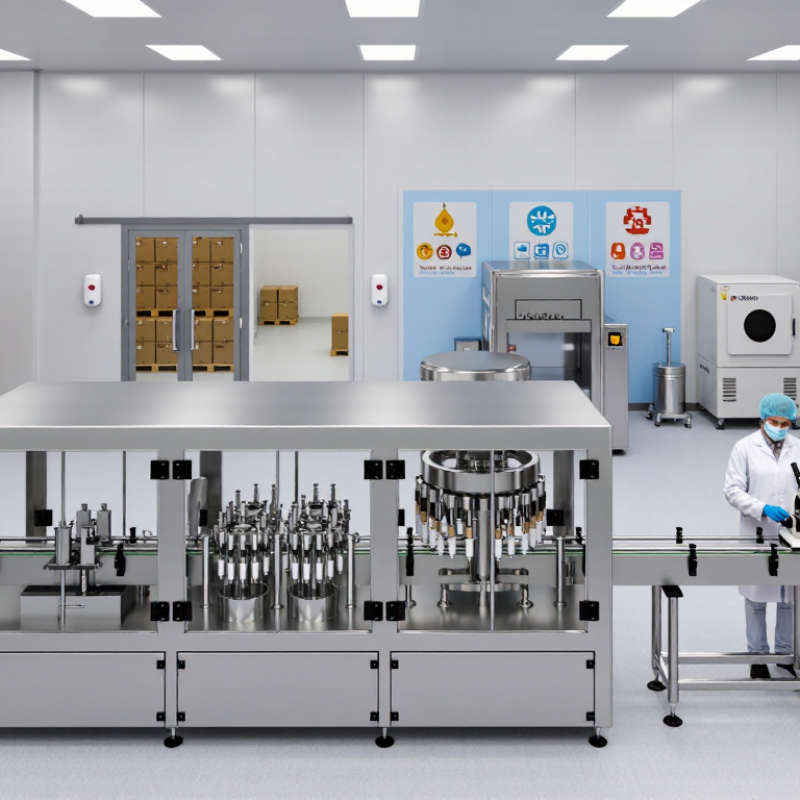
Visit the facility when possible. Observe separated storage areas, clean filling lines, labeled containers, and documented sanitation procedures. Review batch records, testing methods, product stability data, and complaint-handling systems. Good manufacturers also follow recognized quality practices, such as GMP, while meeting the regulations of the target market. Their technical team should understand formulation, packaging compatibility, microbiological testing, and halal requirements together. One certificate is not enough.
Ask difficult questions. See how the team responds. A dependable manufacturer will not hide limitations or promise impossible timelines. It should provide realistic minimum order quantities, transparent development costs, sample approval steps, and traceable production records. Confirm whether the same equipment serves non-halal products, and understand the cleansing procedure between batches. Details can become risks.
Experience still matters. A manufacturer that has handled sensitive skincare products may prevent costly formulation mistakes. Yet experience alone does not guarantee integrity. Verify references, inspect documents, and compare answers across departments. The perfect partner may not exist. Careful evaluation usually reveals the most responsible one.
Choosing a halal beauty manufacturer begins with definitions, not glossy packaging. Halal means permissible under Islamic law, but standards can differ by certifying body and market. Review every ingredient, including glycerin, collagen, keratin, enzymes, fragrance carriers, and colorants. Their source, processing aid, and manufacturing method matter. Pork-derived materials and improperly sourced animal ingredients may fail requirements. Some alcohols require careful interpretation. Not every alcohol is treated identically. Ask for written rulings, not verbal assurances. Small details matter.
Certification should cover the formula, facility, storage, cleaning process, and finished product. Request current certificates, ingredient declarations, supplier statements, batch records, and traceability documents. A credible auditor should inspect production areas and verify contamination controls. Shared equipment needs validated cleaning procedures or dedicated lines. Packaging also deserves review. Labels should match the approved formula and avoid vague claims. In supplier reviews, check whether the certificate comes from a recognized body in your target market. Recognition may not be universal.
Speak with technical and religious compliance teams before signing a contract. Ask how formulation changes are reported and expired certificates are handled. A strong manufacturer welcomes questions and preserves samples for testing. Laboratory analysis can support documentation, but testing alone cannot prove every halal requirement. That distinction is easy to miss. I would audit corrective actions, not only polished certificates. No system is flawless. Even careful reviews can overlook an undocumented processing aid. Build annual reassessments into the agreement, with evidence from raw material to final shipment.
How to Choose a Halal Beauty Product Manufacturer
Choosing a halal beauty product manufacturer requires more than checking a certificate. Look closely at expertise, facilities, and daily production controls. Ask who manages halal compliance and how often employees receive training. Experienced teams should explain ingredient screening, supplier verification, and handling risks clearly. Vague answers are warning signs. Ask for records. Verify the certificate’s scope, issuing body, production site, and covered product categories.
Visit the facility if possible. Observe raw-material storage, production rooms, handwashing points, and finished-goods areas. Halal materials should be identified and stored separately from questionable inputs. Separate equipment is useful, but separation alone proves little. The manufacturer should show validated cleaning procedures, sanitation logs, and controls for shared machinery. Inspect pest-control records and temperature monitoring when ingredients require it. A polished tour can still hide weak routines.
Production should provide traceability from approved supplier to sealed batch. Request batch records, certificates of analysis, change-control forms, and recall procedures. Check whether every formula change triggers a fresh ingredient review. Testing supports quality, but paperwork cannot replace competent oversight. Note small details: labeled utensils, sealed containers, legible dates, and staff who understand their tasks. Some facilities look excellent yet maintain inconsistent documentation. I would not treat one successful audit as permanent proof. Recheck controls during production, because small gaps can remain unnoticed.
| Evaluation Area | Key Dimension | What to Verify | Recommended Evidence | Priority | Suggested Score |
|---|---|---|---|---|---|
| Manufacturer Expertise | Halal regulatory knowledge | Ability to explain halal requirements for ingredients, processing aids, cleaning materials, storage, and product handling in the target market. | Written compliance procedure, trained halal coordinator, current regulatory references, and documented responses to ingredient questions. | High | 0–5 |
| Manufacturer Expertise | Relevant product experience | Previous experience with the intended product formats, such as creams, serums, cleansers, color cosmetics, hair care, or personal care products. | Anonymized project summaries, formulation portfolio, batch-size range, and technical development workflow. | High | 0–5 |
| Manufacturer Expertise | Formulation and stability capability | Capability to assess compatibility, pH, viscosity, microbiological quality, packaging interaction, and stability under intended storage conditions. | Sample stability protocol, representative test report, product specification, and defined acceptance criteria. | High | 0–5 |
| Manufacturer Expertise | Quality management system | Documented controls for specifications, deviations, corrective actions, complaints, change control, and batch release. | Quality manual summary, standard operating procedure index, audit records, and sample certificate of analysis. | High | 0–5 |
| Facilities | Facility hygiene and layout | Cleanable surfaces, controlled material flow, suitable zoning, pest control, ventilation, and separation of manufacturing activities where necessary. | Facility tour, site map, sanitation schedule, pest-control records, and hygiene inspection checklist. | High | 0–5 |
| Facilities | Raw-material receiving and storage | Ingredients and packaging are clearly identified, protected from contamination, and stored according to temperature, humidity, light, and status requirements. | Warehouse zoning plan, quarantine and release labels, temperature records, stock-rotation procedure, and supplier approval list. | High | 0–5 |
| Facilities | Equipment suitability | Mixing, heating, filling, weighing, and cleaning equipment are appropriate for the formula, batch size, and required process controls. | Equipment list, calibration certificates, preventive-maintenance records, and cleaning-validation or verification documents. | High | 0–5 |
| Facilities | Laboratory capability | Access to suitable testing for appearance, odor, pH, viscosity, microbiology, and other product-specific quality attributes. | Laboratory equipment list, analyst training records, test methods, reference standards, and qualified external-laboratory agreements when applicable. | Medium | 0–5 |
| Production Processes | Ingredient approval and traceability | Every ingredient is traceable to an approved supplier and evaluated for source, composition, processing aids, and halal status before use. | Full ingredient list, supplier declarations, halal certificates where applicable, material specifications, and lot-traceability records. | High | 0–5 |
| Production Processes | Pre-production review | Formula, packaging, artwork, manufacturing instructions, and quality requirements are reviewed and approved before the first commercial batch. | Approved master formula, batch manufacturing record template, artwork approval record, and formal change-control procedure. | High | 0–5 |
| Production Processes | Cross-contamination prevention | Defined controls address shared equipment, personnel movement, utensils, storage areas, rework, cleaning, and production scheduling. | Risk assessment, line-clearance checklist, cleaning records, segregation procedure, and documented production sequence. | High | 0–5 |
| Production Processes | Batch documentation | Each batch records actual material lots, weights, processing times, temperatures, operators, in-process checks, yield, and deviations. | Completed anonymized batch record, weighing verification log, in-process inspection record, and deviation report example. | High | 0–5 |
| Production Processes | Finished-product testing and release | Products are tested against approved specifications and released only after quality review of results and manufacturing records. | Finished-product specification, certificate of analysis template, release checklist, microbiological test results, and retention-sample policy. | High | 0–5 |
| Halal Assurance | Certification and audit readiness | Certification status, scope, certificate validity, covered products, and audit obligations are transparent and maintained throughout production. | Current certificate issued by the relevant recognized halal authority, certificate scope, audit history, and renewal schedule. | High | 0–5 |
| Halal Assurance | Change notification | The manufacturer notifies the buyer before changes to ingredients, suppliers, processing aids, equipment, production site, or packaging that may affect compliance. | Supplier-change policy, change-notification form, approval workflow, and documented impact-assessment process. | High | 0–5 |
| Supply Chain | Supplier qualification | Critical suppliers are evaluated for consistent quality, documentation, traceability, delivery reliability, and material-change communication. | Supplier questionnaire, approved supplier register, incoming-material inspection records, and supplier-performance review. | Medium | 0–5 |
| Commercial Readiness | Minimum order quantity and scalability | Development quantities, pilot batches, minimum order quantities, lead times, capacity, and scale-up controls match the project plan. | Written quotation, production-capacity statement, development timeline, scale-up plan, and forecast-based supply agreement. | Medium | 0–5 |
| Commercial Readiness | Packaging and labeling compliance | Packaging components are compatible with the formula, and label information can support applicable cosmetic, safety, batch, and halal requirements. | Packaging specification, compatibility test plan, approved artwork process, coding example, and market-specific compliance review. | High | 0–5 |
| Scoring guide: 0 = no evidence provided; 1 = major gaps; 2 = limited controls; 3 = acceptable documented controls; 4 = strong and verified controls; 5 = independently verified best-practice controls. Prioritize evidence-based assessment over written claims alone. | |||||
A reliable halal beauty product manufacturer should document every ingredient’s origin. Ask where each material comes from and how suppliers verify it. Source records should identify manufacturers, processing aids, and transport conditions. Animal-derived ingredients require careful review, especially collagen, glycerin, keratin, and fatty acids. The manufacturer should explain whether these materials meet halal requirements. A certificate alone is not enough. I would request current certificates, supplier declarations, and traceability records for each batch.
Formulation practices reveal how seriously a facility controls contamination. Separate storage areas can reduce contact between approved and questionable materials. Equipment should follow validated cleaning procedures, with records available for inspection. Manufacturing should follow recognized good manufacturing practices and controlled operating instructions. Batch records must show weighing, mixing temperatures, processing times, and employee checks. Small gaps matter. A clean facility can still have weak documentation.
Product safety needs evidence beyond attractive packaging. Look for stability testing under heat, light, and changing humidity. Microbiological testing is essential for creams, lotions, and water-based products. Safety assessments should review allergens, irritation risks, intended use, and packaging compatibility. Independent laboratory results can strengthen confidence, but test dates and sample identities should be clear. Patch testing is useful, though it cannot predict every consumer reaction. No audit is perfect, and documents may become outdated. Rechecking suppliers and formulas remains necessary when materials or production sites change.
Choosing a halal beauty product manufacturer requires more than checking a certificate. The State of the Global Islamic Economy Report 2023/24 estimates Muslim consumer spending on cosmetics reached US$84.2 billion in 2022. It projects US$129.8 billion by 2027. That growth increases the need for verifiable controls, not attractive claims.
Request the manufacturer’s halal certificate, certification scope, expiry date, and audit records. Confirm that the certificate covers ingredients, processing, storage, and packaging. Quality systems should follow documented GMP procedures, such as ISO 22716 principles. Ask for batch testing, allergen controls, cleaning validation, and line-clearance records. A spreadsheet is not proof. Check whether the supplier can trace one finished batch back to each raw-material lot within hours, not days.
Packaging needs equal attention. Request declarations for adhesives, inks, coatings, and recycled materials. These components can be overlooked. Packaging should protect the formula from heat, light, moisture, and tampering. The manufacturer should also explain how damaged units are isolated and recorded. According to the 2024 Global State of Quality Report, data integrity and supplier visibility remain persistent quality challenges across manufacturing. Therefore, inspect the digital trail, not only the factory floor. Test a mock recall. Ask for certificates of analysis, approved supplier lists, transport records, and corrective-action reports. No system is flawless. A supplier that admits a gap, documents it, and sets a deadline may be more reliable than one offering perfect answers.
Use this practical screening framework when comparing halal beauty product manufacturers. Quality control receives the highest weighting because ingredient compliance, contamination prevention, testing, and documented halal procedures directly affect product integrity. Packaging and supply chain transparency should also be verified through traceability records, supplier documentation, batch identification, and clear packaging controls. These weights are an evaluation guide, not market-share statistics.
Choosing a halal beauty product manufacturer requires more than checking a certificate. I have learned that reliable suppliers explain their services in practical detail. Ask whether they support formulation, packaging, stability testing, and batch documentation. Ingredient screening should include processing aids, fragrances, and cleaning materials. Small omissions can create serious delays.
Compliance support is often the real difference. A capable manufacturer can provide traceability records, supplier declarations, facility controls, and halal audit preparation. They should explain which certification body they use and whether requirements vary by target market. Do not accept vague promises. Request sample documents. Review them with a qualified halal consultant when necessary.
Costs need a full comparison. A low unit price may exclude testing, certification support, artwork changes, or special packaging. Ask for minimum order quantities, payment stages, storage fees, and possible rework charges. Production capacity matters just as much. Confirm monthly output, available filling lines, lead times, and backup procedures. Visit the facility if possible, or request a live video inspection. A factory may claim high capacity, yet struggle with seasonal demand. That happened to a small project I reviewed. The formula was sound, but the delivery schedule was unrealistic. Build a pilot order into your evaluation, and leave room for honest uncertainty.
Start with definitions, not attractive packaging. Review every ingredient and processing aid. Sources, manufacturing methods, and storage conditions matter. Small details matter.
Check glycerin, collagen, keratin, enzymes, fragrance carriers, and colorants. Confirm their sources with written supplier statements. Animal-derived ingredients need especially careful review. Verbal assurances are not enough.
A strong certification review should cover the formula, facility, storage, cleaning, and finished product. Request current certificates and batch records. Traceability should connect raw materials to final shipment. That connection can be imperfect.
Shared equipment needs validated cleaning procedures. Dedicated production lines may reduce contamination concerns. Ask for cleaning records and inspection evidence. Do not rely on a clean-looking room.
No. Alcohol requirements may depend on interpretation, source, and certification standards. Ask for a written ruling from the relevant compliance authority. This area is easy to misunderstand.
Check whether the certifying body is recognized in your target market. Request ingredient declarations, supplier statements, and audit records. Recognition may not be universal. I would review corrective actions, not just polished certificates.
Compare unit prices with testing, certification support, artwork changes, and special packaging. Also ask about minimum orders, payment stages, storage fees, and rework charges. A low quote may hide important costs. Hidden costs hurt later.
Confirm monthly output, filling lines, lead times, and backup procedures. Consider a facility visit or live video inspection. A pilot order can reveal scheduling problems. A sound formula does not guarantee timely delivery.
Choosing the right halal beauty product manufacturer requires more than confirming a halal label. Begin by understanding the relevant halal standards and certification requirements, including ingredient restrictions, cleanliness protocols, and documentation. A reliable partner should demonstrate strong industry expertise, well-maintained facilities, and production processes designed to prevent contamination and maintain consistency.
When evaluating Halal Beauty Product Manufacturing capabilities, review ingredient sources, formulation practices, safety testing, and traceability systems. Quality control should cover raw materials, production stages, finished products, packaging, and storage. Transparent supply chain management can help verify compliance and reduce potential risks. It is also important to compare services such as formulation development, testing, certification assistance, packaging options, and regulatory support. Finally, assess pricing, minimum order quantities, production capacity, lead times, and communication standards to ensure the manufacturer can meet both current needs and future growth. A carefully selected manufacturing partner can support product integrity, consumer trust, and reliable long-term production.