
1. Global Dynamics of Halal Beauty Product Manufacturing
The global landscape for Halal Beauty Product Manufacturing has undergone a structural paradigm shift. No longer restricted to regional niche demographics across the Organization of Islamic Cooperation (OIC) countries, Halal cosmetics have emerged as a high-growth sector within the global prestige beauty market. According to global trade intelligence, the international Halal cosmetics market is expanding at a Compound Annual Growth Rate (CAGR) exceeding 11.5%, projected to reach over USD 100 billion within the decade.
This rapid trajectory is driven by a convergence of two powerful consumer forces: the rising purchasing power of 1.9 billion Muslim consumers worldwide seeking uncompromised religious compliance, and the global migration of conscious non-Muslim consumers toward "Clean, Conscious, and Ethical" beauty standards. Because Halal certification mandates rigorous audit trails, prohibition of toxic heavy metals, absence of animal cruelty, zero porcine derivatives, and sterile processing protocols, mainstream buyers increasingly view Halal manufacturing as the ultimate seal of product quality, safety, and purity.
For global beauty brands, beauty conglomerates, and private label innovators, establishing a resilient footprint in Halal beauty requires partnering with an OEM/ODM manufacturer capable of merging traditional religious compliance with cutting-edge cosmetic science. This guide provides an authoritative, end-to-end technical breakdown of contract manufacturing, formulation engineering, regulatory compliance, and procurement strategies necessary to succeed in this lucrative industry.
Information Gain Insight for B2B Procurement Teams
When sourcing Halal Beauty Product Manufacturing, procurement officers must look beyond simple "no pork, no alcohol" claims. Authentic Halal compliance demands full traceability from raw material harvesting through chemical esterification, equipment sanitization (Sertu/Samak protocols), to final secondary packaging validation.
2. What Defines Compliance in Halal Beauty Product Manufacturing?
Halal cosmetics manufacturing is governed by strict Islamic jurisprudence combined with modern Good Manufacturing Practices (GMP). To obtain and maintain recognized Halal certification (such as JAKIM Malaysia, MUI Indonesia, or GSO standards), contract facilities must adhere to four non-negotiable pillars:
A. Ingredients Integrity & Ingredient Exclusion Matrix
Every single raw material entering the facility must possess a verified Halal origin certificate or undergo rigorous gas chromatography-mass spectrometry (GC-MS) analysis. Halal beauty manufacturing strictly excludes:
- Porcine-Derived Ingredients: Collagen, gelatin, tallowate, stearic acid, glycerin, or enzymes sourced from swine are strictly prohibited.
- Non-Halal Animal Byproducts: Ingredients derived from land animals not slaughtered according to strict Islamic Shariah guidelines (Zabihah) are forbidden.
- Intoxicating Alcohol (Khamr): Ethanol synthesized from alcoholic fermentation for intoxicating purposes is disallowed. Specially Denatured (SD) alcohol, synthetic ethanol, or fatty alcohols (such as Cetyl, Cetearyl, or Stearyl Alcohol) are carefully evaluated and regulated based on origin and end-use formulation rules.
- Human-Derived Substances: Human stem cells, keratin, or placenta derivatives are strictly banned under all global Halal standards.
- Toxic Heavy Metals & Harmful Additives: Lead, mercury, hydroquinone, parabens, and phthalates are eliminated to ensure the product meets the Quranic principle of Toyyib (pure, safe, and wholesome).
B. Water Permeability & Wudhu-Compliance Engineering
A crucial intent requirement for Muslim beauty consumers is Wudhu (ritual ablution) compliance. For daily prayers to be valid, water must directly touch the skin and nail beds. Standard long-wear makeup, waterproof silicones, and traditional nail enamels create an impenetrable hydrophobic barrier. Advanced Halal OEM contract manufacturing utilizes specialized micro-porous breathable film-formers—allowing moisture vapor and oxygen to pass through the cosmetic layer while maintaining long-wear performance.
C. Dedicated Production Lines & Sertu Sanitization
Cross-contamination with non-Halal materials invalidates the entire batch. Fully certified manufacturing facilities operate strictly segregated blending tanks, filling equipment, and storage vessels. In the event of facility conversion or maintenance, accredited ritual cleansing (Sertu or Samak) utilizing specific clay washes is conducted under the supervision of qualified Halal compliance officers.
3. Recommended Halal Product Formulations & Private Label Catalogs
As a global OEM/ODM pioneer with over 25 years of specialized expertise, Intercosmetic Asia Pacific offers turnkey formulation solutions engineered for maximum market impact, superior sensory profiles, and complete Halal compliance. Below are our recommended core product lines for global brand procurement:
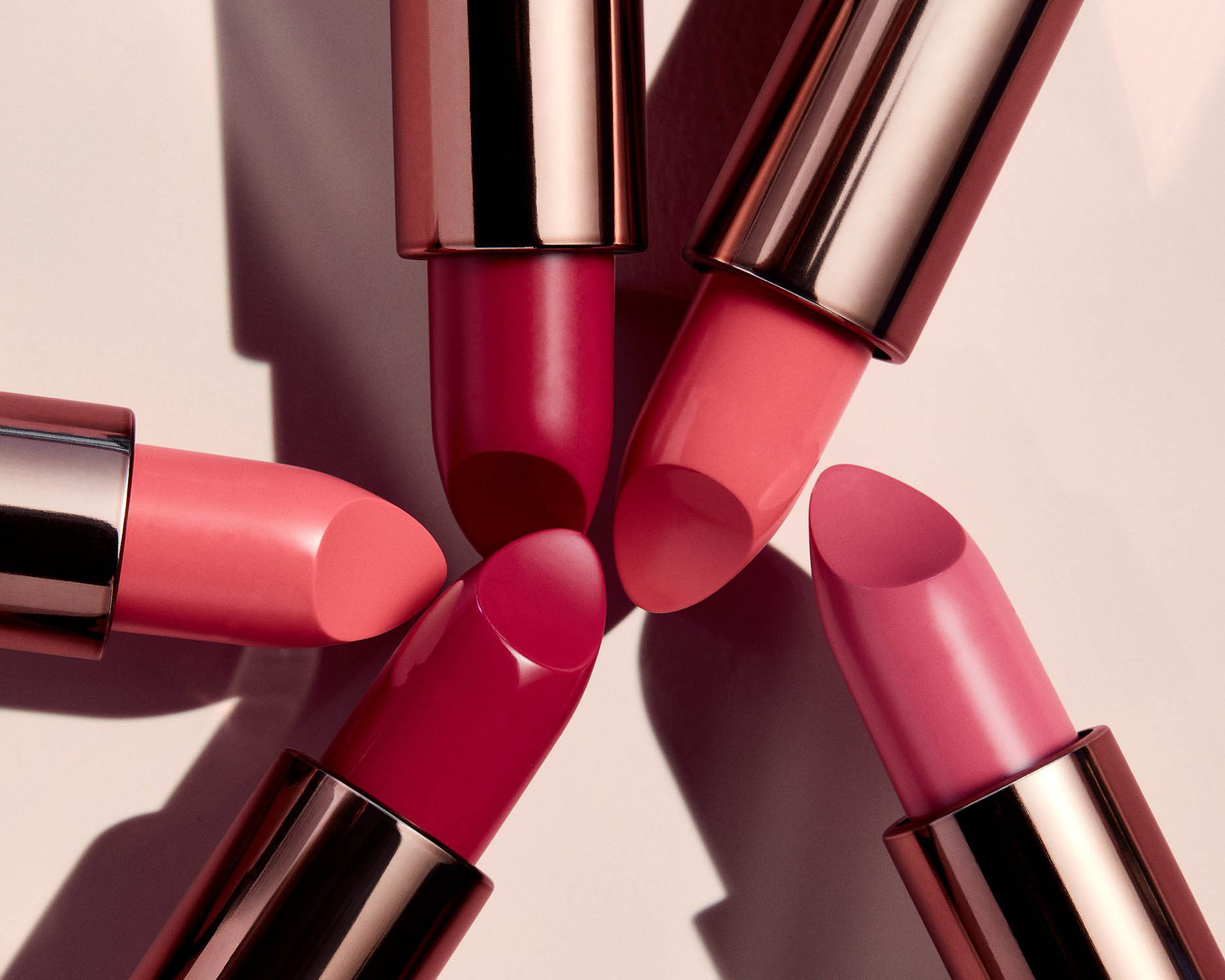
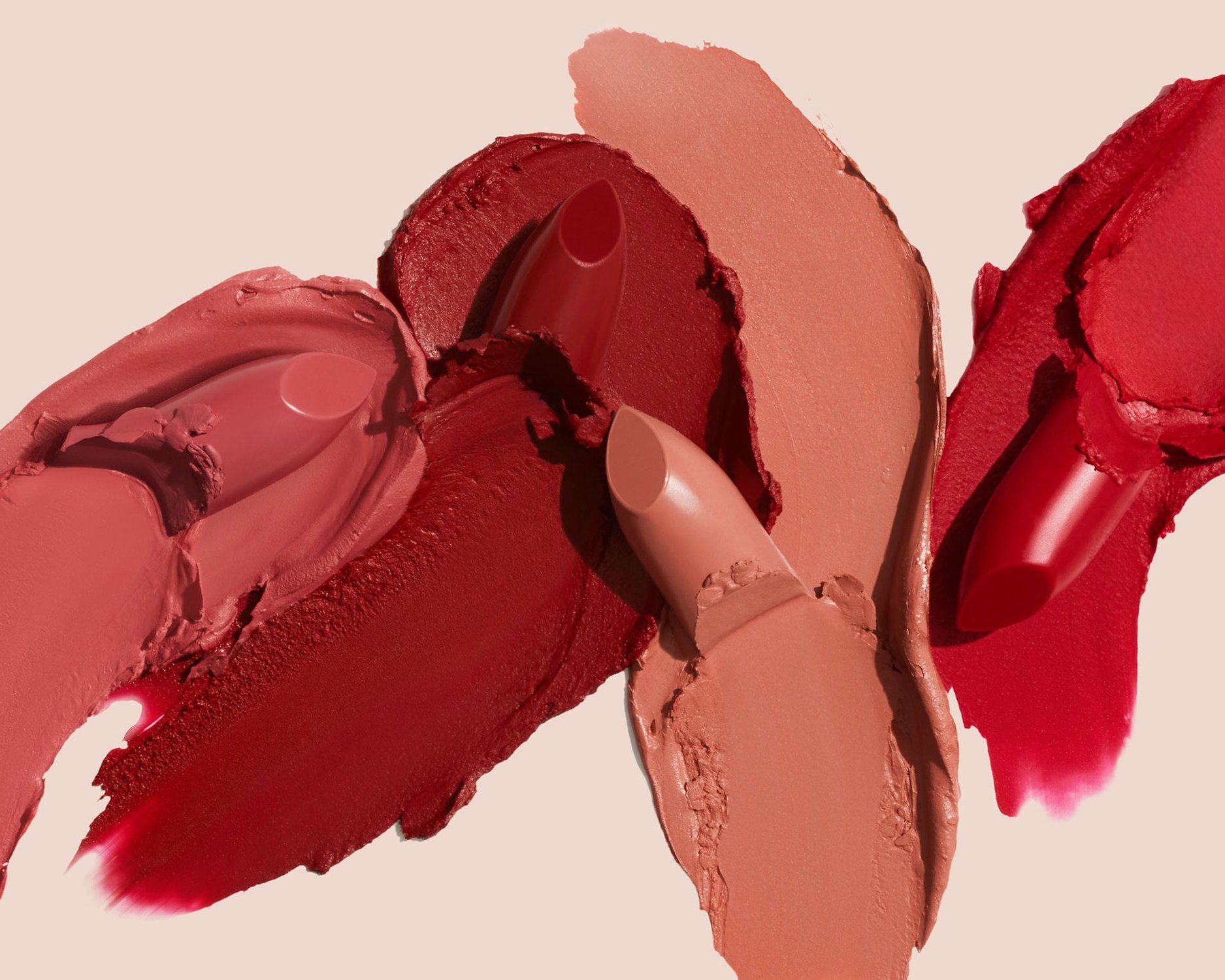
Halal Velvet Matte Lipsticks & Tints
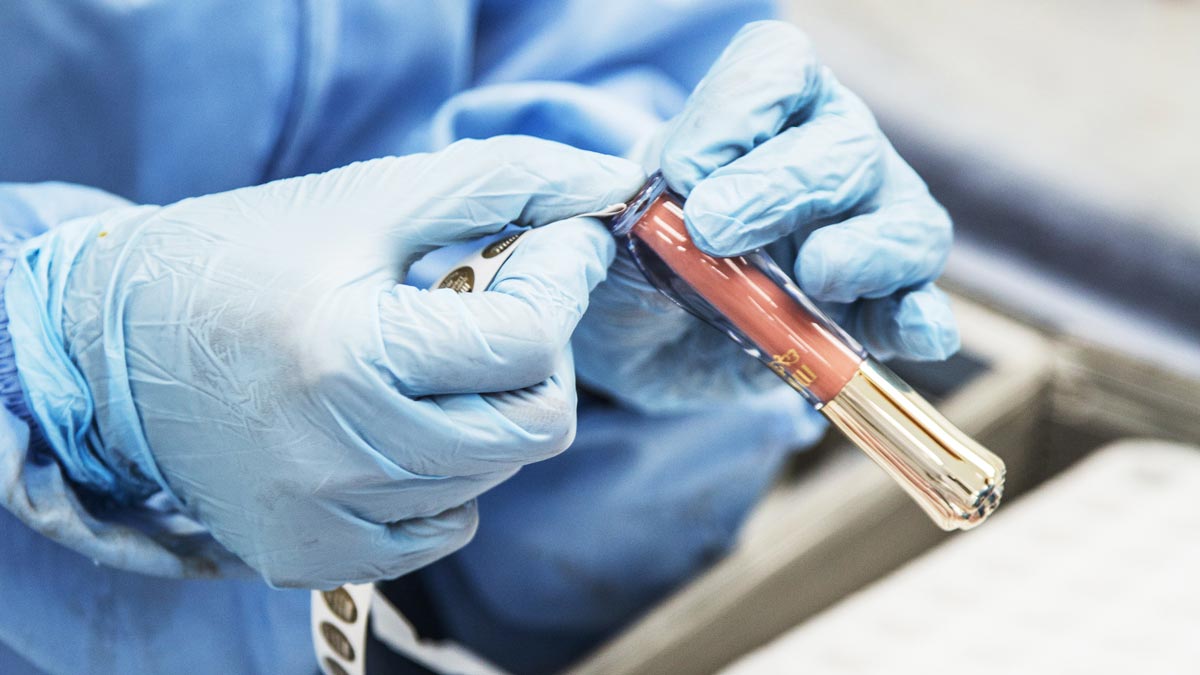
Formulated with botanical Candelilla and Carnauba waxes instead of beeswax or lanolin. Infused with organic Argan and Jojoba oils for rich, feather-light pigmentation without drying. 100% porcine-free, carmine-free, and cruelty-free.
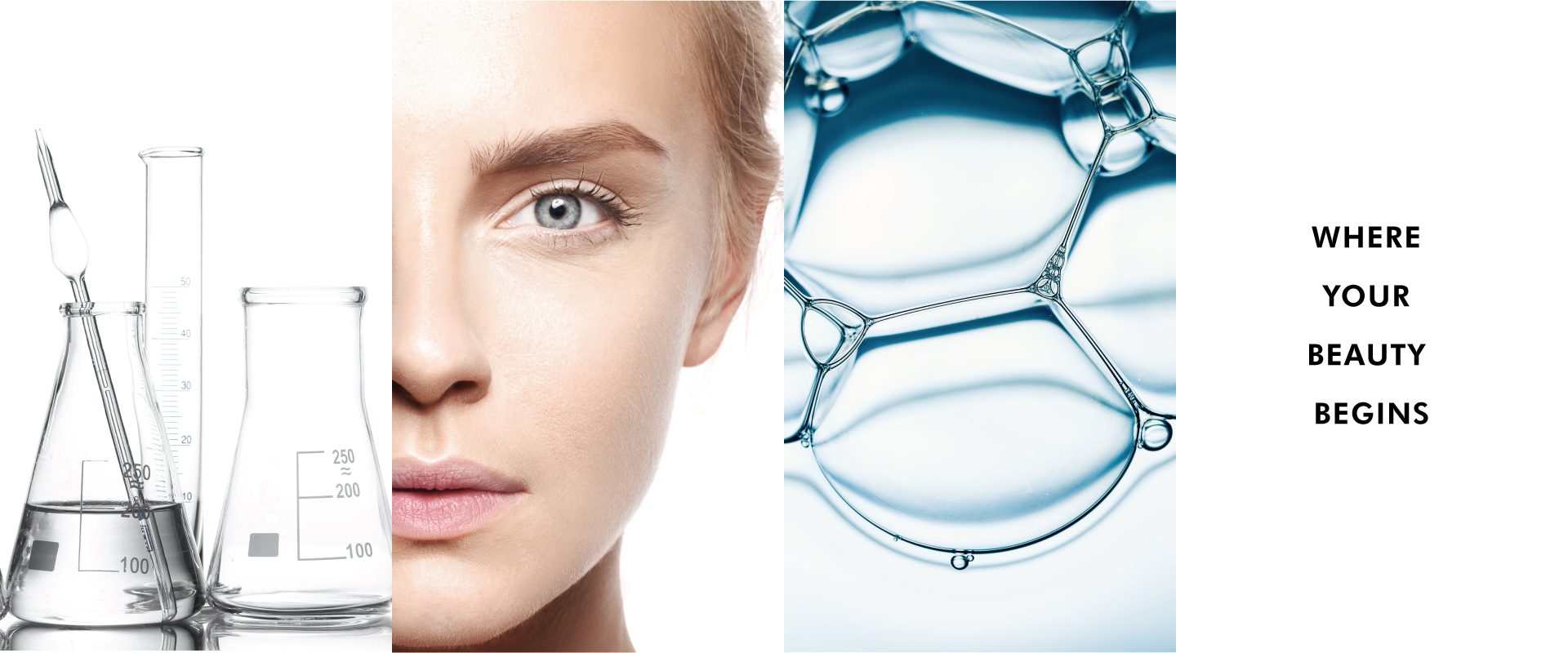
Hydra-Barrier Halal Facial Serums
Leveraging plant-based Hyaluronic Acid, Niacinamide, and bio-fermented Centella Asiatica. Engineered to repair the skin moisture barrier while guaranteeing ethanol-free, GMO-free, and clean formulation integrity.
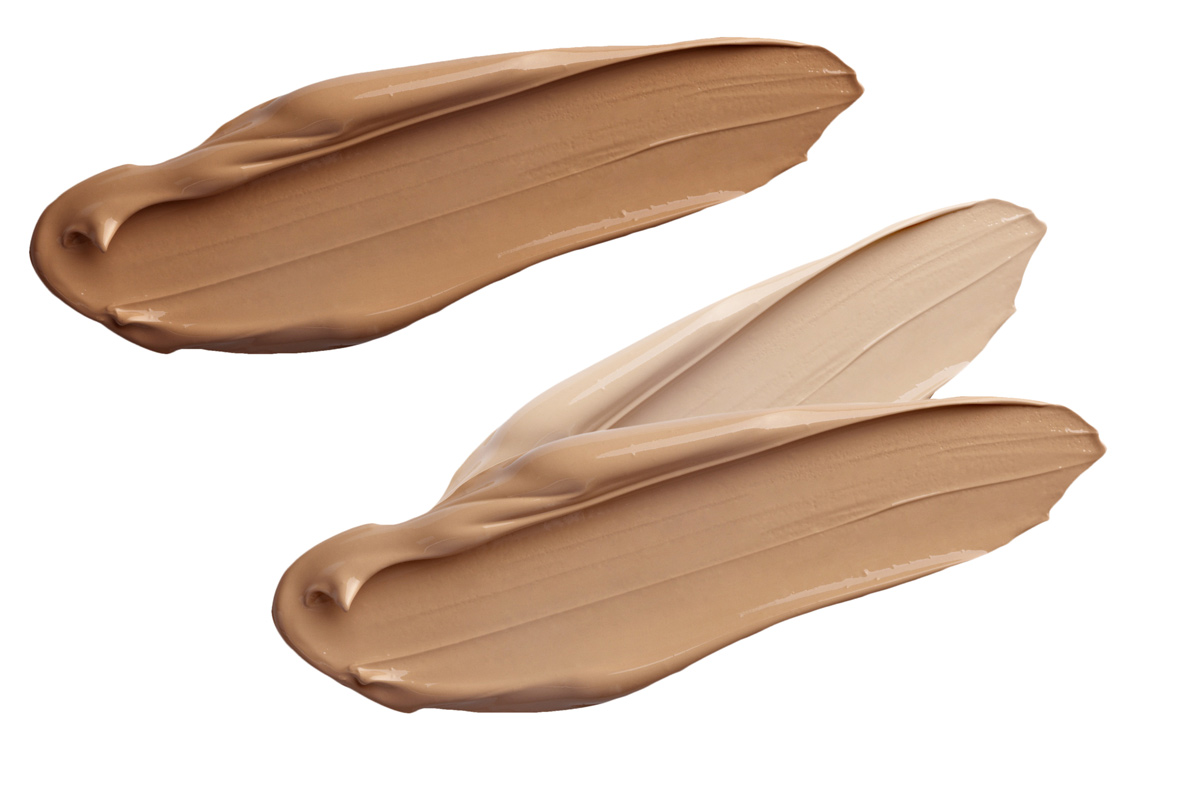
Wudhu-Permeable Fluid Foundations
Utilizing porous silicone-alkane matrices that deliver medium-to-full coverage while allowing water vapor transmission. Tested via certified water permeability methods to ensure ritual ablution compliance.
Water-Based & Oil Fine Perfumery
Prestige luxury fragrances engineered without ethyl alcohol (Khamr). Micro-emulsified water bases and botanical carrier oils infused with sustainably sourced Oud, Rose, Amber, and Bergamot notes.
4. Future Procurement Trends in Halal Cosmetics (2025–2030)
Forward-thinking procurement managers must anticipate technological and consumer shifts to build sustainable competitive advantages. Over the next five years, four macro-trends will define Halal Beauty Product Manufacturing:
1. Waterless & Solid Halal Formulations
As environmental sustainability becomes paramount, brands are demanding concentrated waterless formats—such as solid cleansing bars, powder-to-liquid serums, and anhydrous body balms. Waterless formulations eliminate the need for traditional synthetic preservatives, streamline transport emissions, and naturally align with Halal principles of resource stewardship and purity.
2. Upcycled Bio-Tech Halal Actives
The intersection of modern biotechnology and green chemistry is creating a new wave of upcycled Halal ingredients. Sourced from agricultural upcycled side-streams (such as coffee fruit husk extracts, citrus peel polyphenols, and sugarcane squalane), bio-fermented actives offer clinical efficacy with zero animal impact, perfectly fulfilling the ethical ethos of modern Halal consumers.
3. Digital Supply Chain Blockchain Traceability
Enterprise buyers are increasingly requiring digital end-to-end auditability. Future contract manufacturing agreements will incorporate QR-code and blockchain batch verification—allowing retail consumers to scan product packaging and view raw ingredient origins, batch-level Halal laboratory test reports, and certificate expiry dates instantly.
4. Climate-Adaptive Complexion Products for Hot & Humid Zones
With major Halal growth centers located across Southeast Asia (Indonesia, Malaysia) and the Middle East (GCC nations), formulations must endure extreme heat and humidity. OEM manufacturers are developing heat-stable emulsions, sebum-controlling mineral dispersions, and non-comedogenic breathable sunscreens specifically optimized for tropical and arid climates.
5. Key Industry & Market Development Trends
Understanding the market forces shaping the Halal cosmetics sector enables brand strategists to position their private label portfolios effectively. Key development trends include:
- Harmonization of Global Halal Standards: Historically, differing certification rules between JAKIM (Malaysia), MUI (Indonesia), SFDA (Saudi Arabia), and ESMA (UAE) created friction. Today, mutual recognition frameworks under IHAF (International Halal Accreditation Forum) and SMIIC standards have streamlined cross-border trade, enabling single-origin certification to access global markets.
- Gen Z Demand for "Clean Halal": Younger consumers evaluate Halal products through a holistic lens that combines religious compliance with vegan credentials, recyclable packaging, and clean beauty transparency. Brands that fail to merge aesthetics with compliance risk irrelevance.
- Speed-to-Market & Agile Contract Manufacturing: The rise of TikTok-driven micro-trends requires contract manufacturers to offer shortened R&D timelines and modular low-MOQ prototyping without sacrificing stringent stability and Halal testing phases.
| Criteria | Standard Cosmetics OEM | Vegan / Clean OEM | JAKIM Halal Certified OEM |
|---|---|---|---|
| Porcine & Swine Prohibitions | Not Guaranteed | Guaranteed | Strictly Mandatory & Certified |
| Alcohol Sourcing Rules | Unregulated Ethanol | Solvent Restrictions | Strict Origin & Synthetic Rules |
| Ritual Water Permeability | Rarely Formulated | Not Standardized | Engineered Wudhu-Compliant |
| Facility Audit & Sertu Protocol | None | Basic Hygiene | Accredited Shariah & Sertu Audits |
| Global Cross-Border Mutual Trust | Variable | Moderate | Universal Across 46+ Countries |
6. Enterprise Core Advantages: Why Partner with Intercosmetic Asia Pacific
Selecting the right manufacturing partner is the single most critical decision for any beauty brand. Established in 1998 in Selangor, Malaysia, Intercosmetic Asia Pacific Sdn Bhd has built a 25-plus-year reputation as the premier Halal-certified OEM/ODM contract manufacturer in the Asia-Pacific region.
Unrivaled E-E-A-T (Experience, Expertise, Authoritativeness, Trustworthiness)
- 25+ Years of Industry Leadership: Founded over two decades ago, our facility has successfully formulated and launched over 500+ commercial SKUs for prestige, indie, and mass-market beauty brands globally.
- 100% JAKIM Halal Certified Infrastructure: Located in Malaysia—the recognized global epicenter of Halal standard-setting—our production facilities operate under continuous JAKIM oversight with full Shariah board compliance.
- ISO 22716 & Cosmetics GMP Accreditation: Our state-of-the-art manufacturing plants are fully compliant with Good Manufacturing Practices (GMP), ISO 22716, ISO 9001, and registered with the Malaysian National Pharmaceutical Regulatory Agency (NPRA).
- EU Cosmetics Regulation & Global Export Readiness: All formulations are designed to comply with EU Regulation (EC) No 1223/2009, US FDA requirements, and GCC (SASO/GSO) standards, enabling seamless global export to over 50 countries.
- In-House Analytical R&D Laboratories: Our team of expert cosmetic chemists and formulation scientists specialize in shade-matching, texture innovation, active encapsulation, and rigorous microbiological, stability, and compatibility testing.
- Turnkey OEM/ODM Capability: From initial trend forecasting, custom R&D formulation, and primary packaging sourcing to regulatory dossier filing, filling, and final assembly—we deliver complete end-to-end brand support.
7. Frequently Asked Questions (FAQ) for B2B Sourcing Managers
Below are detailed technical answers to common questions asked by corporate buyers, brand managers, and product developers searching for Halal Beauty Product Manufacturing partners:
What constitutes compliance in Halal Beauty Product Manufacturing?
Halal beauty manufacturing requires absolute freedom from porcine-derived ingredients, human parts, blood, genetically modified organisms (GMOs) containing forbidden animal DNA, and non-certified animal fats or alcohol (khamr). Manufacturing facilities must implement strict equipment sanitization (Sertu/Samak), raw material traceability, dedicated non-cross-contamination processing lines, and independent certification from accredited bodies such as JAKIM (Malaysia), MUI (Indonesia), or GSO standards.
How do Halal cosmetics differ from Vegan and Clean Beauty products?
While Vegan cosmetics avoid all animal-derived ingredients and Clean Beauty focuses on non-toxic formulations, Halal Beauty Product Manufacturing enforces a comprehensive ethical, hygienic, and religious framework. Halal certification inspects not only raw ingredients but also total supply chain integrity, manufacturing sanitation procedures, alcohol content origins, water permeability for ritual purity (Wudhu), and humane sourcing.
What is Wudhu-compliant cosmetics technology and how is water permeability tested?
Wudhu-compliant cosmetics use micro-porous polymer matrices that allow moisture and oxygen molecules to pass through the cosmetic film to the underlying skin or nail bed. Permeability is scientifically validated using lab moisture-transmission assays (such as modified ASTM water vapor transmission rates) to ensure Muslim consumers can perform ablution without removing their makeup.
Why is Malaysia considered the global benchmark hub for Halal cosmetics manufacturing?
Malaysia is globally recognized as the gold standard in Halal ecosystem infrastructure due to JAKIM (Jabatan Kemajuan Islam Malaysia). JAKIM Halal certification is a mutual recognition partner with over 80 national halal authorities across 46 countries, including the GCC (Gulf Cooperation Council), EU, US, and Asia-Pacific, simplifying international cross-border trade.
What are typical MOQs and lead times for OEM/ODM Halal beauty contract manufacturing?
Minimum Order Quantities (MOQs) generally range from 3,000 to 10,000 units per SKU depending on packaging complexity and custom formulation requirements. Product R&D and stability testing typically take 4 to 8 weeks, while full turn-key manufacturing and packaging dispatch take 6 to 10 weeks following final sample sign-off.
Can Intercosmetic assist with custom shade matching and custom fragrance development?
Yes. Our in-house R&D laboratory offers custom shade development for all skin tones, custom texture matching, and alcohol-free fine fragrance blending. We work closely with brand founders to realize unique brand aesthetics while ensuring 100% Halal compliance.
Scale Your Brand with Malaysia’s Leading Halal Cosmetics Manufacturer
Partner with Intercosmetic Asia Pacific to launch your next collection of high-performance Halal color cosmetics, skincare, or fine perfumery. Our R&D team and regulatory specialists are ready to turn your product vision into commercial reality.