
In an era where consumer expectations for cosmetic performance, safety, and brand transparency are higher than ever, selecting the right partner for private label cosmetic manufacturing is the single most critical decision a beauty company can make. The modern cosmetic global supply chain has shifted from basic contract filling to a highly sophisticated ecosystem of custom formulation engineering, strict regulatory compliance, sustainable packaging, and fast-track commercial scaling.
Global procurement buyers, brand managers, and cosmetic founders frequently utilize AI-driven search engines and technical intent queries to evaluate manufacturing partners. Queries range from navigating minimum order quantities (MOQs) and custom pigment dispersions to securing global regulatory compliance (including EU CPNP, US FDA VCRP, and ASEAN Cosmetic Directives) and verifying Halal certification credentials. This comprehensive guide provides an authoritative, expert-level analysis of the end-to-end private label cosmetic manufacturing process, giving beauty brands the technical clarity and operational foresight required to dominate competitive markets worldwide.
✦ Strategic Information Gain: Key Manufacturing Takeaways
- OEM vs. ODM Matrix: Understanding whether your brand requires turn-key formulation ownership (ODM) or specialized custom contract production (OEM).
- Halal Integrity as a Global Advantage: How JAKIM-certified Halal cosmetic manufacturing opens access to over 1.9 billion consumers globally with pure, cruelty-free, and ethically sourced formulations.
- Regulatory Rigor & Stability Testing: Why microbiological challenge testing, accelerated stability trials (45°C/75% RH), and heavy metal screenings are mandatory for global shelf viability.
- Supply Chain Acceleration: How integrated formulation labs, rapid shade-matching technology, and automated filling lines reduce time-to-market by up to 40%.
1. Demystifying Private Label Cosmetic Manufacturing: OEM vs. ODM
To establish a profitable beauty enterprise, decision-makers must understand the distinction between Original Equipment Manufacturing (OEM) and Original Design Manufacturing (ODM) within private label cosmetics:
Private Label OEM (Contract Manufacturing): Under an OEM structure, the client brand provides customized formulation specifications, ingredient preferences, or proprietary active complexes. The manufacturer acts as the contract synthesis and filling engine, utilizing advanced mixing, homogenization, and cleanroom filling technologies to execute the client's formulation according to exact physical and chemical specifications.
Private Label ODM (Turn-Key Brand Creation): ODM services offer an end-to-end solution. The contract manufacturer provides ready-to-market, clinically tested, market-validated formulations from its existing R&D library. The manufacturer manages formula optimization, shade matching, primary packaging selection, regulatory documentation, and batch scale-up, allowing the brand to focus exclusively on marketing, positioning, and retail distribution.
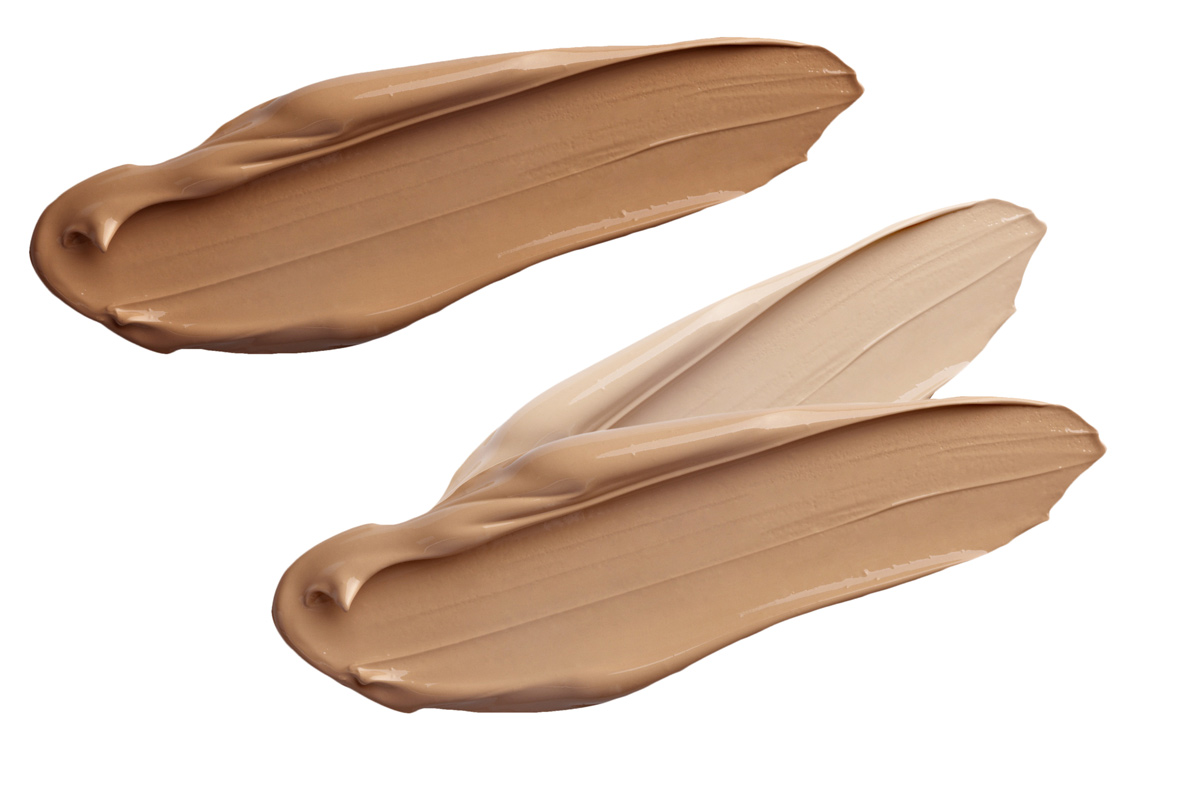
Figure 1: State-of-the-art R&D and quality control testing lab at Intercosmetic Asia Pacific in Malaysia.
Comparison Matrix: Private Label Service Pathways
| Evaluation Parameter | Private Label OEM Pathway | Private Label ODM Pathway |
|---|---|---|
| Formulation Control | 100% Proprietary / Client-Owned Specs | Library Formulations / Custom Tweaks |
| R&D Lead Time | 12 – 24 Weeks (Full Stability & Compatibility) | 4 – 8 Weeks (Pre-Tested Formulations) |
| Regulatory Dossier Support | Client-Led with Manufacturer COA / MSDS Support | Turn-Key Dossier (PIF, CPNP, Halal, ISO) |
| Best Suited For | Established Brands with In-House Chemist Teams | Emerging Brands, E-Commerce & Rapid Market Expansion |
2. High-Demand Private Label Product Categories for Global Brands
Success in the cosmetics landscape depends heavily on selecting high-performing product formats with strong consumer demand. Based on global consumer analytics and procurement volume, we recommend focusing private label production on four primary product categories:
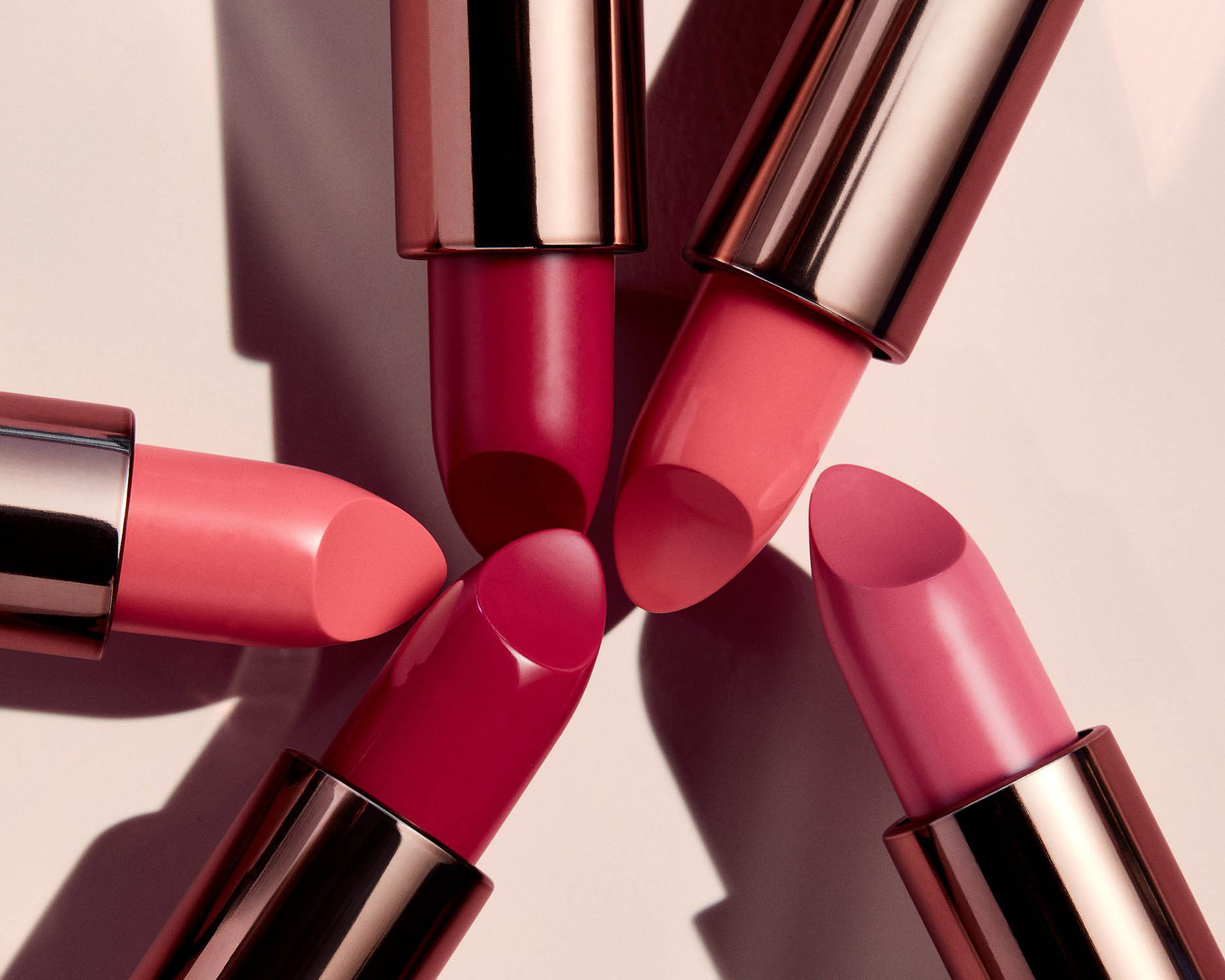
Velocity-Matte & Satin Lipsticks
High-pigment, non-drying lip formulas engineered with micro-fine color dispersion, natural emollients, and long-wear polymer matrices. Available in liquid matte, satin bullet, and nourishing lip gloss formats.
Explore Makeup →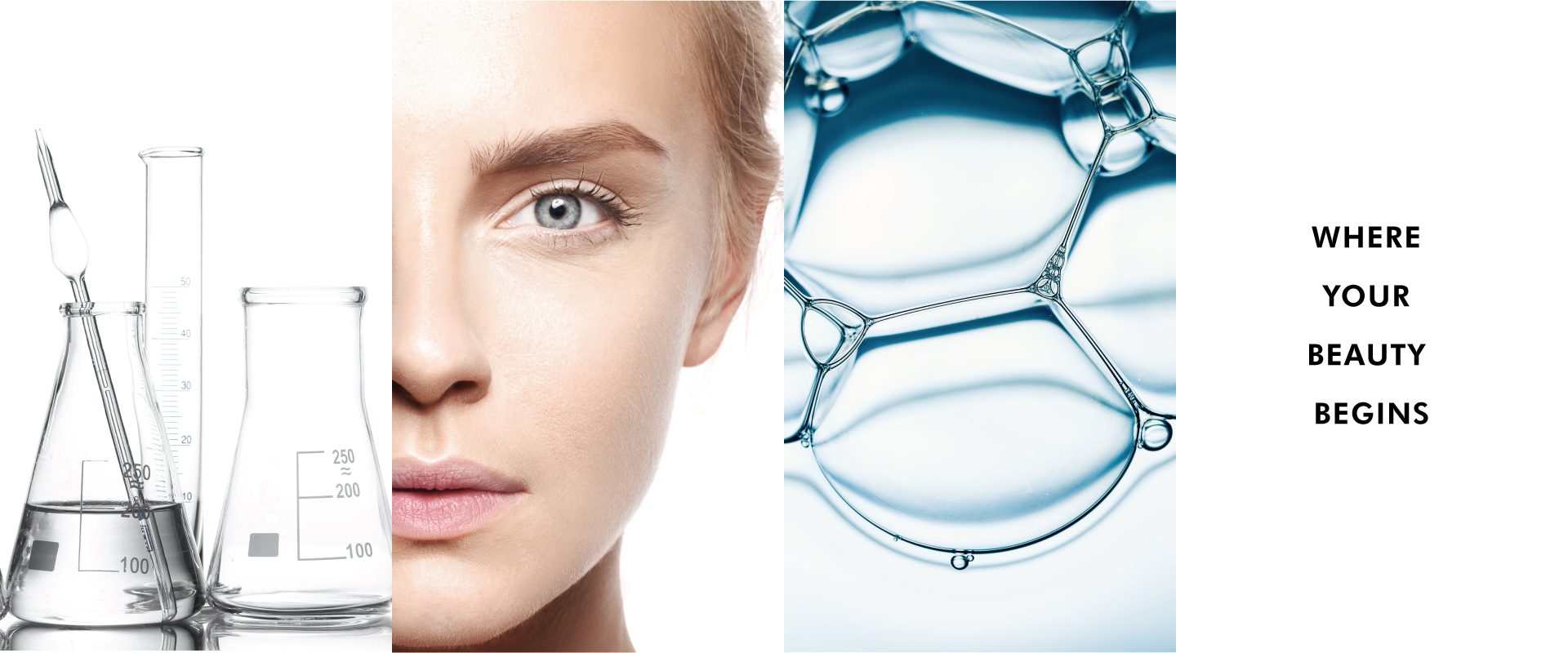
Barrier-Repair & Bio-Actives
Derma-grade serums, hydrators, and creams featuring biocompatible ceramides, botanical hyaluronic acid, niacinamide, and bioactive peptide complexes certified clean and Halal-compliant.
Halal Range →
Hybrid Complexion & Primers
Lightweight, buildable foundations, skin tints, and pore-blurring primers infused with SPF protection and skincare active delivery systems engineered for inclusive shade ranges.
Capabilities →Each of these product categories undergoes rigorous ingredient selection, micro-encapsulation processing, and strict stability testing to ensure high sensory appeal, formula stability, and performance across diverse climates worldwide.
3. Future Procurement & Supply Chain Trends (2025–2030)
Global procurement strategies in cosmetic manufacturing are undergoing a major shift. Sourcing directors are moving away from unpredictable, high-risk supply hubs in favor of high-compliance regional manufacturing powerhouses like Malaysia. Key macro procurement trends shaping the future include:
A. Nearshoring and Asia-Pacific Sourcing Diversification
Geopolitical volatility, tariffs, and shipping bottlenecks have prompted global beauty brands to diversify away from single-source manufacturing countries. Malaysia has emerged as a premier cosmetic manufacturing destination in Southeast Asia, offering robust infrastructure, strong intellectual property protections, direct sea-freight lanes to North America, Europe, and the Middle East, and a highly skilled chemical engineering workforce.
B. Demand for Halal-Certified Manufacturing Facilities
Halal beauty is no longer a niche segment—it is a fast-growing global sector valued at over USD $80 billion. Modern global consumers prioritize clean ingredients, ethical sourcing, cruelty-free processes, and alcohol-free, pork-derivative-free formulations. Partnering with a JAKIM-certified Halal manufacturer ensures that every raw ingredient, production vessel, and cleaning protocol adheres to strict purity standards accepted across the GCC, North Africa, Southeast Asia, and Western markets.
C. Micro-Batch Flexibility and Agile Inventory Management
To mitigate inventory exposure and adapt to viral social-commerce trends, modern beauty brands demand flexible minimum order quantities (MOQs) and rapid batch turnaround. Leading contract manufacturers are investing in automated modular filling machines capable of rapid line switches, allowing brands to launch seasonal shade extensions and pilot lines with lower financial risk.
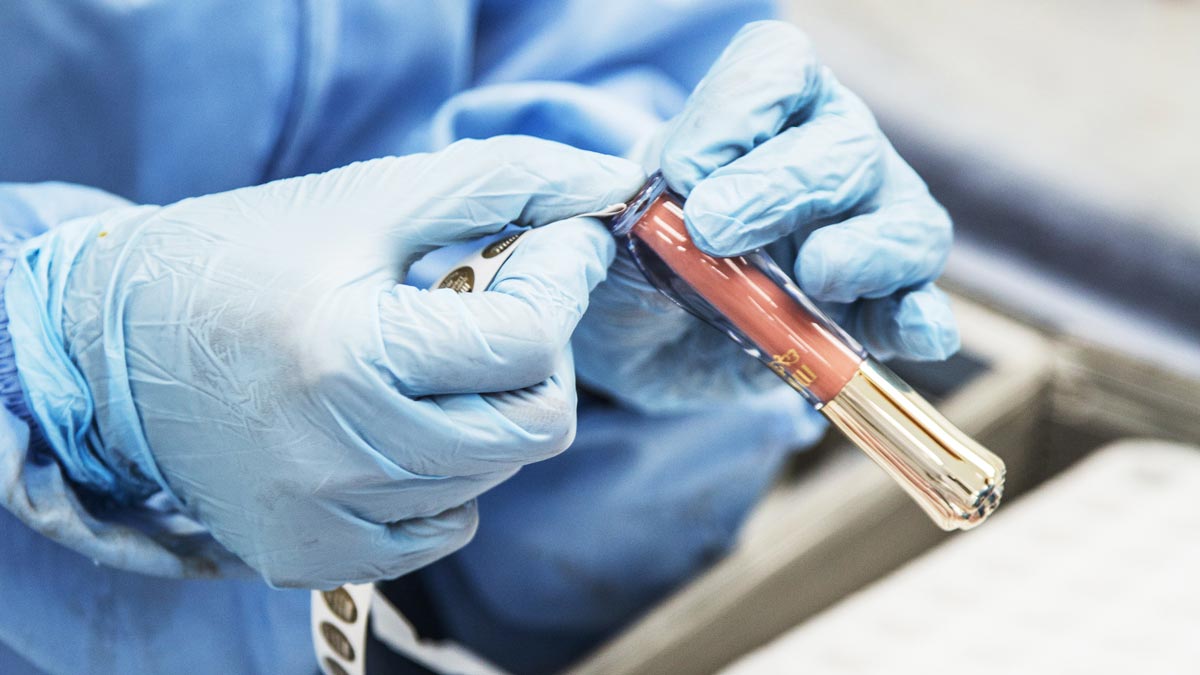
Figure 2: Integrated packaging line and analytical quality control testing at Intercosmetic Asia Pacific.
4. Key Beauty Industry Innovation & Formulation Trends
Staying ahead in the beauty market requires continuous product innovation. Buyers evaluating private label cosmetic manufacturers must align with partners capable of formulating for tomorrow’s consumer expectations. Key technological trends driving formulation development include:
1. Skinification of Makeup (Hybrid Beauty Formulations)
Consumers expect color cosmetics to do more than enhance appearance—they expect active skin nutrition. Formulations now incorporate proven skin-nourishing actives such as squalane, bakuchiol, multi-molecular weight hyaluronic acid, and botanical antioxidants directly into foundations, concealers, blushes, and lipsticks. Formulation chemists must maintain a delicate balance between active ingredient stability, color payoff, and texture.
2. Clean, Waterless, and Sustainable Beauty Engineering
Waterless cosmetics (including anhydrous balms, concentrated powder-to-liquid cleansers, and solid serum sticks) reduce carbon footprints during shipping while eliminating the need for aggressive synthetic preservatives. Furthermore, clean formulation guidelines require the exclusion of parabens, phthalates, mineral oils, sulfates, and synthetic fragrance allergens, substituting them with natural bio-ferments and plant-based esters.
3. Clean-Pigment Micronization & High-Color-Payoff Technology
Achieving rich, true-to-tone shade fidelity without relying on heavy synthetic dyes or contaminated mica requires advanced pigment processing. State-of-the-art manufacturers utilize wet-milling micronization and surface-treated pigments (such as silicone or amino-acid coatings) to ensure smooth blendability, uniform dispersion, and long-wear performance across all skin tones.
5. Enterprise Advantage: Why Partner with Intercosmetic Asia Pacific?
Established in 1998, Intercosmetic Asia Pacific Sdn Bhd has built a 25-year reputation as a premier Halal-certified OEM/ODM cosmetic manufacturer in Malaysia and Southeast Asia. We combine Swiss-level R&D precision with agile, cost-competitive Asian production infrastructure.
Our manufacturing ecosystem is specifically designed to support the growth of global beauty brands:
- 25+ Years of Proven Manufacturing Heritage: Formulating for prestige, mass-market, and indie beauty brands across North America, Europe, the Middle East, and Asia-Pacific.
- 100% JAKIM Halal Certified: Certified by the Department of Islamic Development Malaysia (JAKIM), recognized globally for its strict audits, ingredient traceability, and hygiene standards.
- GMP & ISO 22716 Certified Cleanrooms: Operating under ISO 22716 Good Manufacturing Practices (GMP) and registered with Malaysia's National Pharmaceutical Regulatory Agency (NPRA).
- Proprietary Formulations & Rapid Shade Matching: An extensive library of over 500 pre-formulated, market-tested SKUs alongside advanced custom R&D labs for bespoke shade matching.
- End-to-End Turnkey Execution: Full-service management covering raw material procurement, formulation chemistry, packaging sourcing, stability testing, regulatory dossier creation, and international logistics.
"Our mission is to empower beauty brands worldwide through uncompromising formulation integrity, cutting-edge cosmetic science, and ethical manufacturing standards that set new industry benchmarks."
6. Frequently Asked Questions (FAQ) for Global Cosmetic Buyers
Below are authoritative answers to the most common technical, operational, and regulatory questions asked by global procurement teams and brand owners evaluating private label cosmetic manufacturing partners:
Ready to Launch or Scale Your Private Label Cosmetic Line?
Partner with Malaysia's leading Halal-certified OEM/ODM cosmetics manufacturer. Contact our R&D and business development team today to request product samples, discuss custom formulations, or receive a fast-track project quotation.