Choosing a top Color Cosmetics ODM Manufacturer involves more than comparing product catalogs and factory photos. Global brands need reliable formulation, shade development, packaging coordination, and quality systems. A capable partner turns a brief into a stable lipstick, foundation, blush, or mascara. The process should feel practical. Samples must match approved standards under different lighting, not only on a screen. Small details matter, including cap fit, pigment dispersion, scent, texture, and fill weight. They often reveal manufacturing discipline.
Real experience appears in the questions a manufacturer asks. Does the team understand your target market, skin concerns, price range, and launch schedule? Can it explain ingredient choices without vague promises? Strong partners provide testing records, traceable batch information, stability data, and clear production timelines. Brands should also review facility controls, quality procedures, and regulatory support for each intended market. Requirements differ across regions. Responsible cooperation respects those differences.
No supplier is perfect. A first sample may miss the requested undertone or feel too dry after application. That is not always failure. It can expose gaps in the brief, testing method, or communication process. The better question is how quickly and transparently the team responds. A dependable ODM partner welcomes controlled revisions, records changes, and protects approved specifications. Look beyond attractive presentations. Examine evidence, consistency, and accountability. Trust is built in ordinary moments, such as an accurate shade card, a secure carton, or a batch delivered on time.
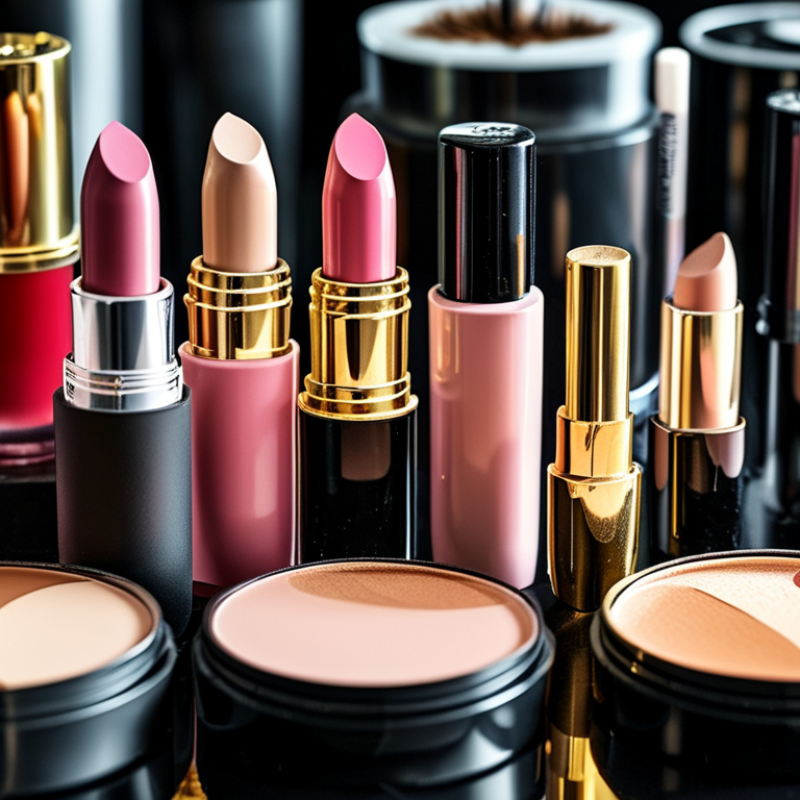
A top color cosmetics ODM manufacturer combines formulation skill, stable production, and transparent quality control. McKinsey’s 2023 beauty market analysis projects the global beauty sector may reach about $580 billion by 2027. This growth increases pressure on suppliers to deliver faster, safer, and more consistent products.
Technical depth matters. A qualified ODM team should manage pigment dispersion, shade matching, texture stability, and packaging compatibility. Independent testing should cover microbiological safety, preservative performance, and product stability. Grand View Research estimated the global color cosmetics market at over $80 billion in 2023, with continued growth expected through the decade. Such scale rewards manufacturers with reliable laboratories and flexible production lines.
Experience appears in small details. A lipstick should apply evenly after repeated opening. A foundation should maintain color under different lighting. Batch records should make every raw material traceable. Good suppliers also explain minimum order quantities, testing timelines, and possible formulation limits before contracts are signed.
No supplier is flawless. That gap matters. Some manufacturers react well to trends but struggle with complex shades or sudden volume changes. Others offer impressive samples but lack consistent mass production. Buyers should inspect pilot batches, audit quality systems, and compare real delivery records. Top performance is not only creative. It is measurable, repeatable, and open to scrutiny.
What makes a top color cosmetics ODM manufacturer valuable to global brands? Its core service is not simply filling lipstick tubes. It converts a brief into a stable, manufacturable product. Grand View Research estimates the global color cosmetics market reached about USD 77.7 billion in 2023. The report also forecasts a 5.8% compound annual growth rate from 2024 to 2030. That growth increases pressure on speed, shade accuracy, and documentation.
A capable ODM partner supports concept development, texture design, shade matching, and ingredient selection. It can create lip, eye, face, and complexion formulas for different consumer needs. Laboratory teams run pilot batches before production. Packaging engineers check compatibility, leakage, decoration, and filling performance. Stability testing, microbiological checks, and batch quality controls should follow documented procedures.
McKinsey’s 2023 beauty-industry analysis projects the broader beauty market could approach USD 590 billion by 2028, making reliable scale increasingly important.
Small details matter. A cap that loosens during transport can damage an otherwise strong launch. A color may shift under store lighting. That assumption fails. Experienced ODM teams compare laboratory samples with controlled lighting, temperature, and packaging conditions. They also prepare technical files for market-specific compliance reviews, without promising universal approval. No formula is perfect on the first trial. Honest feedback, traceable revisions, and clear lead-time communication remain essential services.
Top Color Cosmetics ODM Manufacturer for Global Brands?
Color cosmetics development begins with a clear consumer need, not a copied shade. An experienced ODM team studies pigment behavior, skin feel, coverage, wear time, and packaging compatibility. According to Grand View Research, the global color cosmetics market was valued at approximately USD 70.35 billion in 2023. This scale increases pressure for reliable development, shorter lead times, and consistent quality.
Laboratory work then turns a concept into a controlled formula. Chemists screen pigments, preservatives, oils, waxes, and film-formers. Samples undergo stability testing under heat, cold, humidity, and light. Microbiological testing also checks product safety. ISO 22716-based manufacturing practices help control hygiene, batch records, filling, and storage. Testing cannot predict every real-world experience. A perfect shade on paper may look different under retail lighting.
Production requires repeated checks at every stage. Teams inspect color uniformity, viscosity, fill weight, closure strength, and printed information. Intertek’s global testing data consistently shows that quality failures often involve labeling, packaging, or performance details, not only the formula. That is why pilot batches matter. Small imperfections reveal weak processes early. A formula may need another adjustment. This is normal, and ignoring it is risky. According to McKinsey’s 2023 beauty market analysis, the global beauty industry could reach about USD 580 billion by 2027, making dependable ODM collaboration increasingly important.
| Development Stage | Key Activities | Typical Product Data | Testing and Quality Checks | Primary Records or Outputs |
|---|---|---|---|---|
| 1. Product Brief | Define the product concept, target market, shade range, finish, packaging format, claims, pricing objectives, and expected production volume. | Product type Target use Shade count Package format | Regulatory and feasibility screening; review of intended claims; identification of restricted or prohibited ingredients for the target market. | Approved product brief, preliminary specification, target cost range, and development schedule. |
| 2. Formula Design | Select pigments, binders, emollients, waxes, powders, preservatives, film formers, and other suitable cosmetic ingredients. Develop the formula for the required texture, coverage, adhesion, and finish. | Ingredient function Pigment system Texture Finish | Ingredient compatibility review, formula calculations, color matching, odor assessment, and preliminary physical evaluation. | Formula version, raw-material list, processing concept, and laboratory sample. |
| 3. Laboratory Prototyping | Produce small laboratory batches using controlled mixing, grinding, heating, cooling, pressing, filling, or emulsification processes, depending on the product format. | Batch size Processing temperature Mixing time Filling method | Appearance, color, odor, texture, spreadability, payoff, viscosity where applicable, and preliminary package compatibility. | Prototype samples, laboratory test results, adjustment notes, and sample approval record. |
| 4. Shade Development | Build the shade range through pigment selection and controlled adjustment of hue, value, chroma, opacity, undertone, and finish. | Shade name or code Color standard Opacity Undertone | Visual comparison under controlled lighting; instrumental color measurement may be used for consistency monitoring. Application testing evaluates payoff and blendability. | Approved shade standard, shade master sample, color tolerance, and shade formula set. |
| 5. Packaging Compatibility | Match the formula with the container, closure, applicator, pan, compact, tube, pump, or other primary packaging components. | Material type Fill volume or weight Closure system Applicator | Leakage, closure function, dispensing performance, package deformation, component interaction, odor transfer, and product appearance after contact with packaging. | Packaging specification, compatibility report, component approval, and filling instructions. |
| 6. Safety and Microbiology | Assess the formula and manufacturing process against applicable cosmetic safety and microbiological requirements for the intended market. | Formula safety Microbial limits Preservation system Claims support | Microbiological quality testing, preservative efficacy testing when relevant, safety assessment, and review of restricted substances and impurities. | Safety assessment documents, microbiological report, ingredient compliance review, and claim-support file. |
| 7. Stability Testing | Store samples under defined environmental conditions to evaluate changes in physical appearance, color, odor, texture, performance, and package interaction over time. | Storage condition Test duration Sampling interval Acceptance criteria | Observation of phase separation, caking, sweating, cracking, drying, liquefaction, color shift, odor change, viscosity change, and package failure. | Stability protocol, time-point results, deviation records, and recommended shelf-life or storage guidance. |
| 8. Pilot Batch | Scale the approved laboratory formula to a controlled pilot quantity to confirm processing parameters, equipment suitability, yield, filling performance, and operator instructions. | Pilot batch size Yield Process parameters Line performance | In-process checks for weight, homogeneity, color, appearance, fill accuracy, component fit, and batch-to-batch consistency. | Pilot batch report, validated or confirmed process parameters, master manufacturing instructions, and packaging instructions. |
| 9. Production and In-Process Control | Manufacture, fill, assemble, label, and pack the product under documented procedures and controlled environmental and hygienic conditions. | Batch number Net content Line clearance Production yield | Line clearance, raw-material verification, equipment checks, fill-weight control, visual inspection, reconciliation, and documented deviation handling. | Batch manufacturing record, batch packaging record, in-process inspection records, and production reconciliation. |
| 10. Finished Product Release | Review manufacturing, packaging, laboratory, and inspection records before authorizing the finished batch for shipment. | Final specification Release status Retain sample Traceability | Finished-product testing may include appearance, color, odor, texture, net content, microbiological quality, and other specification-specific checks. | Certificate of analysis where applicable, quality release approval, retained sample, and shipment documentation. |
| 11. Compliance and Market Documentation | Prepare product information and technical documents required for the intended market, including ingredient labeling and supporting evidence for product claims. | INCI ingredient list Warnings Directions Country requirements | Label review, claims substantiation review, packaging artwork check, and regulatory document verification. | Product information file or equivalent technical dossier, approved artwork, ingredient declaration, and market-specific compliance checklist. |
| 12. Continuous Quality Improvement | Monitor complaints, returns, stability observations, supplier changes, process deviations, and production trends to maintain consistent product quality. | Complaint trend Corrective action Supplier change Process review | Root-cause analysis, corrective and preventive action, change control, ongoing stability review, and periodic quality evaluation. | Complaint investigation, CAPA record, change-control document, revised specification, and improvement report. |
Quality is more than a smooth texture or attractive shade. McKinsey’s 2023 beauty industry analysis projects the global beauty market could reach about 580 billion dollars by 2027. This growth increases pressure on ODM manufacturers to prove safety, consistency, and regulatory control across regions.
The European Commission’s Safety Gate 2023 report recorded 3,412 product alerts. Cosmetics represented 32% of reported cases. That figure makes documentation impossible to treat as paperwork alone. A reliable ODM partner should operate under ISO 22716 principles, with controlled weighing, clean equipment, trained operators, and batch-level traceability. Each formula also needs stability testing, microbiological evaluation, packaging compatibility checks, and evidence for product claims.
Regulatory preparation must match the destination market. The EU requires a Product Information File, Cosmetic Product Safety Report, and CPNP notification. In the United States, the Modernization of Cosmetics Regulation Act adds facility registration, product listing, and serious adverse event reporting duties. Other markets may demand different ingredient limits, labels, or responsible-person arrangements.
Small details matter. A retained sample should match the released batch. A color shift after heat cycling should trigger investigation, not excuses. One weakness deserves honesty: no manufacturing system is perfect. Supplier changes, raw-material variation, and human error can still create risk. Strong manufacturers reduce that risk through audits, corrective actions, electronic records, and transparent communication with regulatory specialists.
Choosing the right color cosmetics ODM partner requires more than comparing sample shades or factory photos. McKinsey & Company’s The Beauty Market in 2023 projects approximately 6% annual beauty-market growth through 2027. That pace increases pressure on speed, consistency, and product flexibility. Circana reported that U.S. prestige beauty sales grew 14% in 2023, reaching $31.7 billion. Demand is becoming more segmented. A reliable ODM should therefore support small pilot runs, fast shade development, and controlled scaling.
A glossy sample is not enough. Experienced teams inspect pigment dispersion, packaging compatibility, stability testing, and batch records. Ask who owns the formula. Ask how changes are documented. Request evidence of ISO 22716-aligned manufacturing practices and independent testing.
Supplier evaluation should combine factory visits, technical interviews, and documented quality metrics. Review corrective-action records, not only audit certificates. Require production samples from different batches. Compare shade accuracy under daylight and store lighting. Track fill weight, microbial results, lead times, and complaint response. These details reveal operational maturity.
Yet, public reports rarely show the daily weaknesses inside a production line. No scorecard is perfect. A pilot batch can expose problems that presentations conceal. Record every deviation, including minor color shifts or delayed approvals. If the ODM explains failures clearly, trust may improve. If answers remain vague, reconsider the partnership.
The strongest manufacturer is not always the largest one. Sometimes, a responsive technical team creates greater value than unused capacity. That distinction deserves careful reflection before signing a long-term agreement.
It combines formulation expertise, stable production, and transparent quality controls. Results must be repeatable. Buyers should inspect records, samples, and delivery performance.
Core services include concept development, texture design, shade matching, ingredient selection, and packaging support. The team should convert a brief into a manufacturable product. Not just fill containers.
Samples undergo stability testing under heat, cold, humidity, and light. Microbiological checks assess product safety. Testing also examines preservatives, texture, color, and wear performance.
Pilot batches expose process weaknesses before large-scale production. Teams can check color uniformity, viscosity, fill weight, and closure strength. Small flaws matter.
They should compare samples under controlled lighting and real packaging conditions. A shade may change under store lights. Paper accuracy is not enough.
Engineers should test leakage, compatibility, decoration, filling, and cap strength. A loose cap can damage products during transport. Packaging deserves equal attention.
Batch records should identify raw materials, production steps, testing results, and revisions. Technical files may support market-specific compliance reviews. Universal approval cannot be promised.
They should confirm minimum order quantities, testing timelines, lead times, and formulation limits. Clear communication prevents expensive surprises. Some assumptions fail.
No. Buyers should inspect pilot batches, quality systems, and real delivery records. A beautiful sample may hide inconsistent mass production. That risk needs reflection.
Usually not. Pigment behavior, texture, packaging, and stability may require several revisions. Honest feedback improves the result. Perfection is not guaranteed.
A top Color Cosmetics ODM Manufacturer combines creative product development, technical expertise, reliable production, and strong quality management to help global brands bring competitive makeup products to market. Its core services may include trend research, shade and texture development, formula customization, packaging support, prototype creation, stability testing, and scalable manufacturing. From the initial concept to finished products, an experienced ODM partner manages each stage with clear processes, careful documentation, and consistent communication.
Quality and regulatory compliance are essential throughout development and production. Products should undergo appropriate safety, stability, compatibility, and performance evaluations, while facilities follow recognized quality systems and manufacturing practices. When selecting an ODM partner, global brands should assess formulation capabilities, testing resources, production capacity, supply-chain reliability, customization flexibility, communication efficiency, and experience with international market requirements. The right partner can provide dependable support, reduce development risks, and help deliver safe, appealing, and market-ready color cosmetics.