Cosmetics Insights & Industry Trends

Beauty Knowledge.
Global Standards.

Formulation & Innovation

Visionary Vogue.
Cosmetic Science.

Colour Cosmetics & Private Label

Formulation Insights.
Expert Advice.

Halal Certified — Global Standards

Pure Beauty.
Expert Manufacturing.

01 / 04
0%

Global beauty buyers are demanding products that feel personal, perform consistently, and meet local expectations. Custom Makeup Formulation responds to that shift, but customization involves more than choosing a shade or adding a logo. It requires controlled decisions about pigments, textures, preservatives, packaging, claims, and market-specific compliance.

McKinsey’s 2023 beauty report projected the global beauty market could reach approximately $580 billion by 2027. The report also identified personalization and premium product experiences as important growth drivers. Grand View Research has similarly reported continued expansion in color cosmetics, supported by online discovery and changing consumer preferences. These figures indicate opportunity, not guaranteed success. A beautiful prototype can still fail during stability testing, transport, or regional review.

Cosmetic chemist Kelly Dobos describes formulation as “part science, part art, and part detective work.” That perspective matters for international buyers. A foundation may separate after temperature cycling. A cream blush may lose payoff under different filling conditions. A botanical extract may create an avoidable documentation problem. Small details become expensive quickly.

This guide presents seven practical tips for Custom Makeup Formulation, from defining the target user to verifying performance, packaging compatibility, and regulatory documentation. Each tip supports clearer communication between buyers, formulators, manufacturers, and quality teams. However, no formula is perfect on paper. Testing must challenge assumptions, especially when products will cross climates, supply chains, and consumer habits. Careful buyers should ask uncomfortable questions early, even when the sample looks flawless.
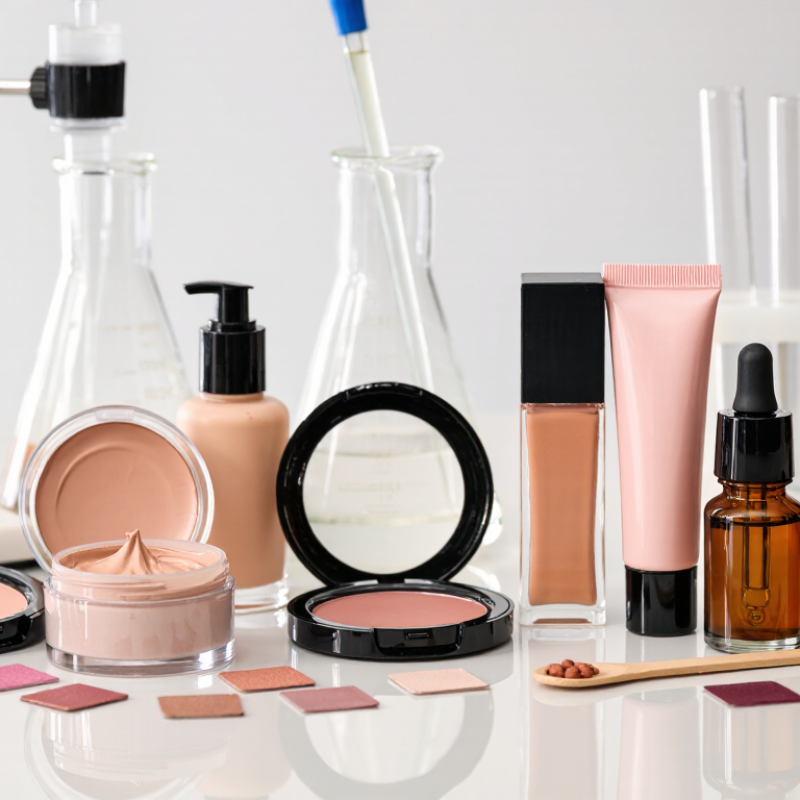
7 Custom Makeup Formulation Tips for Global Buyers

Define Target Markets, Users, and Product Requirements

7 Custom Makeup Formulation Tips for Global Buyers

Define the target market before discussing ingredients. McKinsey’s 2023 beauty industry analysis estimates the global market may reach $580 billion by 2027. Growth is uneven, however. Climate, income, beauty routines, and local regulations shape demand.

Tip 1: Select one launch region.
Tip 2: Describe the user precisely, including age, skin tone, skin type, and application habits. “All users” is not a useful brief. I have seen broad briefs create expensive reformulation cycles.

Tip 3: Convert user needs into measurable requirements. Specify coverage, finish, wear time, fragrance preference, shade range, and removal method.

Tip 4: Test formulas under realistic conditions, such as humid commutes or dry indoor air.
Tip 5: Review pigments, preservatives, allergens, packaging, and claims with qualified regulatory specialists. Requirements differ across markets, so one global formula may need adjustments.

Tip 6: Build a representative panel, including deeper skin tones and sensitive-skin users. Circana’s 2024 beauty insights highlight continued demand for products supporting individuality and inclusive experiences. Yet inclusion should be tested, not simply advertised.

Tip 7: Run a controlled pilot, record consumer feedback, and compare batch results. Keep evidence for stability, safety, shade consistency, and performance. Some assumptions will fail. That is useful data, not wasted work.

Select Compliant Ingredients for Regional Safety Standards

7 Custom Makeup Formulation Tips for Global Buyers

Select compliant ingredients for each target market before adjusting color, texture, or fragrance. A pigment approved in one region may require different documentation elsewhere. Check current ingredient restrictions, allergen rules, impurity limits, and labeling requirements. Use recognized ingredient names and maintain complete supplier records. Clear records matter.

Tip: Build a regional compliance checklist. Include ingredient status, concentration limits, required warnings, and supporting safety data. Confirm every update with a qualified regulatory specialist, because rules can change during development.

A practical formula review should examine more than the ingredient list. Test stability under heat, humidity, light, and repeated opening. Evaluate microbial safety, packaging compatibility, and user tolerance. For eye or lip products, apply stricter controls because accidental exposure is possible. Small details become serious quickly.

Tip: Request current certificates, specifications, allergen statements, and contaminant results from each supplier. Do not rely on an old document. It may no longer reflect the material or regional requirements.

Global customization also requires honest communication. Avoid claims such as “safe for everyone” unless strong evidence supports them. A product may perform well in laboratory testing yet feel uncomfortable on some skin types. That gap deserves review, not dismissal. Reformulation is sometimes necessary, even when the original texture seems excellent. Safety should guide the final decision, while local experts verify market-specific compliance before launch.

7 Custom Makeup Formulation Tips for Global Buyers: Select Compliant Ingredients for Regional Safety Standards

This comparison summarizes four core pre-market compliance actions commonly required for a standard cosmetic product pathway: safety substantiation, a product information or technical dossier, authority notification or listing, and a locally accountable responsible party. Requirements can vary by product category, business size, and intended claims.

Reference frameworks: EU Regulation (EC) No 1223/2009, the U.S. Modernization of Cosmetics Regulation Act of 2022, and China’s Cosmetic Supervision and Administration Regulation.

Balance Shade, Texture, Performance, and Skin Compatibility

7 Custom Makeup Formulation Tips for Global Buyers

Balance Shade, Texture, Performance, and Skin Compatibility

Custom makeup development works best when shade, texture, performance, and skin compatibility move together. Start with regional undertone research. Warm, cool, olive, and deeper complexions need more than simple light-to-dark adjustments. Test shades under daylight, indoor lighting, and mobile cameras. Small oxidation changes can become obvious after several hours.

Choose texture according to climate and user habits. A lightweight cream may suit humid markets, while dry regions may need more flexible emollience. Check slip, blendability, setting time, and transfer resistance on real skin. Do not judge texture from a laboratory swatch alone. It feels different on cheeks, lips, and eyelids. Then test packaging compatibility, because pumps and tubes can alter dispensing and product stability.

Performance claims should come from documented testing, not attractive wording. Use stability checks, microbial assessments, and controlled wear trials. Include participants with varied skin tones and sensitivities, where ethically appropriate. Screen ingredients against destination-market requirements and keep technical records accessible. A patch test is useful, but it cannot predict every reaction. No first sample is perfect. Reformulation may reveal a trade-off between coverage and comfort. Record that weakness honestly, then adjust pigment load, film formers, or conditioning agents. Consistent batch controls help buyers trust the final formula.

Validate Stability, Packaging, and Product Shelf Life

7 Custom Makeup Formulation Tips for Global Buyers

Validate Stability, Packaging, and Product Shelf Life

Global buyers should treat stability as a development checkpoint, not a final laboratory formality. A custom makeup cream may look perfect at 22°C, yet separate after weeks in humid storage. Set climate conditions that reflect shipping routes, warehouses, and consumer bathrooms. Use accelerated aging, freeze-thaw cycles, centrifuge testing, and real-time observation. Do not rely on one passing batch. Repeat the test.

Packaging needs equal attention. Check pumps, caps, seals, wipers, and inner coatings for leakage, swelling, cracking, or product absorption. Fill samples into final packaging, not only glass laboratory jars. Measure dose consistency after repeated use and inspect the package at each time point. Clear or flexible materials can change appearance, odor, or texture perception. A compatibility failure often appears slowly. That delay is easy to underestimate.

Shelf life should come from documented evidence, including physical, chemical, microbiological, and packaging results. Track color, odor, viscosity, pH, separation, microbial quality, and net content. Keep retain samples from every meaningful production lot. One weakness in our earlier workflow was treating accelerated data as a complete answer. It was not. Real-time studies still matter, especially when storage conditions vary across regions. Buyers should request clear protocols, acceptance limits, raw data, and planned review dates.

Prepare Testing, Documentation, and Scalable Production Plans

7 Custom Makeup Formulation Tips for Global Buyers

Prepare Testing, Documentation, and Scalable Production Plans

Global buyers need more than attractive swatches. Grand View Research valued the global color cosmetics market at USD 70.7 billion in 2023. That growth increases pressure on safety, consistency, and delivery.

Tip one: define the target user, climate, finish, and shade range before formulation.

Tip two: screen pigments against destination-market requirements.

Tip three: test stability under heat, cold, light, and repeated opening.

Tip four: match microbial testing to the formula. Water-based products need stronger controls than pressed powders.

Tip five: build a complete technical file. Include the INCI list, specifications, allergen review, safety assessment, batch records, certificates of analysis, and claim evidence. Use ISO 22716 principles for good manufacturing practice.

Cosmetics Europe reported European cosmetics and personal care retail sales of about €88 billion in 2023. Local documentation is therefore not a minor administrative task. It can determine market access.

Tip six: run packaging compatibility tests. Check leakage, odor transfer, cap torque, and shade changes after transport.

Tip seven: scale through a controlled pilot batch. Record mixing speed, temperature, fill weight, yield, and cleaning steps. Reserve samples from each batch.

I have seen a perfect laboratory shade fail during filling. The cause was often overlooked viscosity. Our planning can still miss real factory friction.

Review formulas after pilot data, not only after a successful sample. A written change-control process protects quality when suppliers, pigments, or equipment change.

FAQS

Why should a cosmetic product target one launch region first?

Climate, income, routines, and regulations vary widely. One region creates clearer requirements and fewer reformulation surprises.

How should the intended user be described?

Define age, skin tone, skin type, and application habits. “All users” is too vague. It weakens testing.

Which product requirements should be measured?

Specify coverage, finish, wear time, fragrance preference, shade range, and removal method. Vague goals cause confusion.

What real-life conditions should formulas be tested under?

Test humid commutes, dry indoor air, heat, humidity, light, and repeated opening. Laboratory results alone may not reflect daily use.

How can regional ingredient compliance be managed?

Create a checklist covering restrictions, concentration limits, warnings, and safety documents. Confirm changes with qualified specialists.

What supplier records should be requested?

Request current certificates, specifications, allergen statements, and contaminant results. Old documents may no longer be reliable.

Who should join the product testing panel?

Include deeper skin tones and sensitive-skin users. Test inclusion directly, rather than relying only on advertising language.

What should a controlled pilot record?

Record consumer feedback, batch results, stability, safety, shade consistency, and performance. Some assumptions will fail. That is useful data.

Conclusion

Custom Makeup Formulation gives global buyers a structured way to develop products that meet market expectations while remaining practical for production. The process begins by defining target regions, user preferences, skin types, product formats, and performance goals. Buyers should then select ingredients that align with regional safety requirements and carefully balance shade accuracy, texture, coverage, wear, comfort, and skin compatibility. These decisions help create makeup that performs consistently across different climates and consumer needs.

Before launch, each formula should be evaluated for stability, packaging compatibility, and expected shelf life under relevant storage conditions. A complete testing and documentation plan can support product quality, regulatory review, and clear communication with manufacturing partners. Finally, scalable production should be considered from the early development stage, including ingredient availability, batch consistency, quality controls, and realistic manufacturing timelines. This approach helps global buyers reduce development risks and build dependable makeup products for diverse markets.

Evelyn

Evelyn

Evelyn is a dedicated marketing professional with a deep understanding of the company’s products, customers, and evolving market needs. Through clear communication and thoughtful storytelling, Evelyn helps translate complex product features into practical value for businesses and everyday users.......