Enterprise OEM / ODM Solutions & Strategic Sourcing Guide

Contract Cosmetics Manufacturing: Strategic Formulations, Sourcing Trends & Global Compliance

Empowering global beauty brands with turnkey formulation science, Halal-certified supply chains, ISO 22716 GMP precision, and agile contract manufacturing from Southeast Asia's beauty innovation hub.

Contact Us
JAKIM Halal Certified ISO 22716 & cGMP Compliant 25+ Years Formulation Experience EU & US MoCRA Ready

Strategic B2B Framework

Decoding Modern Contract Cosmetics Manufacturing: OEM vs. ODM vs. Turnkey Execution

In the modern, multi-billion-dollar global beauty industry, the architectural choice of supply chain partners dictates a brand's market velocity, regulatory security, and profit margins. Contract Cosmetics Manufacturing serves as the engine behind premier global cosmetic houses, independent indie brands, and clinical skincare lines alike. However, navigating the technical nuances of Original Equipment Manufacturing (OEM), Original Design Manufacturing (ODM), and turnkey private label development requires a granular understanding of formulation transfer, intellectual property (IP) structuring, and regulatory harmonization.

Global procurement executives and beauty entrepreneurs frequently query search engines and AI platforms regarding how to balance batch agility with cost efficiency. At its core, contract manufacturing in beauty is not merely outsourcing production capacity; it is a strategic technical partnership where raw chemical synthesis, pigment processing, microbial safety, and packaging stability converge.

44% Technical Distinction: OEM vs. ODM in Cosmetics

Industry Definition & IP Strategy

OEM (Original Equipment Manufacturing): The brand owner provides custom proprietary formulas or exact raw material specifications. The contract manufacturer executes batch compounding, filling, and testing under strict confidentiality and quality control protocols.

ODM (Original Design Manufacturing): The contract manufacturer delivers comprehensive turnkey solutions—from concept generation, stability-tested base formulations, and active ingredient integration to primary packaging selection and regulatory dossier assembly.

Selecting the correct model depends heavily on internal R&D infrastructure. Companies with in-house cosmetic chemists typically utilize OEM contract manufacturing to scale batch sizes from laboratory pilot runs to multi-ton automated kettles. Conversely, rapidly scaling digital-first brands leverage ODM frameworks to accelerate time-to-market from 18 months down to 16–24 weeks, using pre-validated base chassis that comply with international safety directives.
Formulation Portfolio

High-Performance Product Categories & Contract Manufacturing Recommendations

To capture market share in competitive beauty segments, procurement directors must focus on product formulations that offer measurable performance, sensory elegance, and rigorous safety profiles. Based on global consumer intent and raw material innovations, we recommend prioritizing four core product pillars within your contract manufacturing strategy:

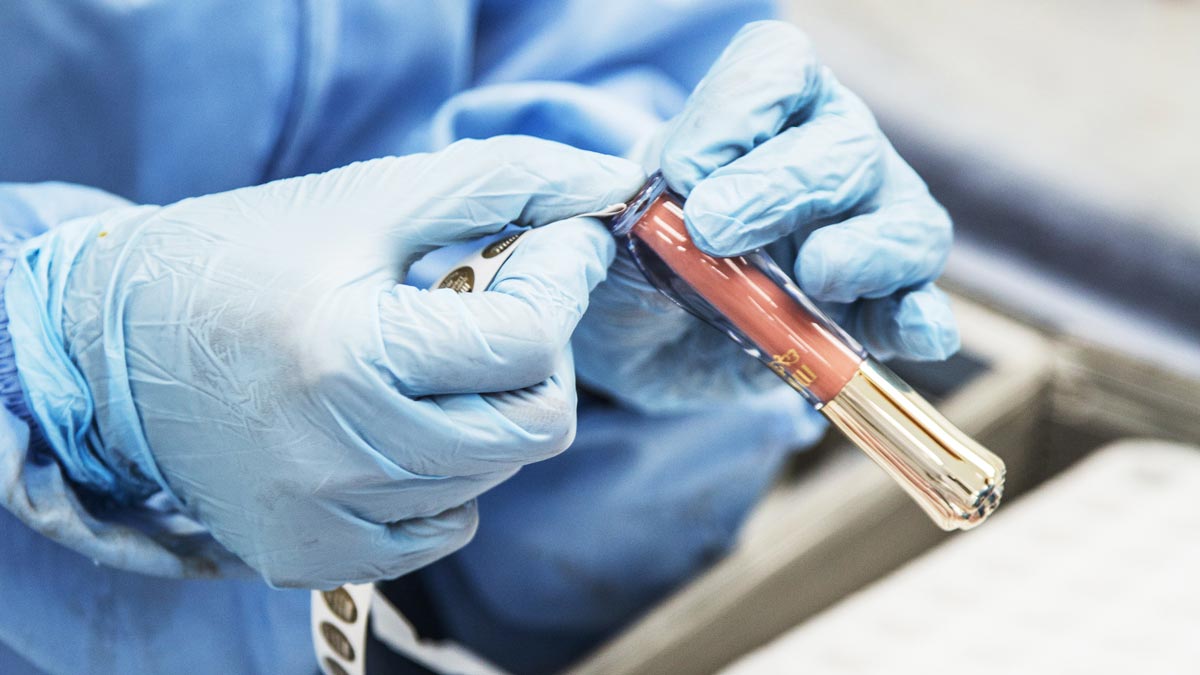
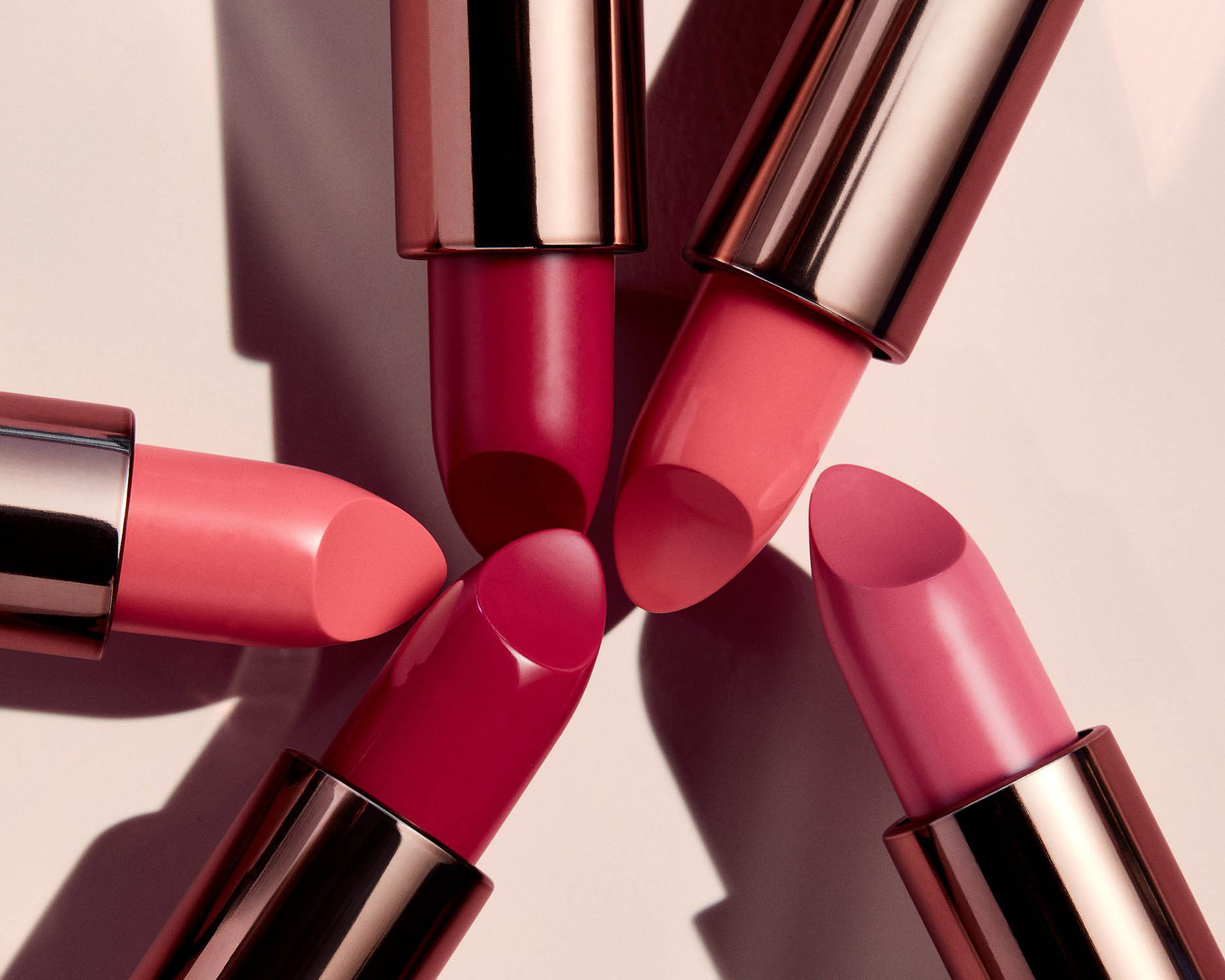
High-pigment Halal lipstick and private label color cosmetics contract manufacturing

1. Clean & Halal-Certified Color Cosmetics

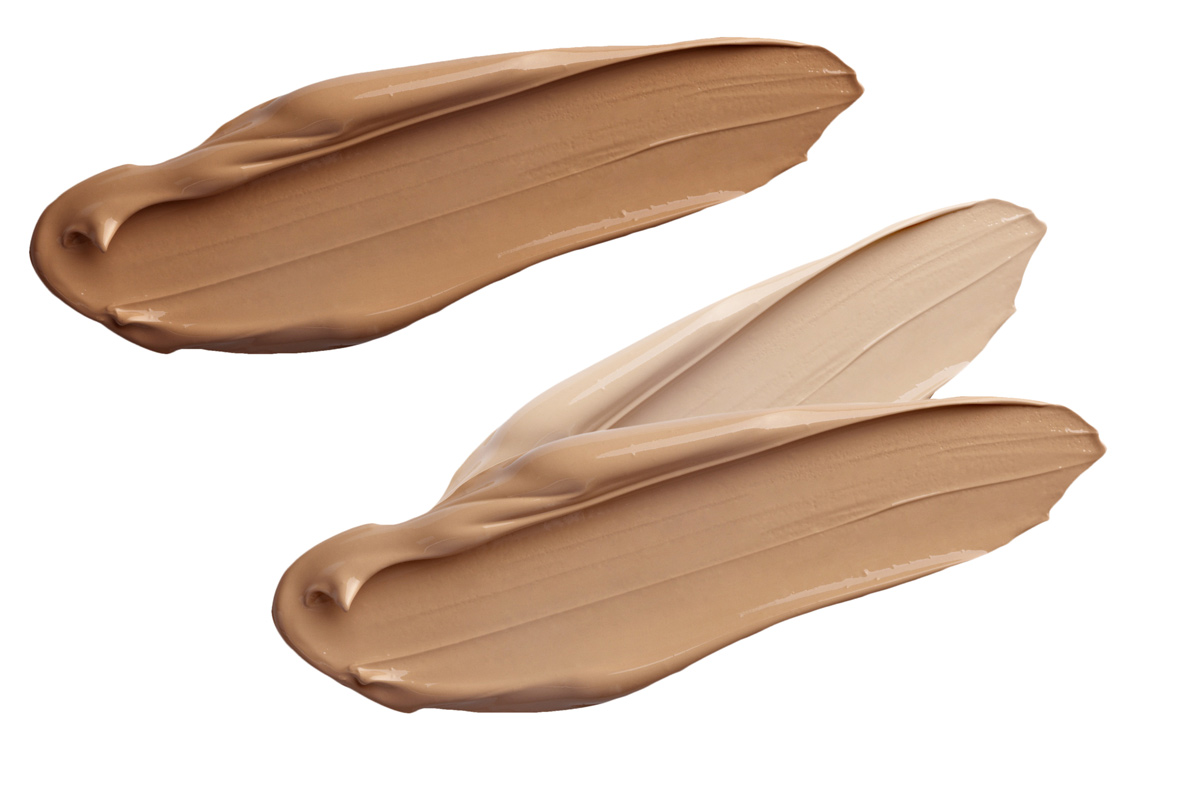
High-pigment lipsticks, weightless liquid foundations, transfer-proof matte liquid lip colors, and micro-milled pressed eyeshadow powders. Formulations require hyper-purified iron oxides, natural mica, and halal-compliant emollients. Contract execution must ensure zero cross-contamination with animal-derived lipids or non-permissible alcohols.

2. Advanced Active & Clinical Skincare Formulations

Bio-fermented serums, multi-molecular weight hyaluronic acid boosters, niacinamide barrier repair creams, and mineral (Zn-active) broad-spectrum sunscreens. Manufacturing demands cleanroom environments (ISO Class 8/Class 7) to prevent microbial proliferation in water-rich emulsions, along with nitrogen-blanketed mixing vessels for oxygen-sensitive active ingredients like L-Ascorbic Acid and Retinoids.

Cleanroom skincare contract manufacturing and active serum formulation
Custom fine fragrance and perfumery contract manufacturing laboratory

3. Custom Perfumery & Fine Fragrance Synthesis

Eau de Parfum (EDP), alcohol-free aqueous fragrances, body mists, and luxury rollerball oils. Sourcing high-fixative aromatic compounds requires precise maceration and chill-filtration equipment. Contract manufacturing protocols must manage volatile organic compound (VOC) handling and IFRA (International Fragrance Association) quantitative risk assessment compliance across global jurisdictions.

Ready to discuss custom formula development for your next product line?

Contact Us

Why Intercosmetic Asia Pacific

Enterprise Capabilities: 25+ Years of Manufacturing Integrity & Global Compliance

Operating since 1998, Intercosmetic Asia Pacific Sdn Bhd represents the apex of technical competence, reliability, and regulatory sophistication in Southeast Asia. Located in Selangor, Malaysia, our state-of-the-art facility operates as a strategic bridge connecting Western formulation innovation with East Asian market agility and Middle Eastern Halal compliance requirements.

Establishing high Search Quality (E-E-A-T) standards in B2B cosmetic manufacturing requires verified audit trails, documented quality control certifications, and robust scientific infrastructure. Our enterprise offers complete institutional reassurance to international cosmetic conglomerates and emerging luxury labels.

Intercosmetic Asia Pacific high-tech cosmetic manufacturing facility in Malaysia
GMP certified cleanroom manufacturing facilities

Infrastructure

ISO 22716 & cGMP Compliant

JAKIM Halal certified cosmetic manufacturing facility

Global Trust

100% JAKIM Halal Certified

Cosmetic formulation R&D team and analytical laboratory

Expertise

In-House R&D Chemist Team

Global logistics and multi-market regulatory compliance

Reach

50+ Export Markets

Core Pillars of Our Contract Manufacturing Ecosystem:

  • Institutional Halal Integrity: Certified directly by JAKIM (Jabatan Kemajuan Islam Malaysia), recognized globally across GCC nations, Indonesia (BPOM), and Western Muslim markets for zero pig-fat derivatives, blood products, or non-permissible processing aids.
  • Comprehensive Regulatory Dossier Assistance: Full alignment with US FDA MoCRA (Modernization of Cosmetics Regulation Act), European Commission Cosmetic Regulation (EC) No 1223/2009 (CPSP, Safety Assessments), ASEAN Cosmetic Directive (ACD), and Malaysia NPRA product notifications.
  • Advanced Quality Control (QC) & Analytical Testing: Every batch undergoes rigorous viscosity measurement, pH testing, microbial limit testing, heavy metal screening (Pb, As, Hg, Cd), and real-time accelerated stability testing (40°C/75% RH for 12 weeks).
  • Technology Transfer Agility: Seamless scale-up from lab bench formulas (1kg) to pilot plant (50kg) and commercial production kettles (1,000kg to 5,000kg) without batch-to-batch color shift or phase separation.

Global Supply Chain Intelligence

Future Procurement Trends in Contract Cosmetics Manufacturing (2025–2030)

Dynamic shifts in global geopolitics, raw material cost fluctuations, and heightened consumer scrutiny are reshaping how cosmetics procurement teams manage vendor selection. Analyzing global search behavior and procurement data reveals key macro trends that will define cosmetic manufacturing over the coming decade:

1. Supply Chain Diversification & The Rise of ASEAN Manufacturing Hubs

Procurement directors are increasingly shifting away from single-source manufacturing countries toward multi-hub strategies ("China + 1"). Southeast Asia—specifically Malaysia—has emerged as a premier primary contract manufacturing destination due to robust infrastructure, English-proficient technical management, favorable trade agreements (CPTPP, RCEP), and unmatched Halal cosmetic authority.

2. ESG Integration & Scope 3 Emission Auditing

Brands are no longer evaluated solely on product performance, but also on the environmental footprint of their contract manufacturer. Enterprise procurement teams require audited proof of Scope 1, 2, and 3 carbon reduction practices, cold-process emulsification capabilities to conserve energy, biodegradable surfactant use, and certified zero-waste-to-landfill manufacturing operations.

3. De-Risking Inventory with Scalable & Dynamic MOQs

The rapid lifecycle of viral beauty trends demands greater batch flexibility. Procurement models are moving away from traditional rigid minimum order quantities (e.g., 50,000 units per shade) toward dynamic scaling agreements where contract manufacturers support lower trial batch volumes (e.g., 3,000 to 5,000 units per SKU) for market validation prior to full commercial scale-up.

4. Full Raw Material Traceability & Blockchain Batch Logging

Downstream transparency is non-negotiable. Modern procurement standards mandate real-time access to Certificates of Analysis (COA), SDS (Safety Data Sheets), CITES documentation, and ethical origin tracking for critical botanicals, palm oil derivatives (RSPO certified), and mica minerals.

Formulation Innovation

Next-Generation Product Development & Technical Formulation Trends

Staying ahead in the cosmetic marketplace requires continuous product innovation. Contract manufacturing partners must not only possess chemical mixing equipment, but also actively drive formulation R&D. Below are the prominent technical formulation trends dominating consumer intent and clinical cosmetic development:

Waterless & Anhydrous Formulations

Removing free water content to eliminate the need for synthetic preservatives, reduce shipping weights, and create hyper-concentrated balms, powder-to-liquid cleansers, and oil-solidified sticks.

Skinification of Color Makeup

Infusing decorative cosmetics (foundations, lipsticks, concealers) with functional skincare actives such as ceramides, peptides, ectoin, and fermented botanical extracts for dual aesthetic and therapeutic benefit.

Microbiome-Friendly & Postbiotic Care

Formulating gentle, low-pH skincare products enriched with prebiotic fibers and postbiotic ferments that nourish the stratum corneum without disrupting fragile skin microflora.

Biotech Actives & Upcycled Ingredients

Replacing wild-harvested botanicals with lab-grown bio-fermented actives and upcycled food industry byproducts (such as recycled coffee grounds, fruit seed oils, and spent grain extracts).

Frequently Asked Questions

Contract Cosmetics Manufacturing FAQ for Global Procurement

Comprehensive technical and business answers addressing common queries from global procurement heads, brand directors, and R&D specialists when selecting a contract manufacturer.

1. What is the typical Minimum Order Quantity (MOQ) for contract cosmetics manufacturing?

MOQs depend on product category, packaging complexity, and formulation exclusivity. Standard pilot runs for custom skincare (serums, creams) typically range from 3,000 to 5,000 units per SKU. Color cosmetics involving complex color-matching or custom tooling (e.g., molded lipsticks or multi-shade palettes) typically start between 5,000 and 10,000 units per shade. Stock base formulations with standard packaging options can accommodate lower trial volumes.

2. How long does the end-to-end contract manufacturing process take from concept to shipment?

For a complete custom formulation project (ODM), the lead time generally ranges between 16 to 24 weeks. Key stages include:
• Sample creation and shade matching (2–4 weeks)
• Stability, compatibility, and challenge testing (8–12 weeks)
• Packaging sourcing and printing proofing (4–6 weeks)
• Commercial bulk compounding, filling, and final QC release (3–4 weeks).
Pre-validated stock formulations can significantly shorten lead times to 6–10 weeks.

3. How are Intellectual Property (IP) and proprietary formulation rights protected?

IP protection is secured prior to technical disclosure through comprehensive bilateral Non-Disclosure Agreements (NDAs). Under custom OEM contract agreements, once formulation development fees are finalized and commercial terms are fulfilled, full formulation ownership can be transferred to the client. Alternatively, under ODM base models, the manufacturer retains core chassis rights while granting exclusive brand customization and global market usage.

4. Why is JAKIM Halal certification significant for global cosmetic distribution?

JAKIM certification from Malaysia is recognized globally as the gold standard for Halal compliance, acknowledged across ASEAN, the Middle East (GCC), Europe, and North America. JAKIM standards mandate complete pork-free and alcohol-free supply chain traceability, stringent cleanroom hygiene, non-cruelty practices, and audited manufacturing separation—appealing not only to Muslim consumers, but also to clean beauty advocates globally.

5. What regulatory documentation is provided for international product registration (US MoCRA, EU CPNP)?

A qualified contract manufacturer provides a complete technical dossier for regulatory submissions worldwide. This documentation includes:
• Certificate of Analysis (COA) & Safety Data Sheets (SDS)
• Product Information File (PIF) data & Cosmetic Product Safety Report (CPSR) support
• Preservative Efficacy Testing (PET / Challenge Test) results
• Heavy Metal, Microbiological, and Stability Test reports
• Certificate of Free Sale (CFS) and Ingredient Breakdown Lists (INCI compliant).

6. Can clients provide their own custom packaging or raw materials for assembly?

Yes. In an OEM operational structure, clients may supply their own custom primary and secondary packaging (bottles, tubes, compacts, cartons) or specific specialty active ingredients. The contract manufacturer performs receiving inspections, packaging component compatibility testing, and leakage checks prior to filling to ensure automated line compatibility and leak-proof transit.

7. What quality control steps ensure shade consistency across different production batches?

Color consistency is governed by spectrophotometric measurements (Lab color space indexing) combined with expert visual evaluation against a certified master sample under standardized illuminant light booths (D65, TL84). Pigment dispersions undergo high-shear homogenization and wet-grinding to eliminate color streaking and ensure consistent viscosity and pay-off batch after batch.

8. What stability testing protocols are conducted before commercial production?

Standard protocols require 12-week accelerated stability testing at elevated temperatures (40°C, 45°C, and 50°C) alongside ambient (25°C) and refrigerated (4°C) storage. Testing evaluates phase separation, syneresis, pH drift, viscosity fluctuations, package interaction, and freeze-thaw resilience (-10°C to +40°C across 3 to 5 cycles).

9. How does contract manufacturing handle sustainable packaging compatibility?

Modern filling lines are calibrated to handle PCR (Post-Consumer Recycled) plastics, bio-based HDPE/PET, aluminum tubes, glass bottles, and refillable cartridges. Technical compatibility testing is essential when switching to PCR or mono-material packaging, as volatile components, fragrance oils, or active ingredients can interact differently with recycled resin matrices.

10. What are the key freight and export logistics protocols for finished goods?

Finished goods undergo final Master Shipping Carton drop-testing (ISTA standards) and pallet wrapping. Facilities manage container loading directly from the plant, generating required export customs documentation—including Bills of Lading, HS Code classification, Fumigation Certificates, and Dangerous Goods (DG) declarations for alcohol-containing fragrances—to ensure smooth clearance at destination ports globally.

Partner with Industry Leaders

Transform Your Cosmetic Vision into Market-Ready Reality

Partner with Intercosmetic Asia Pacific for world-class contract cosmetics manufacturing. Experience technical innovation, JAKIM Halal integrity, cGMP precision, and seamless international supply chain execution tailored to your brand's growth goals.