
1. Executive Overview: Navigating Modern OEM Skincare Cream Manufacturing
The global skincare market is undergoing a seismic paradigm shift. Modern consumers no longer purchase skincare creams based on superficial marketing promises or decorative packaging alone; instead, they demand evidence-backed active concentrations, bio-compatible delivery systems, clean-label ingredient integrity, and strict ethical compliance. For cosmetic brand owners, beauty conglomerates, and emerging indie labels, securing a competitive market share requires partnering with an advanced OEM Skincare Cream Manufacturing facility capable of bridging complex dermatological research with commercial-scale processing.
Contract manufacturing in the skincare sector extends far beyond simple formula blending. High-performance skincare creams require meticulous control over rheological properties, liquid crystal emulsification, lipid phase stabilization, phase inversion temperature (PIT) technology, and active compound bioavailability. Furthermore, as global retail networks expand across multi-regional jurisdictions, compliance frameworks such as the US FDA MoCRA (Modernization of Cosmetics Regulation Act), European Union Regulation (EC) No 1223/2009, ASEAN Cosmetic Directive (ACD), and JAKIM Halal Certification have become non-negotiable prerequisite standards.
This comprehensive guide provides global procurement officers, cosmetic chemists, and product managers with an in-depth, technical roadmap to selecting, engineering, and launching high-efficacy OEM skincare cream formulations that satisfy semantic search intent, fulfill Google E-E-A-T (Experience, Expertise, Authoritativeness, Trustworthiness) criteria, and deliver sustained commercial growth.
Strategic Information Gain Insight
Skincare cream manufacturing success relies on matching lipid emulsion structures—such as biomimetic lamellar phases—to the natural skin barrier (stratum corneum). Choosing an OEM partner with dedicated R&D capabilities in lamellar emulsion chemistry ensures superior active delivery while reducing transepidermal water loss (TEWL).
2. Corporate Credentials & Manufacturing Excellence: Intercosmetic Asia Pacific
Established in 1998 in Selangor, Malaysia, Intercosmetic Asia Pacific Sdn Bhd has solidified its position as Southeast Asia’s leading OEM/ODM cosmetic contract manufacturer. Operating from a state-of-the-art facility in Taman Industri Sungai Buloh, Intercosmetic combines European technology partnerships with rigorous Asian cosmetic manufacturing precision.
With over a quarter-century of technical expertise, our manufacturing plant features ISO 22716:2007 (Cosmetic Good Manufacturing Practice) certification, cleanroom environments rated to ISO Class 8, and comprehensive National Pharmaceutical Regulatory Agency (NPRA) registration. We specialize in end-to-end solutions—from raw material molecular vetting and custom formulation R&D to bulk homogenizations, high-speed automated jar and tube filling, secondary packaging, and international regulatory dossier compilation.
- 25+ Years of Proven Manufacturing Heritage: Serving prestige and mass-market skincare brands across Asia, Europe, North America, and the Middle East since 1998.
- 100% JAKIM Halal Certified: Complete separation of production lines, ensuring zero cross-contamination with non-Halal or animal-derived ingredients.
- Advanced R&D Laboratories: In-house team of cosmetic chemists, microbiologists, and formulation engineers specializing in stable emulsion systems.
- Global Regulatory Compliance: Product Information File (PIF) creation, Safety Assessment (CPSP) support, and EU/US market clearance.
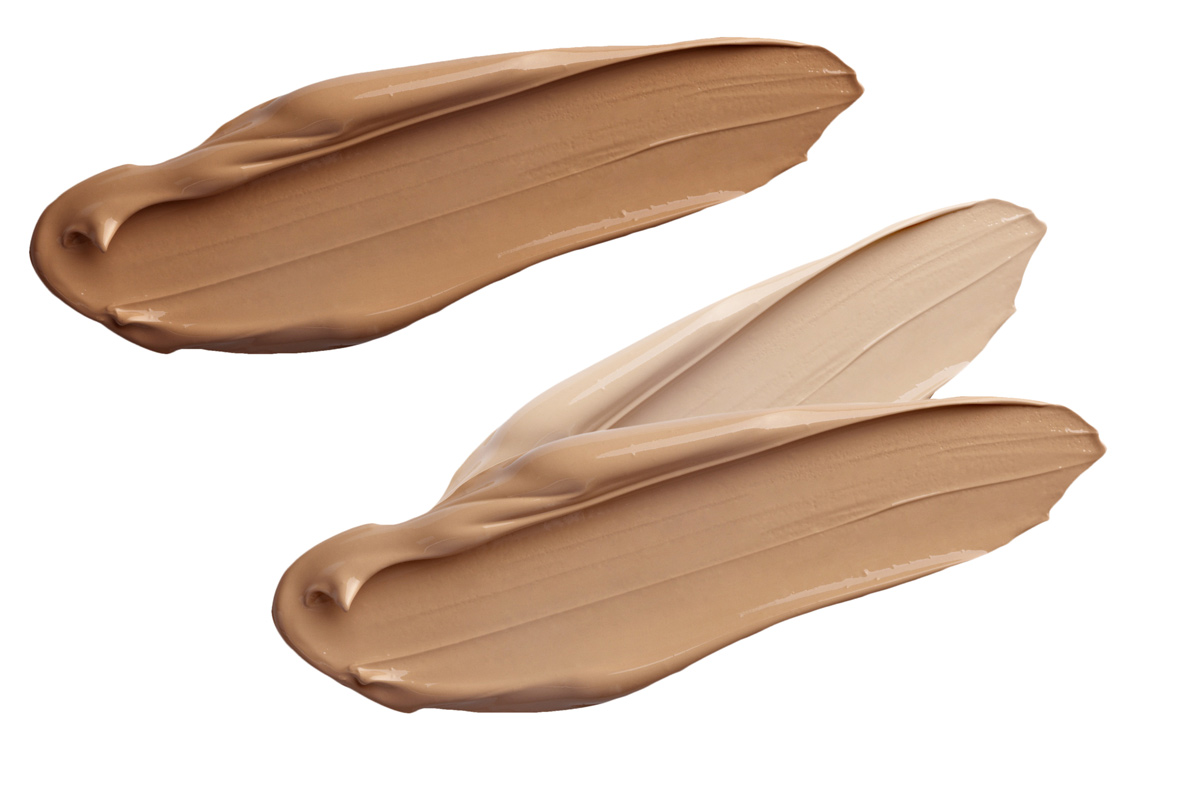
3. Product Matrix: High-Demand OEM Skincare Cream Formulations
To meet global consumer intentions—ranging from barrier restoration to anti-aging peptide therapy—Intercosmetic provides a turnkey matrix of customizable, clinically validated skincare cream formulations. Each base can be enriched with target active ingredients, custom botanical extracts, natural fragrances, or fragrance-free systems.
Peptide-Rich Biomimetic Firming Cream
Formulated with biomimetic lipid matrices and multi-peptide complexes (Matrixyl Synthe'6, Copper Tripeptide-1, and Palmitoyl Tetrapeptide-7). This cream targets extracellular matrix restructuring, boosting collagen I, III, and IV synthesis while restoring skin density and elasticity.
- Key Actives: Tri-Peptide Complex, Ceramides NP/AP/EOP, Niacinamide 3%.
- Texture profile: Rich velvet emulsion with zero greasy residue.
- Ideal Container: Airless pump jar or PCR glass container.
Ceramide & Phytosterol Barrier Repair Cream
Engineered specifically for compromised, reactive, or post-dermatological procedure skin. Utilizing a 3:1:1 physiological lipid ratio of skin-identical ceramides, plant-derived cholesterol, and free fatty acids to immediately repair the skin barrier.
- Key Actives: Phytosphingosine, Centella Asiatica Titrated Extract (TECA), Squalane.
- Texture profile: Soothing occlusive balm-in-cream.
- Speciality: Hypoallergenic, fragrance-free, alcohol-free.
Alpha-Arbutin & Tranexamic Radiance Cream
Designed to inhibit tyrosinase activity and disrupt melanogenesis pathways. Effective for treating hyperpigmentation, age spots, and post-inflammatory erythema (PIE) without causing skin irritation or photosensitivity.
- Key Actives: Alpha-Arbutin 2%, Tranexamic Acid 3%, Ascorbyl Glucoside.
- Texture profile: Lightweight hydra-gel cream with instant absorbency.
- Compliance: Hydroquinone-free, safe for long-term daily use.
Multi-Molecular Hyaluronic Acid Moisture Lock
Incorporates 5 distinct molecular weights of Hyaluronic Acid (ranging from ultra-high molecular weight for surface film-forming to micro-hydrolyzed HA for deep dermal hydration) paired with Polyglutamic Acid to prevent moisture evaporation.
- Key Actives: Hyaluronic Acid 5-D Matrix, Polyglutamic Acid, Panthenol (Vitamin B5).
- Texture profile: Dewy water-burst emulsion.
- Target Consumer: Dehydrated, dull, or climate-stressed skin types.
Halal-Certified Clean Skincare Manufacturing
As global demand for Halal skincare accelerates across Southeast Asia, the Middle East, and Western markets, brand owners require transparent, certified production. Intercosmetic’s Halal OEM Skincare Cream manufacturing process strictly adheres to MS 2200-1 guidelines.
We guarantee that all raw materials are 100% free from porcine derivatives, human-derived components, genetically modified organisms (GMOs) forbidden by Shariah law, and ethically questionable animal testing. Our manufacturing plant enforces dedicated cleaning protocols, sanitization cycles, and supply chain traceability, giving your brand absolute compliance authority when entering global Muslim-majority and clean-beauty retail sectors.
4. Future Procurement Trends in OEM Skincare Manufacturing (2025–2030)
To maintain long-term competitive advantage, procurement officers and product managers must align their manufacturing pipelines with emerging global market trends. Based on proprietary R&D data and international cosmetic trade insights, Intercosmetic highlights five critical procurement vectors transforming OEM skincare cream production over the next decade:
A. Upcycled Botanicals & Zero-Waste Active Ingredients
Sustainable sourcing has transitioned from a niche marketing angle to a mandatory retail requirement. Procurement trends show a massive surge in demand for upcycled active ingredients derived from agricultural side-streams—such as upcycled coffee fruit oil, discarded citrus peel bio-ferments, and spent sugarcane squalane. OEM cream formulations incorporating upcycled botanicals allow brands to deliver verifiable sustainability claims without sacrificing efficacy.
B. Microencapsulation & Targeted Time-Release Systems
High-potency active ingredients like Pure Retinol, L-Ascorbic Acid, and Copper Peptides often suffer from chemical degradation when exposed to light, air, and water phase changes. Modern OEM manufacturing leverages microencapsulation technology—utilizing lipid nanocarriers (LNCs) or polymeric shells—to isolate reactive ingredients within the cream matrix. This ensures enhanced chemical stability during shelf-life and controlled time-release bio-delivery upon skin application.
C. Anhydrous & Water-Reduced Emulsion Chemistry
Driven by global water conservation concerns and shipping weight optimization, brands are seeking concentrated waterless skincare creams or formulations where conventional deionized water is entirely replaced with nutrient-rich plant hydrosols, aloe vera juice, or marine algae bio-ferments. Anhydrous formulations reduce reliance on conventional synthetic preservatives while elevating the overall product active density.
D. Microbiome-Friendly & Preservative-Booster Synergies
Discerning consumers are increasingly wary of harsh synthetic preservatives that disrupt the cutaneous microbiome. OEM manufacturing strategies now focus on "self-preserving" systems and preservative boosters—such as Caprylyl Glycol, Ethylhexylglycerin, Glyceryl Caprylate, and natural levulinic acid derivatives. These ingredients provide broad-spectrum antimicrobial protection while remaining gentle on the skin's beneficial microflora.
E. AI-Driven Rheology & Custom Sensory Engineering
The sensory experience of a skincare cream—its spreadability, cushion, play-time, pickup, and skin-feel—is critical for consumer repurchase. By utilizing advanced rheometers and sensory profiling algorithms, Intercosmetic measures structural viscosity, shear-thinning indices, and yield stress to engineer exact texture matches according to client specifications.
Evolving Regulatory Landscape & Global Compliance
Launching a skincare cream line globally requires navigating intricate regional safety standards. In the United States, the implementation of MoCRA has intensified requirements for mandatory facility registration, product listing, safety substantiation, and adverse event tracking. In the European Union, the mandatory Cosmetic Product Safety Report (CPSR) compiled by a certified Safety Assessor demands rigorous stability and compatibility testing.
Intercosmetic simplifies international export by providing complete technical documentation packages—including Certificate of Analysis (COA), Safety Data Sheets (SDS compliant with GHS), Challenge Test (PET) reports according to ISO 11930, Heavy Metal & Microbiological Screening, and Certificate of Free Sale (CFS).
5. The End-to-End OEM Skincare Cream Development Workflow
Partnering with Intercosmetic Asia Pacific follows a structured, transparent six-stage workflow engineered to minimize time-to-market while ensuring absolute quality control at every phase:
- Strategic Product Briefing & Concept Alignment: We collaborate with your product team to define target target demographics, price points, packaging types, key active ingredients, texture benchmarks, and regional regulatory objectives.
- R&D Formulation & Sample Iteration: Our cosmetic chemists develop custom bench samples or refine existing benchmark bases, sending prototypes for texture, fragrance, and application feedback.
- Stability & Compatibility Testing: Formulations undergo accelerated stability testing (4°C, 25°C, 45°C, 50°C, and freeze-thaw cycles over 12 to 16 weeks), freeze-thaw challenge, and container compatibility checks to ensure no phase separation or active degradation occurs.
- Regulatory Dossier & Halal Notification: We assist in registering the finished product with local authorities (such as Malaysia NPRA, US FDA VCRP/MoCRA, or EU CPNP) and compile complete PIF documentation along with JAKIM Halal submission.
- Commercial Pilot Scale-Up & Batch Production: Utilizing vacuum emulsification homogenizers ranging from 100L to multi-ton capacities, we execute commercial batch production under strict ISO 22716 cleanroom parameters.
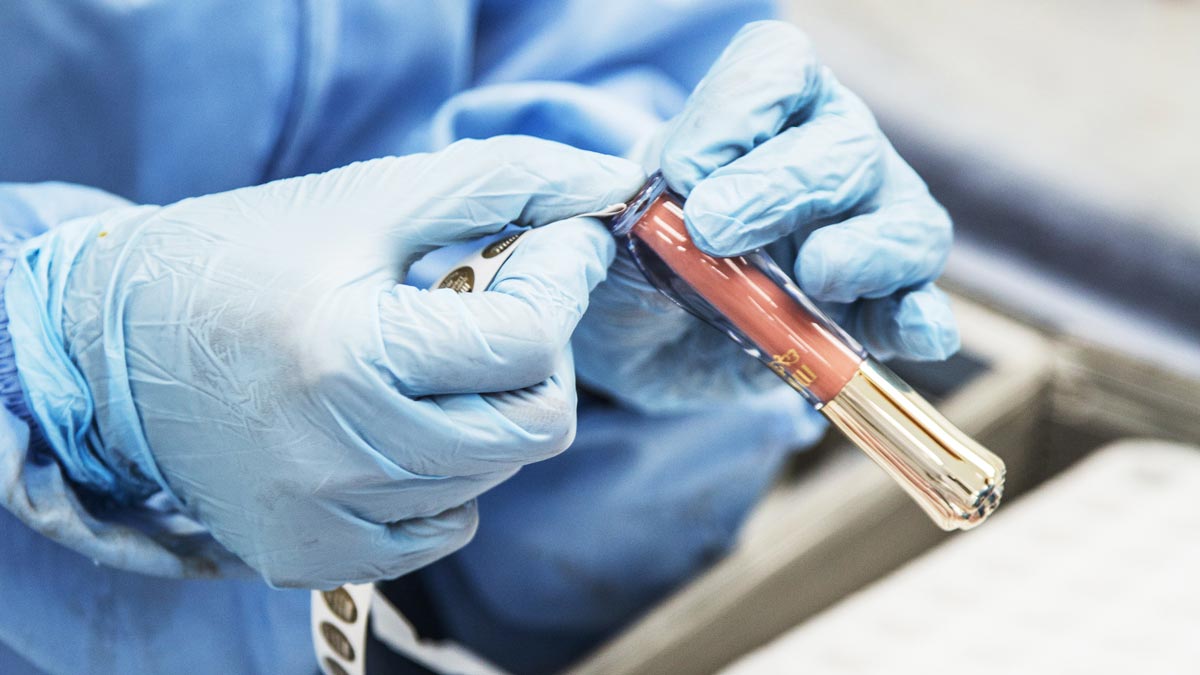
- Quality Assurance, Filling & Global Logistics: Bulk creams are tested for microbiological purity and viscosity before being processed through automated high-speed jar/tube filling lines, sealed, packed, and released for international shipment.
6. Frequently Asked Questions (FAQ) for B2B Skincare Cream Buyers
Below are detailed answers to the most common technical and operational questions posed by global procurement managers and brand founders evaluating OEM skincare cream manufacturing: