Cosmetics Insights & Industry Trends

Beauty Knowledge.
Global Standards.

Formulation & Innovation

Visionary Vogue.
Cosmetic Science.

Colour Cosmetics & Private Label

Formulation Insights.
Expert Advice.

Halal Certified — Global Standards

Pure Beauty.
Expert Manufacturing.

01 / 04
0%

What Are Halal Lip Care Products? The answer is more than a list of ingredients. Halal Lip Care Products are lip balms, oils, and treatments made to meet halal requirements for ingredients and production. For shoppers, that may mean checking the source of waxes, oils, flavors, and other additives. It can also mean looking for a credible halal certification and learning what that certifier’s standards cover. Details matter. A neat label is helpful, but it does not explain every ingredient’s origin or how a product was made.

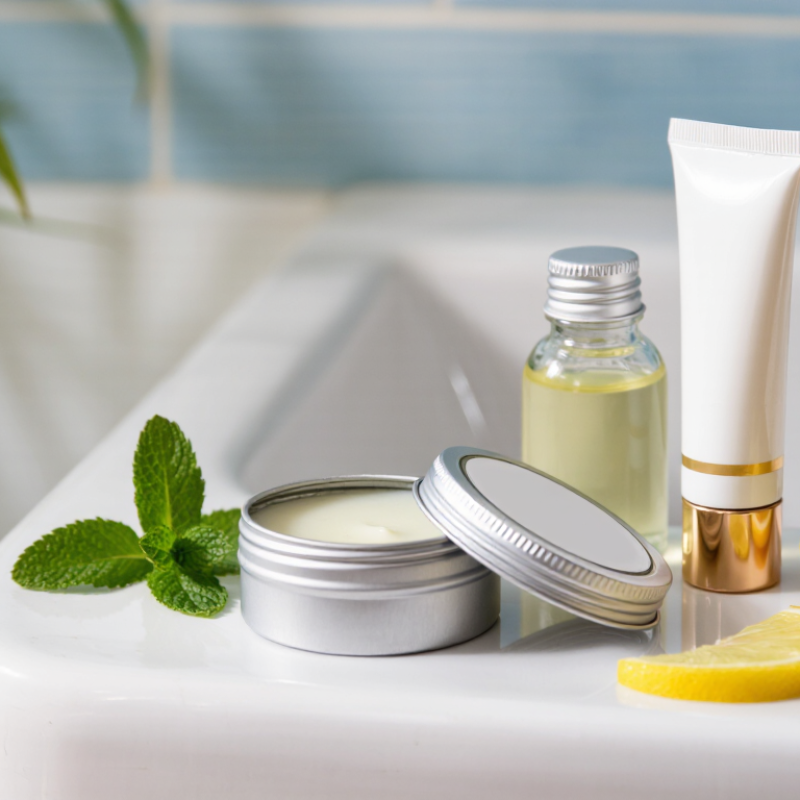
Picture a balm tin beside a sink: the ingredient list may name beeswax, plant oils, or a flavor blend, yet leave their sources unclear. Requirements and interpretations can differ among certifiers, so one product’s status should not be assumed from another’s. Check the packaging, the manufacturer’s ingredient information, and any certification details. If something remains unclear, ask the brand directly. That takes a little effort. It is worth noting that certification is not a guarantee that a product will suit sensitive lips or meet every personal preference. A patch test and advice from a qualified health professional may still be sensible, especially if you have allergies or irritation. This guide will explain common ingredients, certification, and practical ways to compare products without relying on vague claims.
What Are Halal Lip Care Products?

Definition and Core Principles of Halal Lip Care Products

Halal lip care products are formulated and made according to principles of permissibility in Islam. For a lip balm, this means checking more than its label: ingredient sources, processing aids, and manufacturing hygiene all matter. Animal-derived waxes or fats need appropriate sourcing, while plant oils and synthetic ingredients still require review. “Natural” does not automatically mean halal. Nor does a short ingredient list prove compliance.

Because lip products can be swallowed in small amounts, ingredient traceability is especially relevant. Manufacturers may also separate equipment or control cleaning to reduce contact with non-compliant materials. Certification can help verify these practices, but requirements differ among certifiers and markets. Consumers should check what a certificate actually covers. A 2023 Grand View Research report valued the global halal cosmetics market at USD 38.3 billion in 2022 and projected 12.5% annual growth from 2023 to 2030. That figure reflects a broad cosmetics category, not lip care alone. It signals commercial interest, not proof that every product meets the same standard. The details can be frustratingly untidy. A clear ingredient source and credible certification matter more than reassuring words on the package.

What Are Halal Lip Care Products?

Core principles used to assess whether a lip care product aligns with halal requirements

How to read this chart: A value of 1 means the item is a core check to verify, not that a particular product has passed it. Check ingredient sources, manufacturing controls, and relevant certification; interpretations and standards may vary.

Ingredients and Manufacturing Standards

Halal lip care depends on ingredient sourcing and manufacturing controls, not one reassuring label. Formulators review oils, waxes, pigments, flavors, and processing aids. Glycerin, fatty acids, and some colorants can come from different sources, so suppliers’ records matter. Beeswax and plant oils may be suitable, but the full formula still needs review. That matters. Vegan does not automatically mean halal, and halal does not automatically mean vegan. Interpretations and certification requirements can also vary.

Manufacturing checks should follow each ingredient from supplier to finished tube. Documented traceability, separated storage, and validated cleaning help reduce contact with materials that a certifier does not accept. ISO 22716 provides good manufacturing practice guidance for cosmetics; it does not, by itself, confirm halal status. A halal audit may also examine purchasing records, production lines, and change-control procedures. A clean-looking factory is not enough. Paperwork can miss details, too.

Market demand makes credible verification important. DinarStandard’s State of the Global Islamic Economy Report 2023/24 estimated Muslim consumer spending on halal cosmetics at 84 billion US dollars in 2022, with a projection of 129 billion by 2027. That figure describes market spending, not product safety or certification quality. Buyers should check which ingredients and production steps a certificate actually covers, rather than relying on broad claims.

Halal Certification and Labeling

Halal lip care products are assessed through more than a short ingredient list. Certification may review oils, waxes, flavorings, colorants, and processing aids. Some ingredients have several possible sources, so their names alone may not explain their origin. A certifier may request supplier records or production details. Small details matter.

A halal logo can help, but check who issued it and which product it covers. Certification standards and review processes can differ. Look for a current certificate or a searchable product listing, where available. The packaging should identify the product clearly; a logo on one item does not automatically certify an entire product range. Claims such as “natural” or “vegan” are not the same as halal certification.

Labels offer useful clues, but they may not show every detail behind production. If the status is unclear, ask the maker or certifier about specific ingredients and manufacturing controls. I still find labels easy to overread, especially when a familiar ingredient sounds straightforward. A careful answer should explain what was verified, rather than imply certainty from a symbol alone. Check the certificate’s date and scope, too.

Types and Uses of Halal Lip Care Products

What Are Halal Lip Care Products?
Types and Uses of Halal Lip Care Products

Halal lip care products are made with ingredients and processes that meet the requirements of a halal certifier. Formulas may avoid certain animal-derived ingredients or use approved alternatives. Certification criteria can vary, so check the certifier and ingredient information rather than relying on packaging claims alone. Small details matter.

Common types include balm for everyday dryness, tinted balm for light color, and lip oil for a glossy feel. Exfoliating products can loosen flaky skin, but frequent scrubbing may irritate delicate lips. Products with sun protection help shield lips outdoors. Halal status does not guarantee that a product suits sensitive skin. Grand View Research’s 2024 Lip Care Products Market report estimated the global market at USD 2.03 billion in 2023. This figure covers lip care overall, not halal products specifically.

Tips: Apply balm to clean, slightly damp lips, and reapply after eating or drinking. Patch-test new formulas if you have sensitive skin. Keep it simple. If a claim is unclear, look for details from the certifier or maker before buying.

How to Choose and Use Halal Lip Care Products

Halal lip care considers ingredient sources, processing aids, and product handling—not just a single ingredient. DinarStandard’s State of the Global Islamic Economy Report 2023/24 put Muslim consumer spending on cosmetics at US$84 billion in 2022. It projected US$129 billion by 2027. This broad figure is not specific to lip care, but it highlights the value of clear product information.

When choosing a balm, check the full ingredient list and look for certification from a credible halal certifier. Pay attention to ingredients such as glycerin, lanolin, and beeswax, whose sources may vary. A certification logo helps, but check who issued it and whether it covers the finished product. If the source of an ingredient is unclear, contact the manufacturer rather than guessing. Labels can still be confusing.

For use, apply lip care with clean, dry hands, especially when lips feel tight or flaky. Don’t share lip products. Try a small amount first if your skin is sensitive, and stop using it if irritation appears. Follow the product’s storage and expiry guidance; a balm left in a hot car may change texture. Small habits matter.

What Are Halal Lip Care Products? – How to Choose and Use Halal Lip Care Products
Topic What to Check Helpful Guidance Practical Use
Meaning of halal Whether ingredients and manufacturing processes meet the requirements of the relevant halal standard. Requirements and certification systems can differ by country and certifying body. A product described as halal is not automatically certified. For assurance, look for a current certification mark and verify it with the certifier when possible.
Ingredient list Check the full ingredient list, including oils, waxes, emollients, flavors, and processing aids where disclosed. Ingredient names alone may not always reveal the source. Some materials can be plant-derived, animal-derived, or made synthetically. If an ingredient’s source is unclear, ask the manufacturer or certifier rather than assuming it is permissible or prohibited.
Animal-derived ingredients Examples that may need source verification include beeswax, lanolin, collagen, and some fatty-acid derivatives. Acceptability can depend on the ingredient’s source, processing, and the standard being followed. Beeswax is an animal-derived material, but rulings and certification approaches may vary. Choose a product with clear sourcing or certification if you want to avoid uncertainty.
Alcohol-related ingredients Review ingredient names and the product’s certification information if alcohol is a concern. Different types and uses of alcohol may be treated differently under halal standards; the word “alcohol” alone does not settle the question. Consult the relevant certifier or a trusted religious authority for guidance consistent with your practice.
Certification and claims Look for the certifier’s name or mark, product coverage, and certification validity where this information is available. “Natural,” “vegan,” and “cruelty-free” are not the same as halal certification. Vegan products avoid animal-derived ingredients but may still require review of other ingredients and processes. Use certification as a helpful reference, and check that it applies to the specific product rather than only to a general range.
Product hygiene Check the seal, packaging condition, expiry date, and any period-after-opening symbol. Clean packaging and proper storage help reduce contamination and preserve product quality; they do not determine halal status. Apply with clean hands or a clean applicator, and do not share lip products.
How to apply Follow the product directions and use only as intended. For routine care, apply a thin layer to clean, dry lips. Reapply as directed, such as after eating or drinking if the product has worn off. For daytime outdoor use, consider a lip product with broad-spectrum sun protection and follow its label directions.
Sensitivity and safety Review the ingredient list for known personal sensitivities, such as fragrance or flavoring ingredients. “Halal” describes religious compliance under a given standard; it does not guarantee that a product will suit every skin type or prevent irritation. Stop using the product if irritation occurs. Seek medical advice for persistent symptoms or a suspected allergic reaction.
Storage and replacement Follow the storage instructions and discard products that change noticeably in smell, texture, or appearance. Heat and direct sunlight can affect some lip-care formulas. Packaging symbols and local labeling rules may vary. Keep the product capped and store it as directed. Replace it according to its expiry or period-after-opening guidance.

FAQS

What makes a lip care product halal?

Its ingredients and production processes meet a halal certifier’s requirements. Small details matter.

Does a halal logo certify every product from a maker?

Not necessarily. Check the certificate’s date, issuer, and scope. It may cover only one finished product.

Which ingredients may need extra checking?

Glycerin, lanolin, and beeswax can come from different sources. Ask the maker or certifier if the source is unclear.

Are “natural” or “vegan” labels the same as halal certification?

No. These claims do not confirm halal status or explain every production detail.

What types of halal lip care products are available?

Common options include everyday balm, tinted balm, lip oil, exfoliators, and products with sun protection. Choose based on your needs.

How should I use lip balm?

Apply it to clean, slightly damp lips. Reapply after eating or drinking. Keep hands clean.

What should someone with sensitive lips consider?

Try a small amount first and stop if irritation appears. Halal status does not guarantee skin compatibility.

How can I avoid problems with an old or overheated balm?

Follow its storage and expiry guidance. A balm left in a hot car may change texture. I still find labels easy to overread.

Conclusion

Halal Lip Care Products are lip balms, oils, and other treatments made in accordance with Islamic principles. Their ingredients are selected to avoid prohibited or questionable substances, while production practices are designed to prevent contamination and maintain product integrity. Depending on the product, suitable ingredients may include plant oils, waxes, and moisturizers. Halal certification and clear labeling can help consumers understand how ingredients are sourced and how products are manufactured, though certification standards may vary.

These products can be used to soften dry lips, provide everyday moisture, or offer additional care such as sun protection. When choosing Halal Lip Care Products, check the ingredient list, certification details, and intended use, and consider your skin’s sensitivities and personal preferences. Apply as directed, especially when a product includes active ingredients, and discontinue use if irritation occurs. This makes it easier to find lip care that fits both your routine and your values.

Evelyn

Evelyn

Evelyn is a dedicated marketing professional with a deep understanding of the company’s products, customers, and evolving market needs. Through clear communication and thoughtful storytelling, Evelyn helps translate complex product features into practical value for businesses and everyday users.......